
Can Gum Disease Progress Without Pain? Warning Signs and Prevention
Published: 2026-11-19 · Updated: 2026-11-22 · Medically reviewed by Katsuaki Takeuchi, DDS (Director; Board-certified oral surgeon, Japanese Society of Oral and Maxillofacial Surgeons)
What you will learn
- Why gum disease tends to progress without pain
- Easy-to-miss signs of gum disease (checklist)
- Checkups and treatment at the clinic, and tips for daily care
"My teeth don't hurt, so I'm fine." "I have no particular symptoms, so I haven't been to the dentist." Many people feel this way.
However, gum disease causes almost no symptoms such as pain in its early stages, and it can progress without you noticing. In this article we introduce the easy-to-miss signs of gum disease and what you can do to stop it from getting worse.
What is gum disease, and why does it progress without pain?
Gum disease (periodontal disease) is a condition in which bacteria in plaque that collects in the gap between the teeth and gums (the periodontal pocket) inflame the gums, and over time the bone that supports the teeth is gradually lost.
Because the inflammation progresses slowly, it rarely causes strong pain. By the time you notice pain or a loose tooth, the disease may already be fairly advanced.
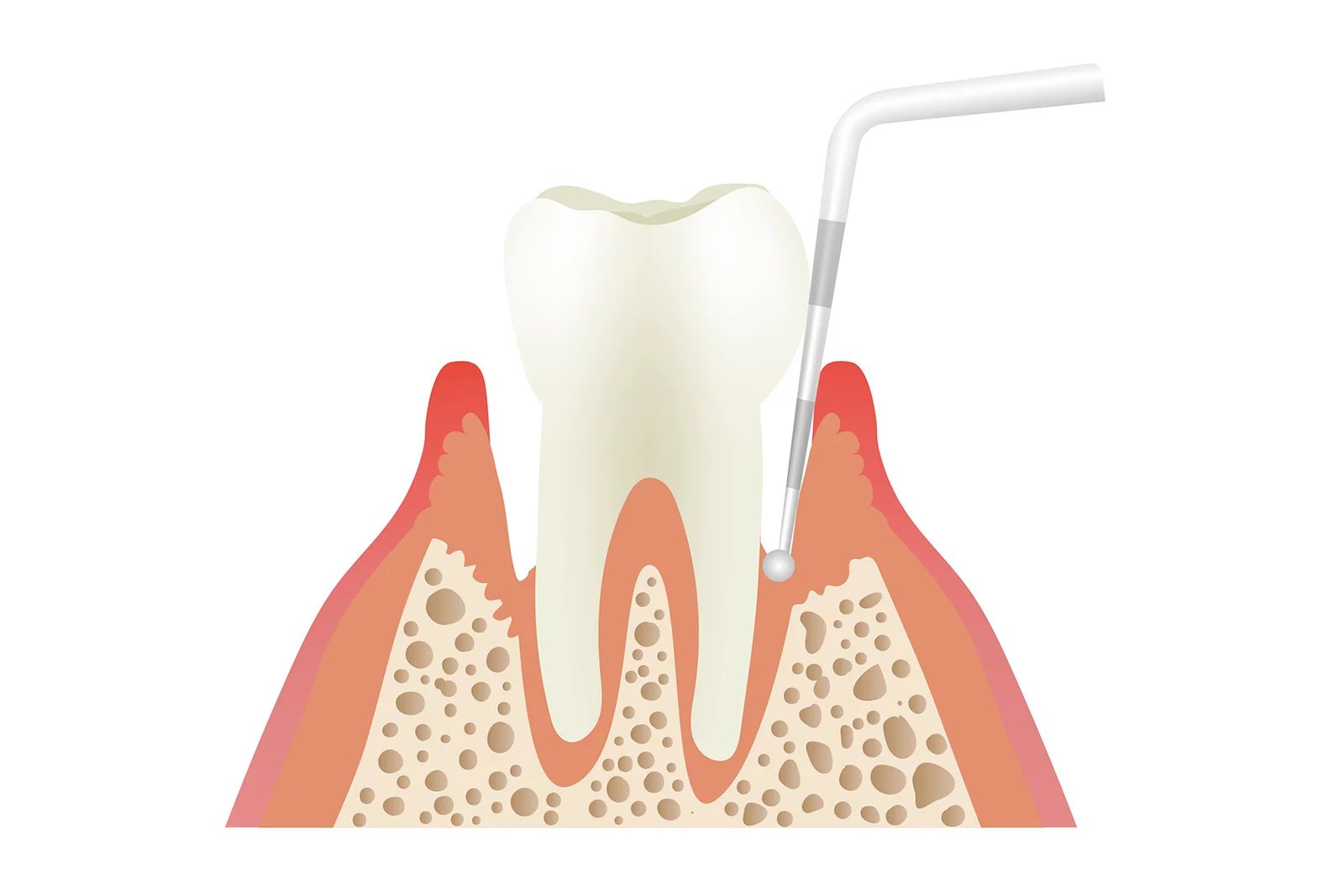
Do you have any of these? Signs of gum disease
- Your gums bleed when you brush
- Your gums are red and swollen, or feel soft and puffy
- Your mouth feels sticky when you wake up
- You worry about bad breath, or someone has mentioned it
- Your gums have receded and your teeth look longer
- Food gets stuck between your teeth more easily
- Your teeth feel raised when you bite something hard
If even one of these applies to you, gum disease may have started. Bleeding gums in particular is an early sign that many people overlook.
Stopping brushing because your gums bleed does more harm than good. Use a soft toothbrush and gently brush along the line where the teeth meet the gums.
How does gum disease progress?
Gingivitis: inflammation of the gums only
At this stage the gums are red and swollen and bleed easily when you brush. The bone has not yet been affected, so removing tartar and careful daily brushing often improve the condition of the gums.
Mild to moderate periodontitis: bone loss begins
The inflammation spreads deeper into the gums, the periodontal pockets deepen, and the bone that supports the teeth gradually starts to be lost. Bad breath and the feeling that the gums are receding become more common. Even at this stage there is usually little pain.
Severe periodontitis: teeth become loose
A large amount of bone has been lost and the teeth become loose. Pus may come from the gums, and biting may hurt. At this stage, treatment to keep the teeth can become difficult.
What happens if gum disease is left untreated?
As gum disease progresses, the bone that supports the teeth (alveolar bone) is gradually lost. If it advances further, the teeth become loose and hard to chew with, and they may eventually be lost. Gum disease is one of the main reasons adults lose teeth.
Links between gum disease and general health conditions such as diabetes have also been pointed out. Looking after your mouth also helps look after your overall health.
Checkups and treatment for gum disease at the clinic
It is hard to tell for yourself how far gum disease has progressed. At the clinic, we measure the depth of the periodontal pockets and check the bone with X-rays and CT scans to find out how advanced it is.
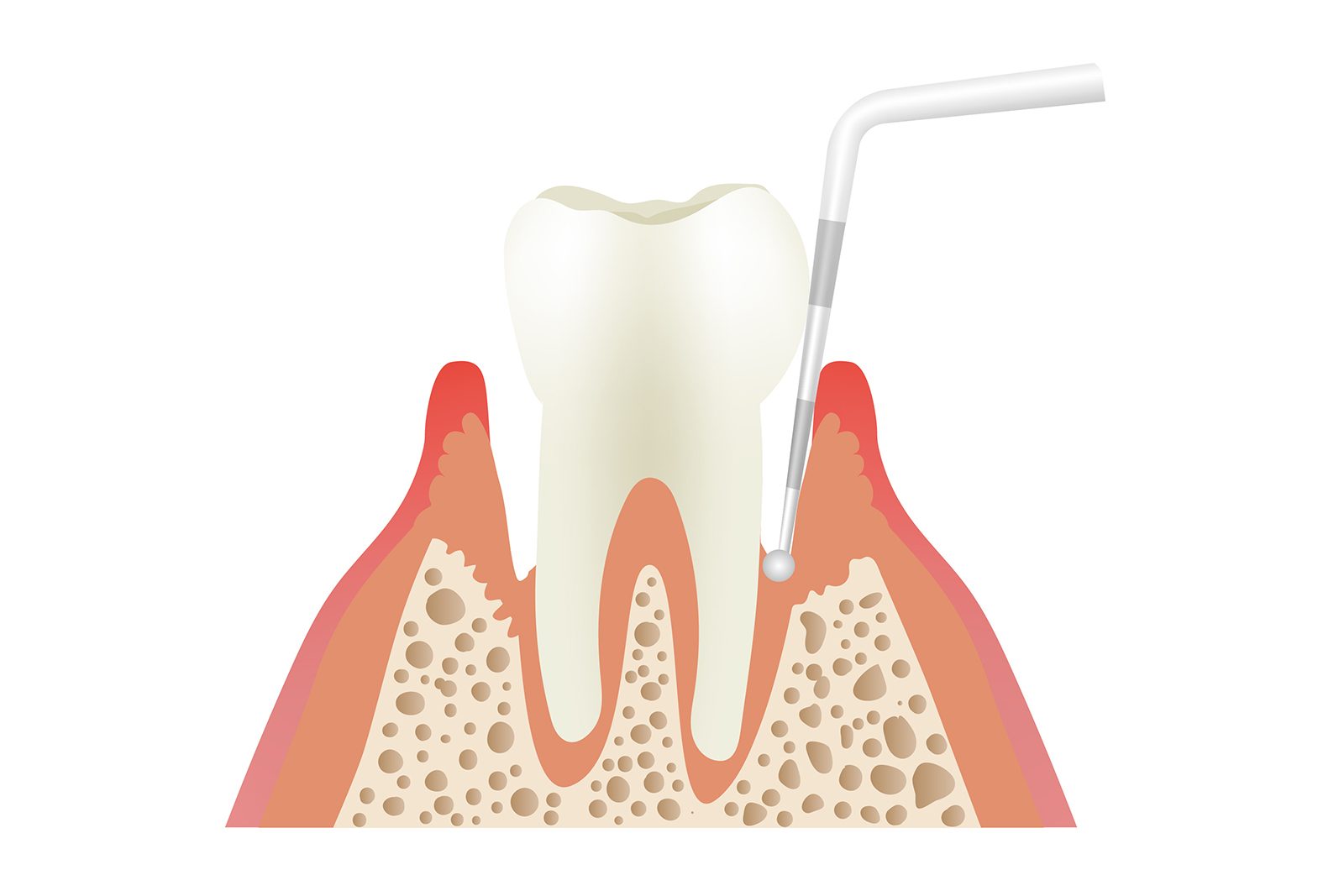
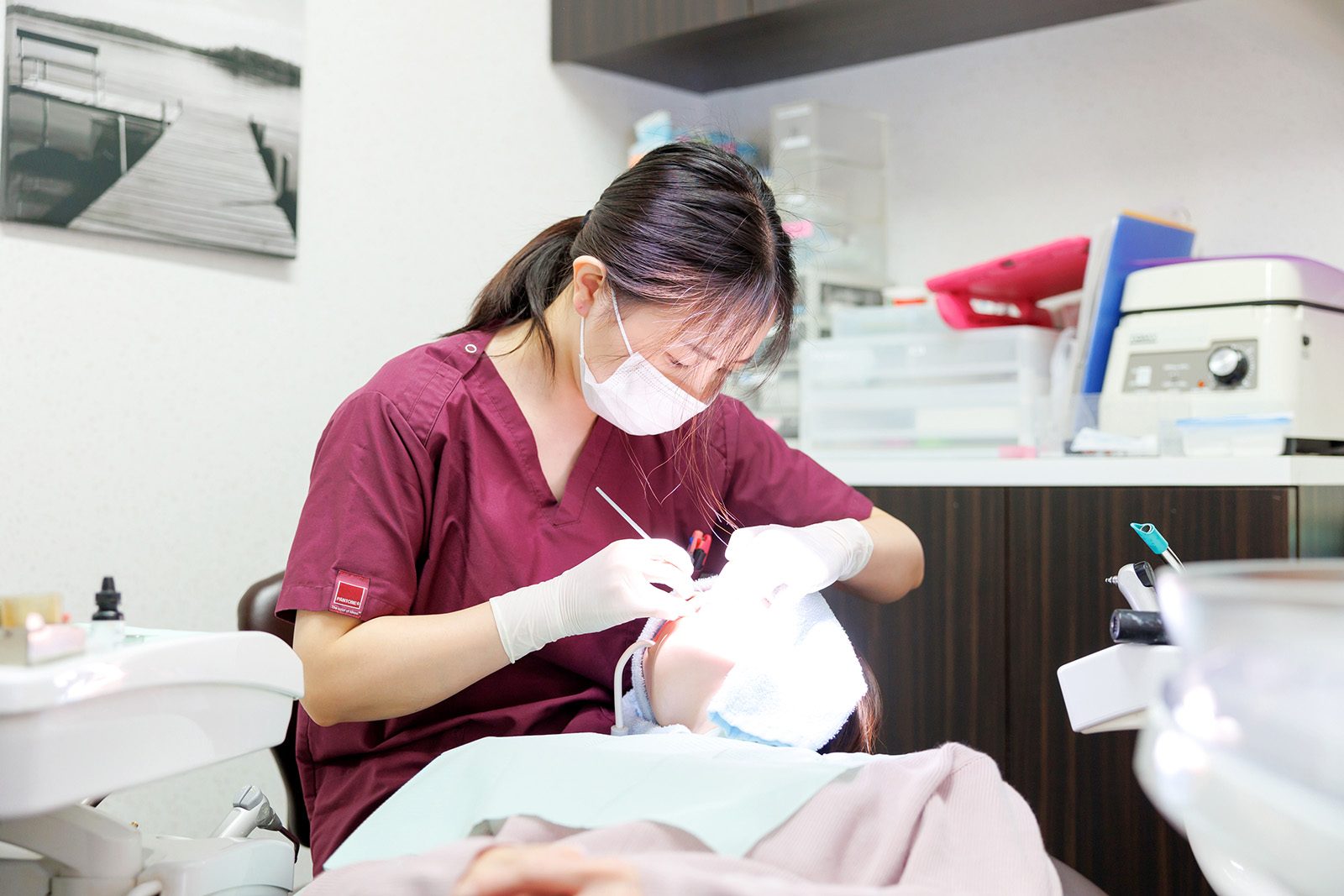
The basis of treatment is removing plaque and tartar. Tartar deep below the gum line is also removed with special instruments. For advanced gum disease, gum surgery or treatment to encourage bone regeneration (periodontal regenerative therapy) may be considered.
At ESCA Dental & Orthodontic Clinic, patients who wish can also have the same dental hygienist each visit (assigned hygienist system).
Things you can do every day to prevent gum disease
- Brush each tooth carefully, paying attention to the line where the teeth meet the gums
- Clean between your teeth with dental floss or interdental brushes
- Cut down on smoking (it reduces blood flow to the gums and slows healing)
- Chew your food well to keep saliva working
- Have a checkup and cleaning about every 3 to 6 months
Summary: before it hurts is the time for a checkup
By the time gum disease causes pain, it has often already progressed. Now, while you have no symptoms, is a good time to check the condition of your mouth with a regular checkup.
If you are concerned about bleeding or swollen gums or bad breath, please feel free to consult us.
ESCA Dental & Orthodontic Clinic is in the ESCA underground shopping mall, a 1-minute walk from the Shinkansen exit of JR Nagoya Station. Appointments by phone (+81-52-452-1255), online booking (Japanese) or LINE.
Main risks and side effects
- After tartar removal, teeth may be sensitive for a while, and as the gums tighten the gaps between teeth may become more noticeable
- Gum surgery and regenerative therapy can cause swelling, pain and bleeding, and results vary from person to person
Frequently asked questions
Q. Are bleeding gums caused by brushing too much?
Brushing too hard can injure the gums, but bleeding is usually caused by gum inflammation (gingivitis or periodontitis). If the bleeding continues, have your gums checked at a dental clinic.
Q. Can gum disease be cured?
Early gingivitis often improves with tartar removal and daily care. Bone that has been lost is hard to restore, so it is important to start treatment before the disease advances. After treatment, regular maintenance helps prevent it from coming back.
Q. Is gum disease treatment covered by insurance?
Basic treatment such as gum examinations and tartar removal is covered by Japanese public health insurance. Some regenerative therapies (such as Emdogain therapy) are self-paid (not covered by insurance). We will explain the details after your examination.
Medical review
This article was reviewed by Katsuaki Takeuchi, DDS (Director; Board-certified oral surgeon, Japanese Society of Oral and Maxillofacial Surgeons), ESCA Dental & Orthodontic Clinic. It provides general information; please consult a dentist about your own condition.
Appointments and questions
Mon–Fri 10:00–13:00 / 14:30–19:30 · Sat & Sun 10:00–13:00 / 14:00–18:00 (open every other Sunday) · Closed on national holidays. Our staff mainly speak Japanese.