
Partial Orthodontics: What It Can and Cannot Do
Published: 2022-02-24 · Updated: 2026-11-22 · Medically reviewed by Katsuaki Takeuchi, DDS (Director; Board-certified oral surgeon, Japanese Society of Oral and Maxillofacial Surgeons)
What you will learn
- What partial orthodontics can and cannot fix
- Which alignments suit partial orthodontics, and which do not
- Types of appliance, and how it compares with full orthodontics and ceramic restorations
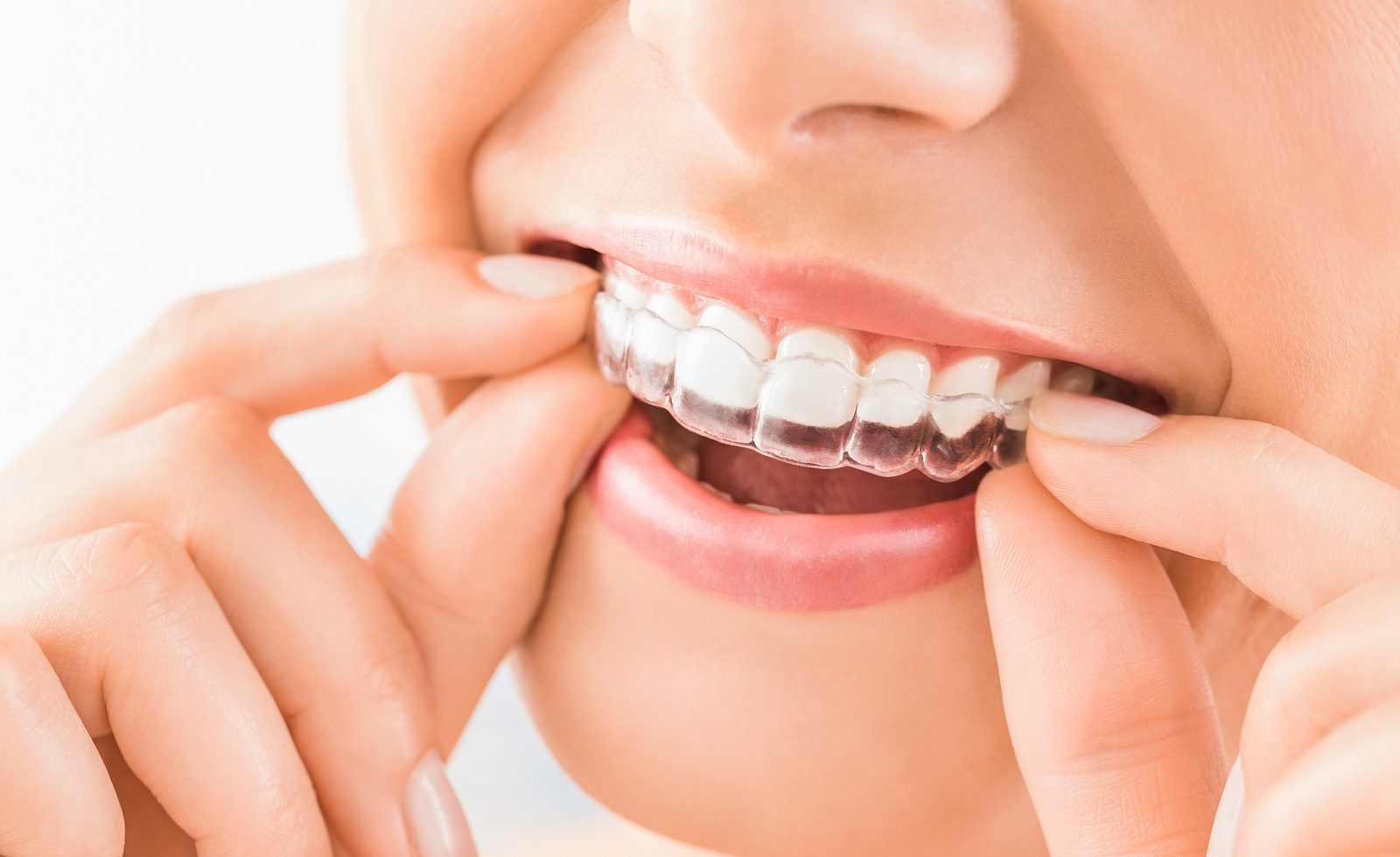
Partial orthodontics is often chosen by people who say, "I only want to fix my crooked front teeth" or "I am hesitant because full treatment takes so long." It often means a shorter period and less burden from the appliance, but it is not a method that can be used for every alignment.
If you choose based only on cost or time, you may find that "it did not turn out as I expected" or "I had to redo it later with full treatment." In this article we explain what partial orthodontics can and cannot do, and which alignments it suits.
What is partial orthodontics?
Unlike full orthodontics, which moves all the teeth to correct the bite from the front teeth to the back teeth, partial orthodontics moves only some teeth, such as the front teeth, to improve the areas whose appearance bothers you. It mainly moves about six front teeth in each of the upper and lower jaws. You can choose from appliances such as braces with brackets on the front of the teeth, appliances on the back of the teeth, and clear aligner-type appliances. Treatment usually takes from a few months to about a year, depending on the alignment.
Alignments that suit partial orthodontics
- There is no problem with the bite of the back teeth, and only mild crowding of the front teeth bothers you
- There are small gaps between the front teeth
- The front teeth have shifted back slightly after previous orthodontic treatment
In cases like these, partial orthodontics may be able to solve your concerns about appearance. Because the teeth are moved only a little, the time and cost are often lower than with full treatment, and it is easier to choose a less noticeable appliance.
What partial orthodontics cannot do, and its drawbacks
It cannot correct the bite
The most important point to note about partial orthodontics is that it cannot correct the bite, including the back teeth. If there is a problem with the bite itself, such as protruding front teeth, an underbite or a deep bite, or if you have jaw joint problems or gum disease, partial orthodontics leaves the underlying problem in place.
There are limits to the result
In partial orthodontics, a method of very slightly reducing the sides of the teeth (IPR) is often used to create space to align them. Compared with full treatment, which creates more space by widening the dental arch or extracting teeth, the amount the teeth can be moved is limited, and a protruding mouth cannot be moved back much. If teeth with severe crowding are forced into line, the front teeth may end up pushed forward.
If you are not satisfied with the result and later have full treatment, it can end up costing more time and money. Before starting, it is important to check with X-rays and dental impressions whether your case is within what partial orthodontics can treat. Even with partial orthodontics, you need to be careful about cavities from plaque left around the appliance and teeth shifting back after treatment, just as with full treatment.
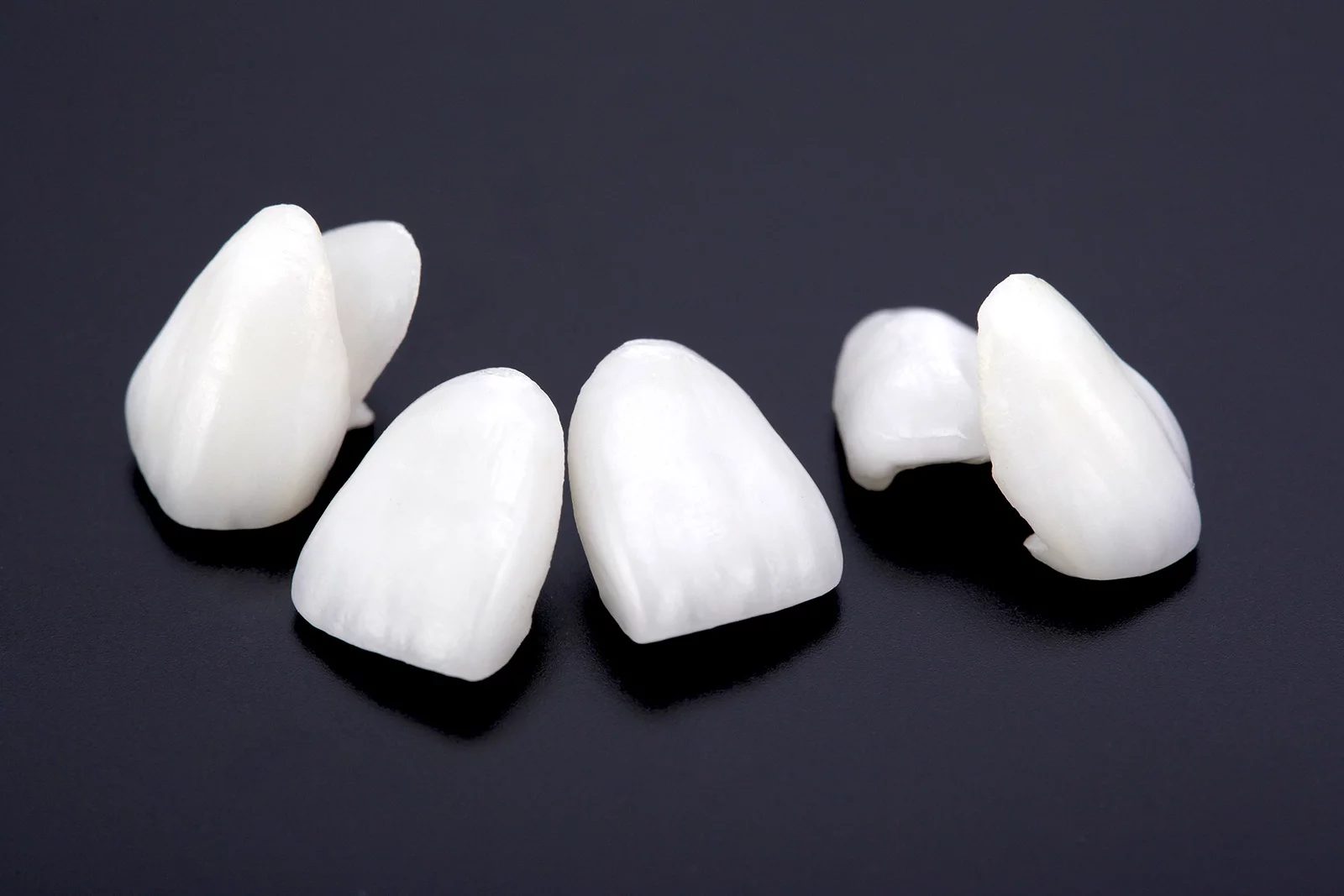
Comparing it with ceramic restorations and bridges
Instead of moving the teeth, there is also a method sometimes called "ceramic orthodontics", in which the teeth are reshaped and covered with ceramic crowns to adjust their shape and angle. It takes less time, but healthy teeth need to be reshaped, and depending on the angle of the teeth, the nerve may be removed. It may suit people with teeth that are discolored after root canal treatment or that differ in shape from left to right. Another option is extracting an overlapping tooth and closing the space with a bridge, but this requires reshaping the teeth on both sides, and it may not be possible depending on the bite. Compare the strengths and weaknesses of each before choosing.
Summary
Partial orthodontics suits people with no bite problems who are bothered by mild crowding or gaps in the front teeth. However, it cannot correct the bite, and there are limits to the result. Even if you would like partial orthodontics, we first check your bite and jaw, and also explain how it compares with full orthodontics and ceramic restorations.
ESCA Dental & Orthodontic Clinic is in the ESCA underground shopping mall, a 1-minute walk from the Shinkansen exit of JR Nagoya Station. Appointments by phone (+81-52-452-1255), online booking (Japanese) or LINE.
Main risks and side effects
- During orthodontic treatment, you may feel pain or discomfort as the teeth move
- If brushing is not thorough, the risk of cavities and gum disease increases
- The tooth roots may become shorter (root resorption) or the gums may recede. After treatment, teeth may move back if the retainer is not used
- Reducing the sides of the teeth (IPR) can cause temporary sensitivity. Ceramic restorations require healthy teeth to be reshaped, and the nerve may be removed
Orthodontic treatment is self-paid (not covered by insurance). The cost depends on the appliance and treatment period, so we explain it after a detailed examination (see our fee table for standard fees).
Frequently asked questions
Q. How long does partial orthodontics take?
It depends on the alignment, but a few months to about a year is typical. The more the teeth need to move, the longer it takes.
Q. Do I need a retainer after partial orthodontics?
Yes. Even with partial orthodontics, teeth that have been moved tend to shift back, so a retainer is used to keep the alignment stable.
Q. Can I find out whether partial orthodontics will work for my teeth?
At the consultation, we check your bite with an examination of your mouth and X-rays, and explain whether partial orthodontics is possible.
Medical review
This article was reviewed by Katsuaki Takeuchi, DDS (Director; Board-certified oral surgeon, Japanese Society of Oral and Maxillofacial Surgeons), ESCA Dental & Orthodontic Clinic. It provides general information; please consult a dentist about your own condition.
Appointments and questions
Mon–Fri 10:00–13:00 / 14:30–19:30 · Sat & Sun 10:00–13:00 / 14:00–18:00 (open every other Sunday) · Closed on national holidays. Our staff mainly speak Japanese.