
Types of Malocclusion: Crowding, Overbite, Underbite and More
Published: 2023-01-23 · Updated: 2026-11-22 · Medically reviewed by Katsuaki Takeuchi, DDS (Director; Board-certified oral surgeon, Japanese Society of Oral and Maxillofacial Surgeons)
What you will learn
- Six common types of malocclusion and their features
- Main causes of poor alignment (heredity, habits, diet and more)
- What can happen if it is left untreated, and when to consult
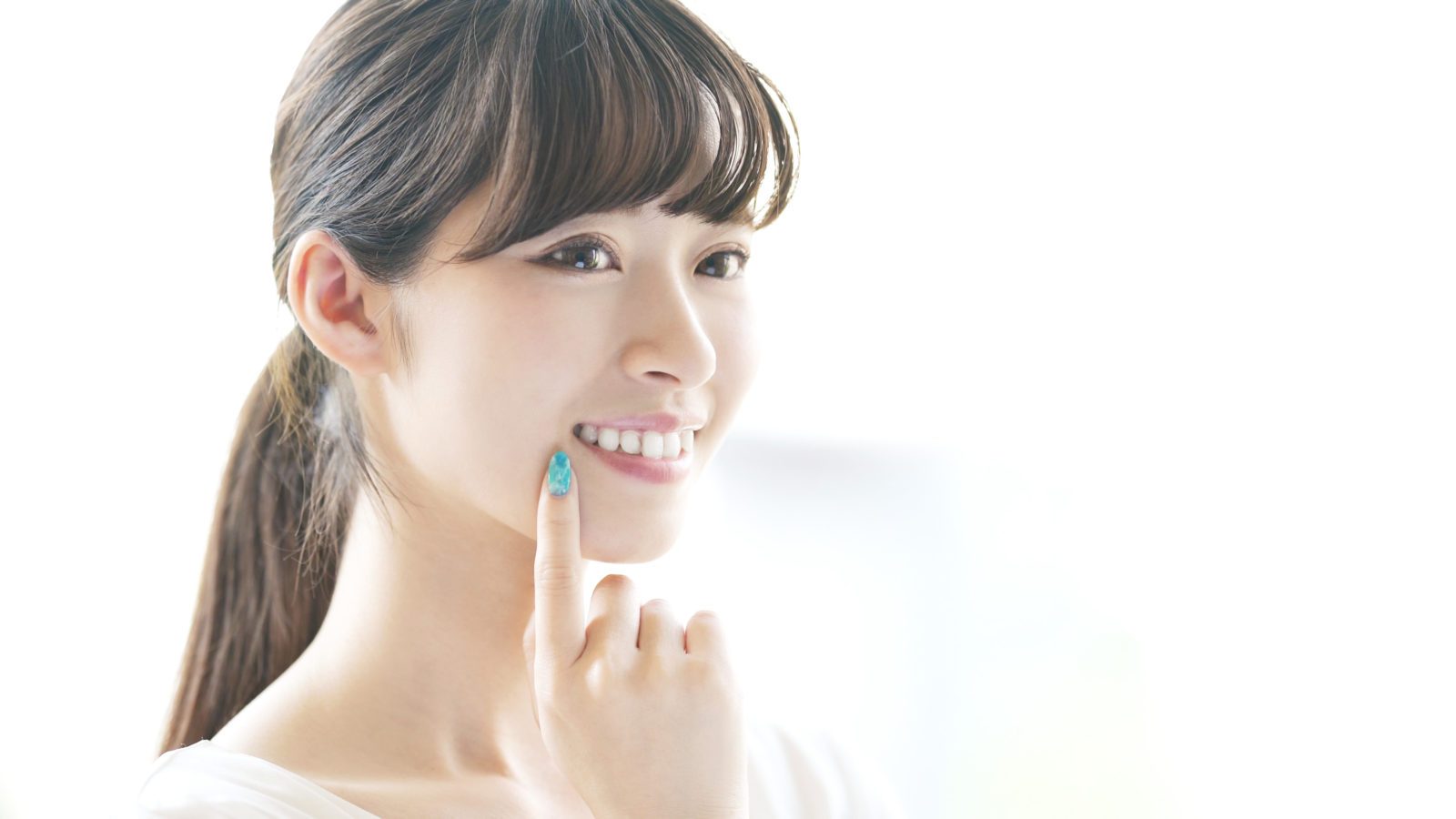
In dentistry, poor alignment of the teeth or bite is called "malocclusion". Besides affecting appearance, it can lead to cavities, gum disease, difficulty chewing and difficulty speaking clearly.
At our consultations, we often hear concerns such as "my teeth are crooked", "I want my mouth to look less protruding" and "my front teeth stick out". In this article we introduce the common types of malocclusion and what can happen if they are left untreated.
Six common types of malocclusion
1. Crowding: crooked teeth
The teeth overlap or are twisted and line up unevenly. Protruding canines (known in Japan as yaeba) are also included in this type. Because some areas are hard to reach with a toothbrush, cavities and gum disease become more likely, and crowding may worsen with age.
2. Maxillary protrusion: protruding front teeth
The upper front teeth or upper jaw stick out. Many people are concerned about the appearance of this type, but it can also make it hard to bite through food with the front teeth or to close the lips. Because the front teeth cannot bite properly, more strain tends to fall on the back teeth. A bulging mouth area, which many people in Japan worry about, is also often related to this type.
3. Mandibular protrusion: underbite
The lower front teeth sit in front of the upper front teeth; this is also called a reverse bite (anterior crossbite). The load of the bite tends to be uneven, and it is said to make tooth loss more likely in the future. If the jawbones are greatly misaligned, treatment combining orthodontics and jaw surgery may be considered.
4. Deep bite
When you bite, the upper front teeth deeply cover the lower front teeth. Problems can include strain on the jaw joints and crowns breaking more easily.
5. Open bite: front teeth that do not meet
Even when the back teeth are together, there is a gap between the front teeth and they do not close. Problems include being unable to bite through food with the front teeth, a tendency toward mouth breathing and a dry mouth, and strain concentrating on the back teeth. A habit of pushing the tongue forward may also be involved.
6. Spacing: gaps between teeth
There are gaps between the teeth. A gap only between the two upper front teeth is called a midline diastema. Air can escape through the gaps, making some sounds, such as "s" sounds, harder to pronounce.

Main causes of poor alignment
The size of the jaws and teeth is partly inherited from parents. Other factors that affect alignment include habits such as thumb-sucking, resting the chin on the hand, pushing the teeth with the tongue and mouth breathing; underdevelopment of the jaws because of a diet with many soft foods; and early loss of baby teeth due to cavities or injury. Even in adulthood, if gum disease causes the bone supporting the teeth to shrink, the teeth can move and gaps or crowding can appear.
What can happen if it is left untreated
If malocclusion is left as it is, plaque builds up in areas that are hard to clean, making cavities and gum disease more likely. A poor bite can also make it hard to chew food well, lead to a habit of chewing on one side only, and cause certain teeth to chip or wear down. Strain on the jaw joints can cause jaw pain or difficulty opening the mouth.
Some people also feel emotional strain, such as not being able to smile in front of others because they are self-conscious about their teeth.
Summary
There are several types of malocclusion, such as crowding, protruding front teeth, underbite, deep bite, open bite and gaps, and often more than one type occurs together. Which type you have and which treatment suits you sometimes cannot be known without an examination. If anything concerns you, both children and adults are welcome to consult us.
ESCA Dental & Orthodontic Clinic is in the ESCA underground shopping mall, a 1-minute walk from the Shinkansen exit of JR Nagoya Station. Appointments by phone (+81-52-452-1255), online booking (Japanese) or LINE.
Main risks and side effects
- During orthodontic treatment, you may feel pain or discomfort as the teeth move
- If brushing is not thorough, the risk of cavities and gum disease increases
- The tooth roots may become shorter (root resorption) or the gums may recede. After treatment, teeth may move back if the retainer is not used
Orthodontic treatment is self-paid (not covered by insurance). The cost depends on the appliance and treatment period, so we explain it after a detailed examination (see our fee table for standard fees).
Frequently asked questions
Q. Can malocclusion be treated in adulthood?
Yes. If the gums and bone are healthy, adults can also have their teeth moved with orthodontics. If there is gum disease, it is treated first before starting.
Q. When should I consult about my child's alignment?
If you are concerned about an underbite or habits such as thumb-sucking, we recommend consulting early. Around age 6 to 8, when the front teeth are replaced, is a good time to have them checked once.
Q. I do not know which type my alignment is.
Often several types overlap, so checking with X-rays and other tests is the reliable way. We will explain which type you have at the consultation.
Medical review
This article was reviewed by Katsuaki Takeuchi, DDS (Director; Board-certified oral surgeon, Japanese Society of Oral and Maxillofacial Surgeons), ESCA Dental & Orthodontic Clinic. It provides general information; please consult a dentist about your own condition.
Appointments and questions
Mon–Fri 10:00–13:00 / 14:30–19:30 · Sat & Sun 10:00–13:00 / 14:00–18:00 (open every other Sunday) · Closed on national holidays. Our staff mainly speak Japanese.