
Oral Care in a Disaster: Brushing with Little Water and What to Stock
Published: 2024-09-24 · Updated: 2026-11-22 · Medically reviewed by Katsuaki Takeuchi, DDS (Director; Board-certified oral surgeon, Japanese Society of Oral and Maxillofacial Surgeons)
What you will learn
- Why oral care matters during a disaster
- How to care for your mouth when there is enough water, little water or no water
- Points for denture wearers, and supplies to prepare in advance
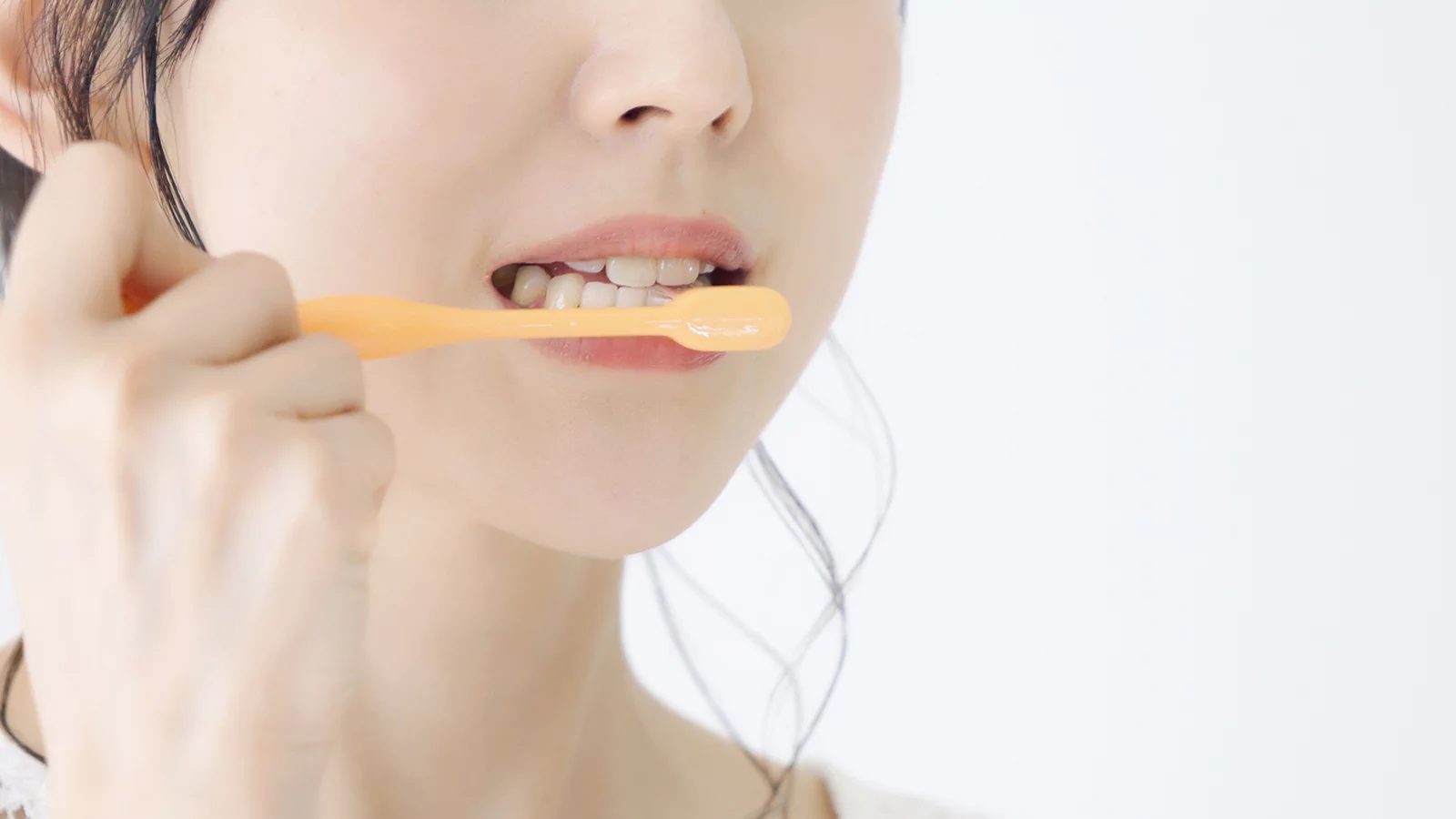
Natural disasters such as earthquakes and heavy rain can strike at any time. In Japan, people are also being urged to prepare for a possible Nankai Trough earthquake. When a disaster strikes, electricity and water may stop, and ordinary life, such as living in an evacuation shelter, becomes difficult.
At such times, oral care is often put off. You may think "brushing can wait until things settle down," but in fact oral care is especially important during a disaster. In this article, we explain why oral care matters in a disaster, how to care for your mouth with little water, and what supplies to prepare.
Why oral care matters during a disaster
During a disaster, changes in your environment, stress and changes in diet take a greater toll on the body than you might think. This also has a big effect on the mouth.
Lowered immunity
Unsanitary conditions, poor nutrition, lack of sleep and stress lower the body's resistance. When resistance falls, bacteria multiply more easily in the mouth, causing various problems such as swollen gums and mouth ulcers.
Dry mouth from water shortages
When the water supply is cut, not only brushing and rinsing but also drinking enough becomes difficult. Without enough fluids, saliva decreases and the mouth becomes dry. Saliva washes the mouth and keeps it clean (self-cleansing action), but when saliva decreases, this action weakens and bacteria multiply more easily.
Changes in diet
In evacuation life, meals tend to be soft and high in carbohydrates, such as bread, rice balls, instant noodles and sweet buns. An unbalanced diet upsets nutritional balance and lowers resistance in the mouth as well. Sugar also produces plaque, which causes tooth decay, so the risk of decay increases.
What happens if oral care is neglected?
When debris builds up in the mouth, it not only worsens tooth decay and gum disease but can also affect your general health. A particular concern is aspiration pneumonia. This is a disease in which bacteria from the mouth enter the airway together with saliva or food and cause inflammation in the lungs, and it is said to occur easily in older people and people in weakened condition. After past major earthquakes in Japan, many people were reported to have developed pneumonia while living as evacuees, and it is known that oral care helps prevent pneumonia. Oral health is also said to be related to heart and blood vessel disease, diabetes and other conditions.

Oral care in a disaster, by situation
When there is enough water
Try to brush as usual. Use dental floss and interdental brushes too, to remove debris between the teeth. After meals, rinse your mouth whenever possible.
When water is limited
To brush with little water, prepare about 30 to 50 ml of water in a cup and brush with a moistened toothbrush. Wipe debris off the toothbrush with a tissue or similar as you brush, and finally rinse your mouth with the remaining water, dividing it into several rinses. Using only a little toothpaste means less water is needed for rinsing. A cap that attaches to a plastic bottle and lets water out a little at a time is handy.
When there is no water
When you cannot use a toothbrush, wrap an oral care wet wipe, gauze or tissue around your finger and wipe debris off the teeth, gums and tongue. Another method is to put oral care gel on your finger or toothbrush. Drinking tea after meals, chewing food well and doing salivary gland massage to stimulate saliva also help wash away debris in the mouth.
Points for denture wearers
For people who wear dentures, disaster preparation is especially important. Without dentures, you cannot chew food and it becomes difficult to get enough nutrition. When evacuating, take your dentures with you even if they are slightly damaged. At night, take them out, put them in a case and write your name on it so that they are less likely to get lost. When water is limited, simply wiping debris off the dentures with a wet wipe or similar is effective. Have regular check-ups at a dental clinic in everyday life to make sure your dentures are not damaged or loose.
Supplies to prepare in advance
- A portable toothbrush set (with case)
- Oral care wet wipes and oral care gel
- Dental floss and interdental brushes
- Bottled water and paper cups
- For denture wearers, a denture case and denture cleaning wipes
Summary
In a disaster, water shortages, stress and changes in diet make the mouth more prone to getting dirty, which can cause not only tooth decay and gum disease but also aspiration pneumonia and other problems. It is important to keep up whatever care you can according to the situation, such as brushing with little water or wiping with wet wipes. Put oral care supplies in your emergency bag. Keeping your mouth healthy with regular check-ups in everyday life is also part of disaster preparation.
ESCA Dental & Orthodontic Clinic is in the ESCA underground shopping mall, a 1-minute walk from the Shinkansen exit of JR Nagoya Station. Appointments by phone (+81-52-452-1255), online booking (Japanese) or LINE.
Main risks and side effects
- Dentures may cause pain, discomfort or sore gums when you first start using them or when they no longer fit
- If debris is left on dentures, it can cause odor and fungal growth (candida)
Frequently asked questions
Q. What should I do if I have no toothpaste?
Even without toothpaste, it is important to scrub debris off with a toothbrush. When water is limited, not using toothpaste means less water is needed for rinsing.
Q. What should I do if I have no toothbrush?
Wrap a handkerchief, gauze or tissue around your finger and wipe debris off the teeth and gums. Simply drinking tea or water after meals also helps wash away debris.
Q. How can I avoid losing my dentures at an evacuation shelter?
When you take them out, put them in a case and write your name on the case. Be careful, because dentures wrapped in tissue can be mistaken for rubbish and thrown away.
Medical review
This article was reviewed by Katsuaki Takeuchi, DDS (Director; Board-certified oral surgeon, Japanese Society of Oral and Maxillofacial Surgeons), ESCA Dental & Orthodontic Clinic. It provides general information; please consult a dentist about your own condition.
Appointments and questions
Mon–Fri 10:00–13:00 / 14:30–19:30 · Sat & Sun 10:00–13:00 / 14:00–18:00 (open every other Sunday) · Closed on national holidays. Our staff mainly speak Japanese.