
Pregnancy Gingivitis: Causes of Swollen, Bleeding Gums and Care
Published: 2026-02-03 · Updated: 2026-11-22 · Medically reviewed by Katsuaki Takeuchi, DDS (Director; Board-certified oral surgeon, Japanese Society of Oral and Maxillofacial Surgeons)
What you will learn
- Causes and symptoms of pregnancy gingivitis
- What can happen if it is left untreated
- Care during morning sickness, and points for dental visits during pregnancy

During pregnancy, have you noticed your gums bleeding when you brush, or feeling swollen? It may be pregnancy gingivitis.
During pregnancy, changes in the body make oral problems more likely. In this article, we explain the causes of pregnancy gingivitis, what you can do, and points for dental visits during pregnancy.
What is pregnancy gingivitis?
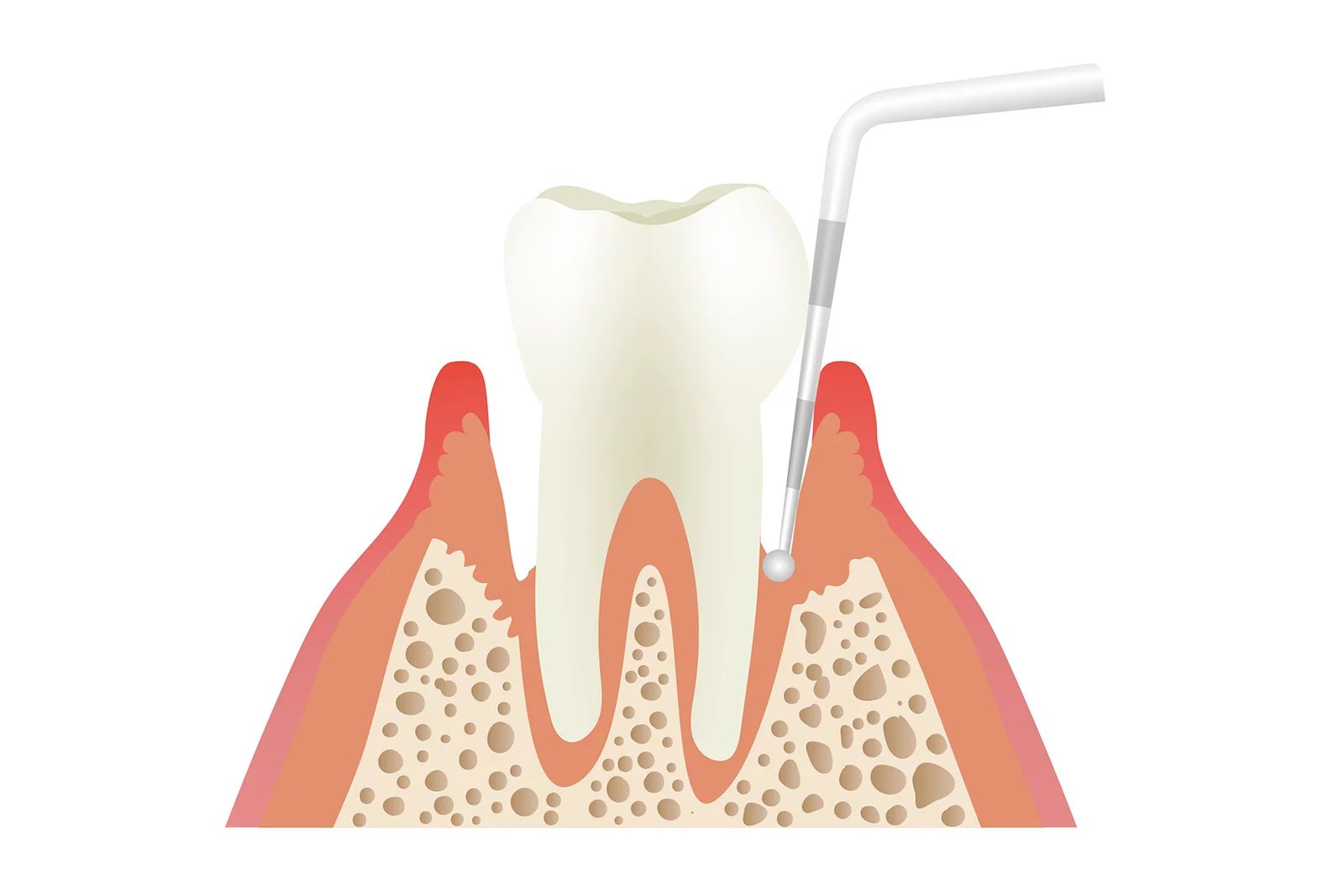
Pregnancy gingivitis is gum inflammation that occurs easily during pregnancy. It can appear from early pregnancy and is said to tend to get stronger around mid-pregnancy. In most cases it settles after childbirth, but if left alone it can progress to gum disease.
Why gums swell easily during pregnancy
- Female hormones (estrogen and progesterone) increase, widening the blood vessels in the gums and making inflammation more likely
- Gum disease bacteria that feed on female hormones increase more easily
- Morning sickness makes brushing harder, so debris is left behind more easily
- The amount and nature of saliva change, and the mouth tends to become more acidic
- You eat more often, and grazing becomes more likely
In other words, pregnancy itself makes the gums more prone to inflammation, and on top of that, debris is more easily left behind.
What symptoms appear?
- Gums become red and swollen
- Gums bleed easily when brushing or flossing
- Gums feel itchy or uncomfortable
- You notice bad breath
Often there is no strong pain, so it is easy to think, "They bleed, but it's fine," and leave it.
What happens if it is left untreated?
If gingivitis gets worse, it can progress to gum disease, in which the bone supporting the teeth dissolves. Links between gum disease and premature birth or low birth weight have also been reported. Rather than thinking "it can't be helped because I'm pregnant," take care of your mouth precisely because you are pregnant.
Care you can do at home
- Brush gently and carefully (even if there is bleeding, brush gently without scrubbing)
- Remove debris between teeth with floss or interdental brushes
- Switch to a small-head toothbrush, and brush with your face turned downward
- Use a toothpaste with little scent, or brush without toothpaste
- Brush at times when you feel well
When morning sickness is hard
When morning sickness is hard, you do not need to push yourself. At least rinse your mouth. Using a fluoride mouthwash is also a good method. After vomiting, stomach acid makes teeth easier to dissolve, so do not brush hard right away; first rinse your mouth well with water.
For your baby, too
It is said that newborn babies have no decay-causing bacteria in their mouths. These bacteria are thought to pass to babies mainly through the saliva of the adults around them. The fewer bacteria in the parents' mouths, the lower the child's risk of tooth decay.
After giving birth, you will be busy caring for your baby, and your own dental visits tend to be put off. It is reassuring to finish decay treatment and cleaning while you are still pregnant.
Points for dental visits during pregnancy
For checkups and cleaning during pregnancy, we recommend mid-pregnancy (around months 5–7), when your condition is relatively stable. Please bring your Maternal and Child Health Handbook (the record book issued to expectant mothers in Japan), and tell us that you are pregnant, how many weeks along you are, how you are feeling, and any instructions from your obstetrician.
Dental X-rays cover only a small area, and we also use a protective apron. As for anesthesia, the local anesthetics generally used in dentistry can often be used in normal amounts. For medicines such as painkillers, when needed, we choose ones that can be used during pregnancy. We decide together on the need for and timing of treatment after hearing about your condition.
Summary
Pregnancy is a time when swollen and bleeding gums occur easily. Protect your oral health with gentle daily care and a checkup during the stable period. If you have any symptoms that concern you, please feel free to consult us.
ESCA Dental & Orthodontic Clinic is in the ESCA underground shopping mall, a 1-minute walk from the Shinkansen exit of JR Nagoya Station. Appointments by phone (+81-52-452-1255), online booking (Japanese) or LINE.
Main risks and side effects
- After tartar removal, the gums may bleed or the teeth may feel sensitive for a while
- Your physical condition can change easily during pregnancy, so if you feel unwell during treatment, please tell us right away
Frequently asked questions
Q. Can I get dental treatment while pregnant?
Yes. Mid-pregnancy, when your condition is relatively stable, is recommended. For sudden pain and the like, please consult us at any stage.
Q. Is it safe to have dental X-rays while pregnant?
Dental X-rays cover only a small area, and we also use a protective apron. We take them only when needed and only of the area needed.
Q. Will the gum swelling go away after I give birth?
In most cases it settles after childbirth, but if it has progressed to gum disease, it may not. Please continue to have checkups after giving birth.
Medical review
This article was reviewed by Katsuaki Takeuchi, DDS (Director; Board-certified oral surgeon, Japanese Society of Oral and Maxillofacial Surgeons), ESCA Dental & Orthodontic Clinic. It provides general information; please consult a dentist about your own condition.
Appointments and questions
Mon–Fri 10:00–13:00 / 14:30–19:30 · Sat & Sun 10:00–13:00 / 14:00–18:00 (open every other Sunday) · Closed on national holidays. Our staff mainly speak Japanese.