
How Smoking Affects Teeth and Gums: Gum Disease, Stains, Healing
Published: 2026-02-02 · Updated: 2026-11-22 · Medically reviewed by Katsuaki Takeuchi, DDS (Director; Board-certified oral surgeon, Japanese Society of Oral and Maxillofacial Surgeons)
What you will learn
- Why smoking makes gum disease progress faster and harder to notice
- Effects on bad breath, staining and healing after treatment
- Changes in the mouth you can expect from quitting or cutting down

Most people know that smoking is bad for the body. In fact, smoking also has a large effect inside the mouth.
In this article, we explain the relationship between smoking and the teeth and gums, and the changes you can expect from quitting or cutting down.
1. Gum disease progresses easily and is hard to notice
Nicotine in tobacco narrows blood vessels. This reduces blood flow in the gums and weakens their ability to fight gum disease bacteria. Smokers are said to get gum disease more easily, and to have it progress faster, than non-smokers.
In addition, because blood flow is poor, the gums are less likely to swell or bleed. The worrying thing about gum disease in smokers is that the warning signs are less visible, so it progresses without being noticed.
2. Bad breath tends to get stronger
In addition to the smell of tobacco itself, tar stains on the teeth also cause odor. Smoking also reduces saliva and dries the mouth, so bacteria increase and bad breath occurs more easily.
3. Tooth staining (tar stains)
Smoking makes brown or blackish tar stains stick to the tooth surface easily. Tar often cannot be fully removed by brushing alone, and professional cleaning at a dental clinic is needed. Surface stains can be removed by cleaning, but if you want to whiten the color of the teeth themselves, we consider whitening. Melanin pigment can also build up in the gums and darken them.
4. Healing after treatment is slower
- Gum disease treatment is less effective
- Wounds heal more slowly after tooth extraction, and dry socket (severe pain after extraction) occurs more easily
- Implants bond to bone less easily, and peri-implantitis occurs more easily
Even after treatment, continuing to smoke makes good results harder to achieve. Before and after implant treatment or gum surgery, we may ask you to stop smoking.
5. Risk of oral cancer
Smoking is known to raise the risk of oral cancer (cancer of the tongue, gums and so on). If you have a mouth sore that does not heal for more than 2 weeks, whitish or reddish patches, or a lump, see a dentist soon.
Regular checkups matter especially for smokers
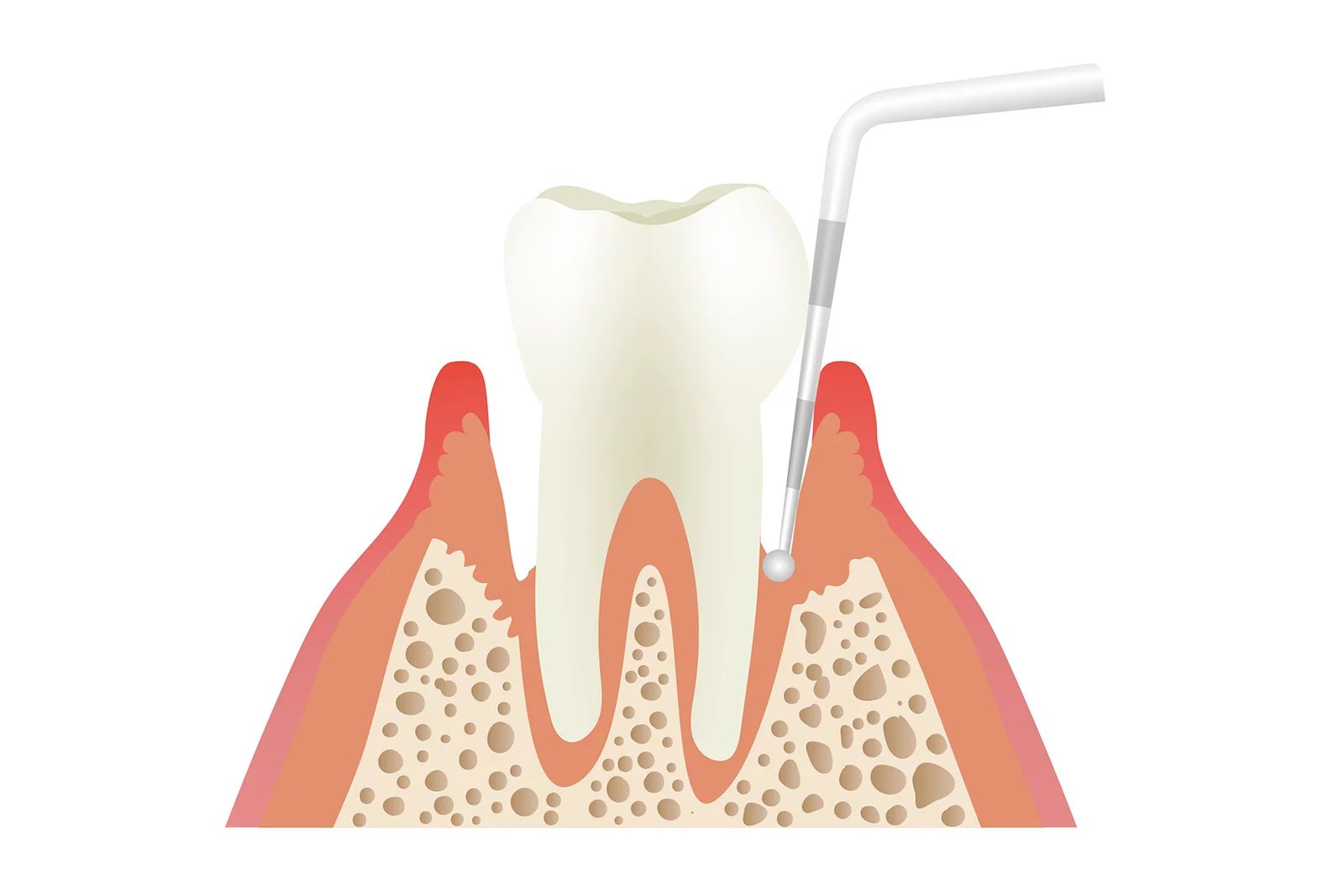
In smokers, the signs of gum disease, such as swollen or bleeding gums, appear less, so gum disease may progress without you noticing. At the dental clinic, we can check the depth of gum pockets and, with X-rays, the condition of the bone that supports the teeth.
It is important to have regular checkups and cleaning about once every 3 months to remove tar and tartar and check how gum disease is progressing. For those thinking of quitting, we will support you while telling you about the changes in your mouth.
Are heated tobacco products OK?
Heated tobacco products also contain nicotine. So it cannot be said that they have no effect on the mouth, such as on gum blood flow. Even if you feel there is less smell or staining, you still need to be careful about the risk of gum disease.
Quitting or cutting down changes your mouth
When you quit smoking, blood flow in the gums gradually improves, and gum disease treatment becomes more effective. Bad breath and staining also decrease. After quitting, your gums may bleed more easily, but this is because blood flow has returned and hidden inflammation has become visible. Continue professional cleaning and daily care.
If quitting all at once is hard, start by reducing the number of cigarettes. Getting support at a smoking cessation clinic is another option.
Summary
Smoking affects the mouth in many ways, including gum disease, bad breath, staining and healing after treatment. In smokers, signs of gum disease appear less, so regular checkups and cleaning are especially important. If you have any concerns, please feel free to consult us.
ESCA Dental & Orthodontic Clinic is in the ESCA underground shopping mall, a 1-minute walk from the Shinkansen exit of JR Nagoya Station. Appointments by phone (+81-52-452-1255), online booking (Japanese) or LINE.
Main risks and side effects
- After cleaning, the teeth may feel sensitive for a while
- After quitting smoking, the gums may bleed more easily (this is due to returning blood flow, and it usually settles as you continue care)
Frequently asked questions
Q. Can tar stains be removed by cleaning?
Tar on the tooth surface can be removed by professional cleaning at a dental clinic. If you want to whiten the color of the teeth themselves, we consider whitening.
Q. Can I get implants if I smoke?
The risks are higher, for example implants bond to bone less easily and inflammation occurs more easily. We ask you to stop smoking before and after treatment.
Q. Since I quit smoking, my gums have started bleeding.
This is thought to be because blood flow has returned and hidden inflammation has become visible. With cleaning and daily care, it will gradually settle.
Related pages
Medical review
This article was reviewed by Katsuaki Takeuchi, DDS (Director; Board-certified oral surgeon, Japanese Society of Oral and Maxillofacial Surgeons), ESCA Dental & Orthodontic Clinic. It provides general information; please consult a dentist about your own condition.
Appointments and questions
Mon–Fri 10:00–13:00 / 14:30–19:30 · Sat & Sun 10:00–13:00 / 14:00–18:00 (open every other Sunday) · Closed on national holidays. Our staff mainly speak Japanese.