
Types of Dental Crowns Compared: Zirconia, E-max, Hybrid, Insured
Published: 2026-04-13 · Updated: 2026-11-22 · Medically reviewed by Katsuaki Takeuchi, DDS (Director; Board-certified oral surgeon, Japanese Society of Oral and Maxillofacial Surgeons)
What you will learn
- Main types of crowns and their features
- Pros and points to note for each
- Choosing by location and purpose
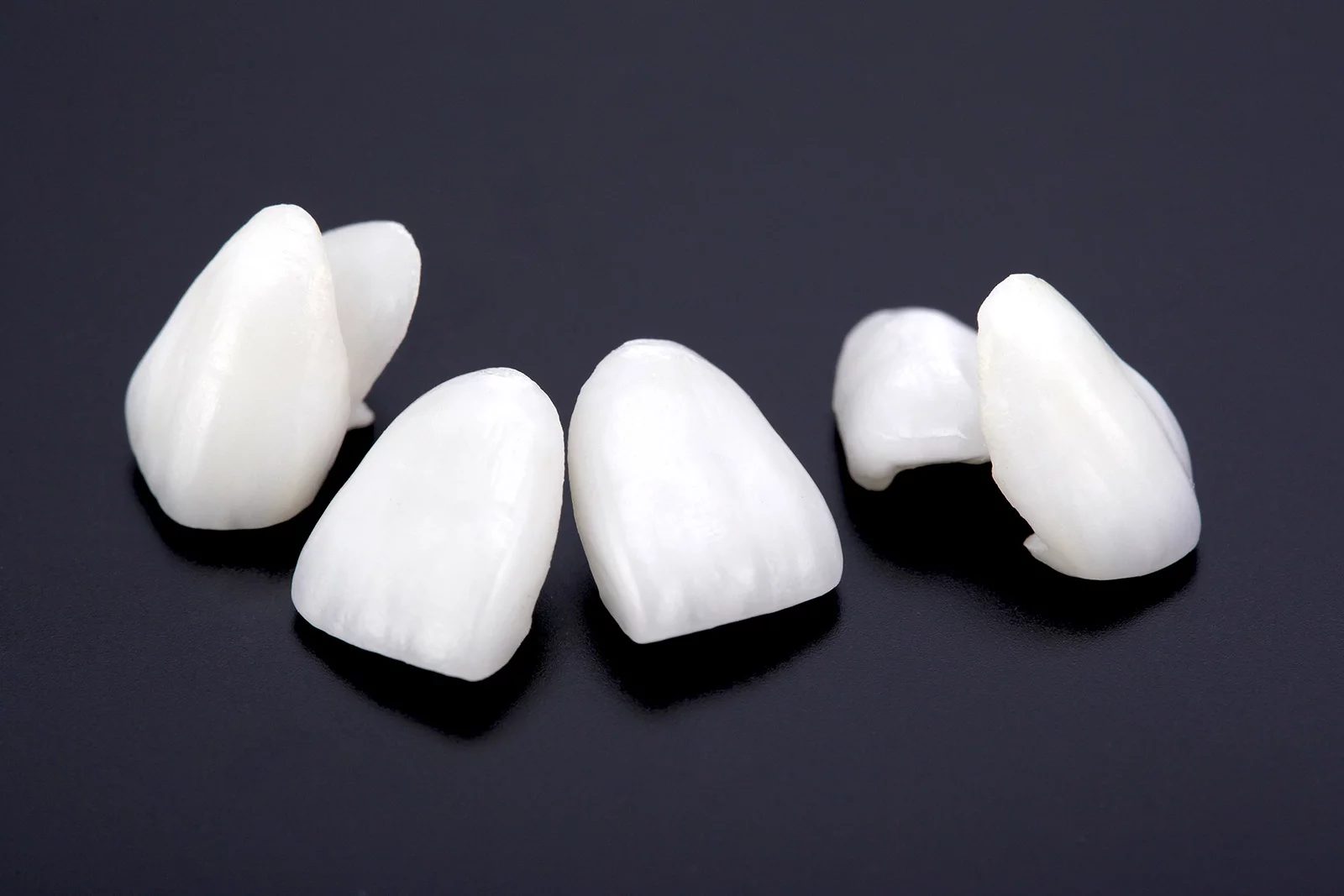
"Which crown should I choose?" This is a question we are often asked after decay or root canal treatment. There are several types of crowns, each different in appearance, strength and cost.
In this article, we compare the features of the main types of crowns in an easy-to-understand way, and introduce points for choosing.
Main types of crowns
1. Zirconia
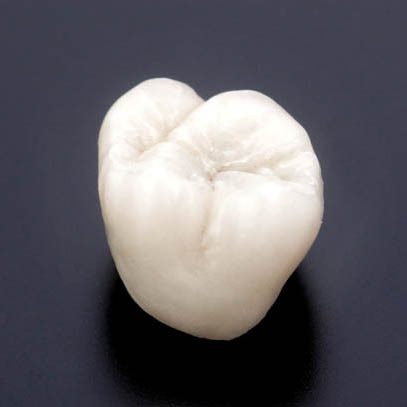
Zirconia is a type of ceramic. It is very hard and resistant to cracking.
- Pros: suitable even for back teeth that take strong forces / contains no metal, so there is little concern about metal allergy / resists discoloration
- Points to note: slightly less translucent than E-max / because it is hard, careful adjustment is important so it does not wear down the opposing teeth
Suits: back teeth, people with a strong bite, people who want to use it for a long time. There is also a type with ceramic layered on the surface for a more natural look.
2. E-max (lithium disilicate ceramic)
E-max is a glass-based ceramic. It is translucent and makes it easy to achieve a shade close to natural teeth.
- Pros: natural appearance / resists discoloration / debris sticks to it less
- Points to note: less strong than zirconia / may not suit places with grinding or a strong bite
Suits: places where appearance matters most, such as the front teeth.
3. Hybrid (hybrid resin)
A material that mixes ceramic and plastic (resin). Among self-paid crowns, it is the one where costs are easiest to keep down.
- Pros: relatively lower cost / softer, so gentle on opposing teeth
- Points to note: contains plastic, so it discolors more easily over the years / may wear down or chip
4. Insured crowns (metal crowns and CAD/CAM crowns)
These crowns are covered by Japanese public health insurance. There are metal crowns and white plastic-based CAD/CAM crowns (CAD/CAM crowns can only be used for certain teeth and under certain conditions).
- Pros: covered by insurance, so costs are kept down
- Points to note: metal crowns are noticeable and can cause metal allergy / CAD/CAM crowns may wear, discolor or crack
So which should you choose?
The answer is to choose by location and purpose.
- Front teeth: E-max or similar if appearance is the priority
- Back teeth: zirconia or similar if strength is the priority
- To keep costs down: hybrid, or an insured crown
However, the suitable material changes depending on your bite, whether you grind your teeth, how much tooth remains and the condition of your gums. After checking your mouth, we explain the features and costs of each, listen to your wishes, and decide together.
Things to check when choosing a crown
- Is the tooth a front tooth or a back tooth (which do you prioritize, appearance or strength)
- Do you grind or clench
- The color and material of the neighboring and opposing teeth
- Are you concerned about metal allergy
- The balance between cost and long-term use
Please do not hesitate to ask about anything you are unsure of. We also explain differences in color and appearance using samples and photos.
Making your crown last longer
With any material, decay can recur at the border between the crown and the tooth. To use a crown for a long time, daily brushing, floss or interdental brushes and regular checks are essential. If you grind your teeth, you can also protect your crowns with a mouthpiece worn at night (night guard).
Zirconia, E-max and hybrid crowns are self-paid (not covered by insurance). Please see the fee table for standard costs. Costs may vary depending on the condition of your mouth, so we explain them before treatment.
Summary: if you are unsure, please consult us first
Once placed, a crown is used for a long time. Consider the balance of appearance, strength and cost, and choose the one that suits you. If you are unsure which to choose, or are concerned about your current crowns, please feel free to consult us.
ESCA Dental & Orthodontic Clinic is in the ESCA underground shopping mall, a 1-minute walk from the Shinkansen exit of JR Nagoya Station. Appointments by phone (+81-52-452-1255), online booking (Japanese) or LINE.
Main risks and side effects
- The tooth must be shaped to make a crown. Teeth that still have their nerve may feel sensitive after treatment
- Ceramic crowns can also chip or crack under strong force or grinding
- Decay can recur at the border between the crown and the tooth
- Bite adjustment may be needed
Frequently asked questions
Q. What is the difference between insured and self-paid crowns?
Mainly the materials available, appearance and resistance to discoloration. Insured crowns keep costs down, but there are rules on materials and shapes. With self-paid crowns, you can choose the material, and it is easier to match the color and shape to the surrounding teeth.
Q. Can I replace my current metal crown with a white one?
In many cases, yes. After checking the condition of the tooth underneath (such as recurring decay), we suggest a suitable material.
Q. How long do ceramic crowns last?
It depends on your mouth, your care and your biting force, so it cannot be said in general. We help you use them for a long time with daily care and regular checkups.
Medical review
This article was reviewed by Katsuaki Takeuchi, DDS (Director; Board-certified oral surgeon, Japanese Society of Oral and Maxillofacial Surgeons), ESCA Dental & Orthodontic Clinic. It provides general information; please consult a dentist about your own condition.
Appointments and questions
Mon–Fri 10:00–13:00 / 14:30–19:30 · Sat & Sun 10:00–13:00 / 14:00–18:00 (open every other Sunday) · Closed on national holidays. Our staff mainly speak Japanese.