
Metal Fillings and Metal Allergy: Symptoms, Tests and Treatment
Published: 2026-06-22 · Updated: 2026-11-22 · Medically reviewed by Katsuaki Takeuchi, DDS (Director; Board-certified oral surgeon, Japanese Society of Oral and Maxillofacial Surgeons)
What you will learn
- How dental metals can cause allergies
- Symptoms seen with dental metal allergy
- Testing and treatment, and points to note when replacing metal
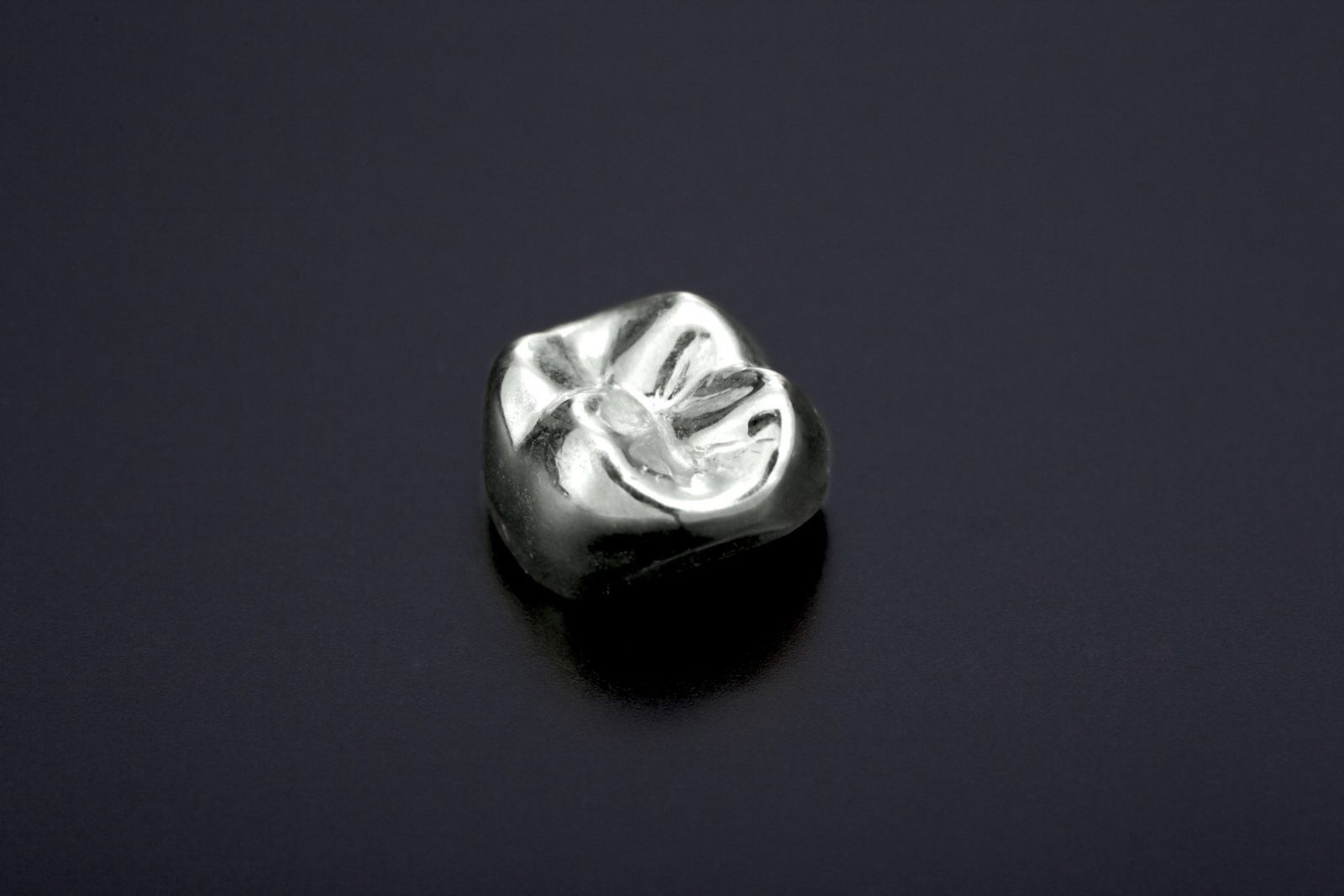
Metals in fillings, crowns and dentures from past dental treatment can sometimes cause a metal allergy.
If itching, bumps or rashes on the skin of your hands or feet, a bitter taste in your mouth, or eczema around the mouth or face do not go away, dental metals may be involved. In this article, we explain the symptoms and treatment of dental metal allergy.
How dental metals can cause allergies
There are two types of metal allergy: a "local" type, where symptoms appear where metal such as jewelry touches the skin, and a "systemic" type, where metal that has entered the body causes symptoms in places it does not touch.
Metal in the mouth slowly dissolves (ionizes) due to saliva and food, and is absorbed into the body through the gums and other tissues. This can trigger an allergy, with symptoms appearing far from the mouth, such as on the palms or soles. Dental metal allergy is the systemic type.
Symptoms seen with dental metal allergy
- Pus-filled bumps on the palms and soles (palmoplantar pustulosis)
- Blisters on the palms and soles (dyshidrotic eczema)
- White, lace-like patterns on the inside of the mouth (oral lichen planus)
- Eczema around the mouth or face, itchy skin all over the body
- A bitter or metallic taste in the mouth
These symptoms are often caused by things other than metal allergy. Gum disease or inflammation at the root of a tooth (a dental focal infection) may also be involved in conditions such as palmoplantar pustulosis, and it is said that skin symptoms sometimes improve after gum disease or root canal treatment.

The metal used in insurance-covered silver crowns
In Japan, silver crowns covered by public health insurance are often made of an alloy called 12% gold-silver-palladium alloy. Silver corrodes easily, so gold is added to make up for this, and palladium is added to make up for silver's brittleness.
Also, because you cannot see through metal, decay is sometimes found progressing underneath when the metal is removed.
Testing and treatment
1. Testing and diagnosis
We check the condition of your skin and mouth and, if necessary, work with a dermatologist to test for metal allergy (such as a patch test). We also check what kinds of metal are used in your mouth.
2. Removing and replacing the metal that causes the reaction
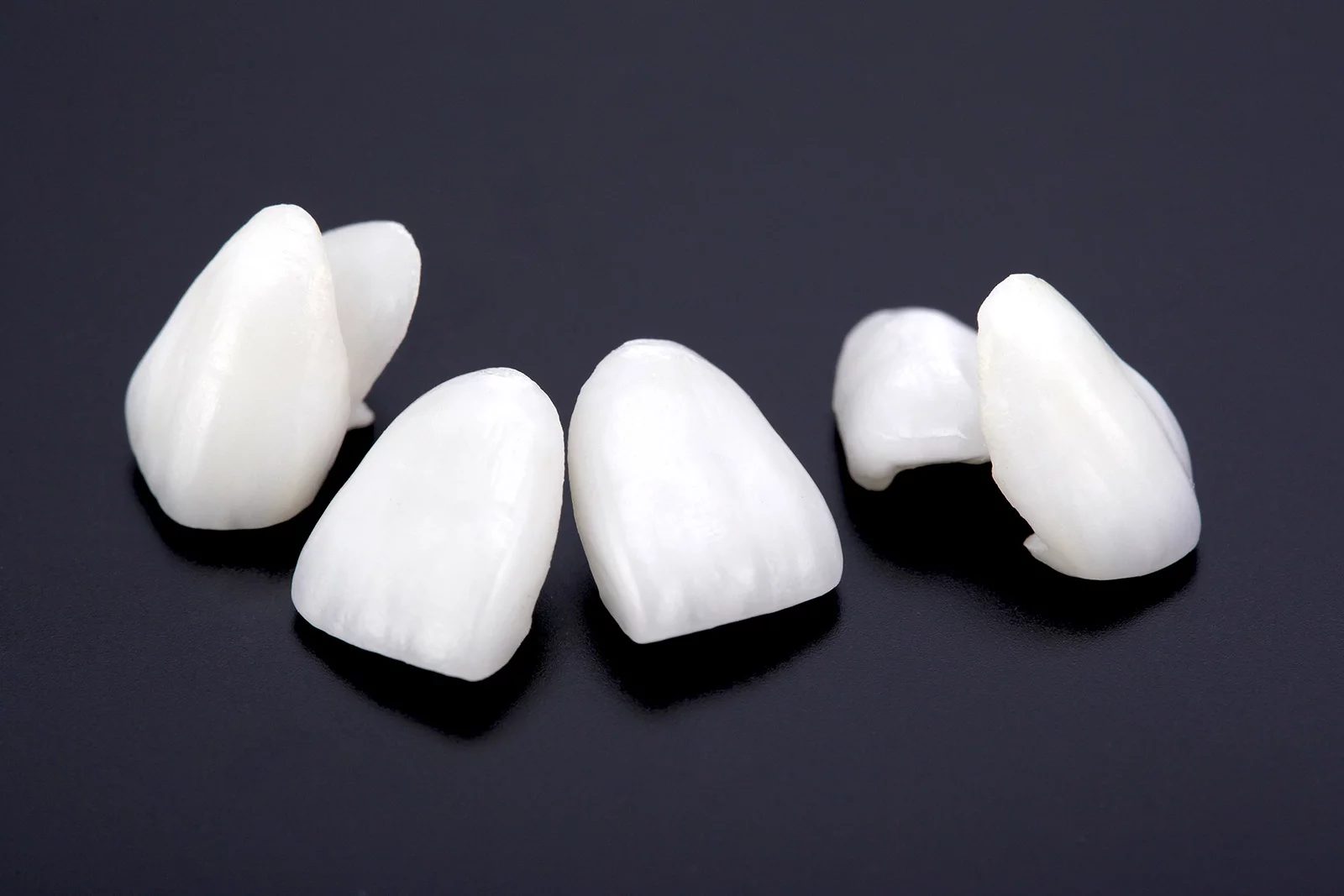
If a metal that reacted in the test is being used, we remove that filling, crown or denture and replace it with a metal-free material (ceramic, zirconia, resin and so on) or a material that suits your body.
3. Treating any infection
If X-rays show infection at the root of a tooth or gum disease, we treat that as well. If needed, we also work with other medical specialists, such as an ear, nose and throat doctor.
Removing a metal that caused a reaction does not always make all symptoms disappear. Several substances may be involved, or your living environment may play a part.
Types of metal-free materials
- Zirconia: a hard, strong ceramic, also used for back teeth and for people with a strong bite
- All-ceramic and e.max: ceramics with a color close to natural teeth, for areas where appearance matters
- Hybrid resin and composite resin: materials that mix resin and ceramic; depending on conditions, they may be covered by Japanese public health insurance
Materials differ in appearance, strength, how easily they wear, and cost. Choose according to the position of the tooth, your bite and your wishes. If the metal clasps of a denture concern you, options such as dentures without metal clasps (non-clasp dentures) are also available.
Summary: if you have symptoms that concern you, consult us first
If skin symptoms will not go away or the metal in your mouth concerns you, please feel free to consult us. Based on the test results, we will explain the benefits and points to note, and decide together whether to replace the metal and which material to use.
ESCA Dental & Orthodontic Clinic is in the ESCA underground shopping mall, a 1-minute walk from the Shinkansen exit of JR Nagoya Station. Appointments by phone (+81-52-452-1255), online booking (Japanese) or LINE.
Main risks and side effects
- Removing metal requires drilling the tooth, and the tooth may become sensitive
- Symptoms may not improve even after the metal is removed
- Ceramics can chip or crack under strong force
Metal-free crowns such as ceramic and zirconia may be self-paid treatment (not covered by insurance). Please see our fee table for standard fees.
Frequently asked questions
Q. Can a dentist check whether I have a metal allergy?
We check the condition of your mouth and, if necessary, work with a dermatologist to carry out tests such as a patch test.
Q. Should I have all my silver crowns removed?
If you have no allergic reaction or no symptoms, there is no need to rush to remove them. If you are concerned, decide after having a test.
Q. Is metal-free treatment covered by insurance?
Depending on the position and conditions, white resin fillings and crowns may be covered by Japanese public health insurance. Ceramic and zirconia are self-paid (not covered by insurance). Please ask us for details.
Medical review
This article was reviewed by Katsuaki Takeuchi, DDS (Director; Board-certified oral surgeon, Japanese Society of Oral and Maxillofacial Surgeons), ESCA Dental & Orthodontic Clinic. It provides general information; please consult a dentist about your own condition.
Appointments and questions
Mon–Fri 10:00–13:00 / 14:30–19:30 · Sat & Sun 10:00–13:00 / 14:00–18:00 (open every other Sunday) · Closed on national holidays. Our staff mainly speak Japanese.