
Dry Socket: Causes, Treatment and Prevention After Extraction
Published: 2026-07-27 · Updated: 2026-11-22 · Medically reviewed by Katsuaki Takeuchi, DDS (Director; Board-certified oral surgeon, Japanese Society of Oral and Maxillofacial Surgeons)
What you will learn
- What dry socket is and its symptoms
- Main causes of dry socket, and how long the pain lasts
- Treatment at the dental clinic, and prevention after an extraction
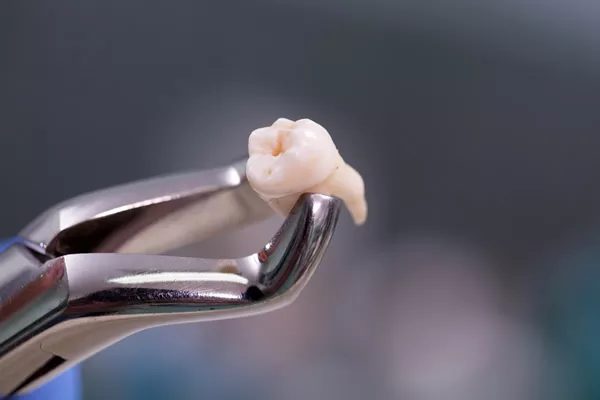
A few days after having a tooth such as a wisdom tooth removed, the pain keeps getting worse. If this happens, you may have a dry socket.
In this article, we explain the symptoms, causes and treatment of dry socket, and how to prevent it after an extraction.
What is dry socket?
Normally, a blood clot forms in the hole left after a tooth is removed (the extraction socket), covering and protecting the wound. When this clot does not form properly or comes away too early, leaving the bone in the socket exposed, this is called a dry socket. Its formal name is alveolar osteitis after extraction, and it is said to be especially common after lower wisdom teeth are removed.
Main symptoms of dry socket
Severe pain
A typical feature is strong, throbbing pain that starts about 2 to 3 days after the extraction. Pain relievers may not work well, and the pain gets worse when food touches the wound. The pain may spread from the gums to the jaw and toward the ear.
Unpleasant smell or taste
Debris can collect and bacteria can multiply where the bone is exposed, causing an unpleasant smell or taste.
The socket looks whitish
If you look in a mirror, there may be no blood clot in the socket, and whitish bone may be visible.
Main causes of dry socket
- Rinsing too much: rinsing vigorously many times can wash away the blood clot
- Touching or disturbing the wound: touching it with your tongue or finger, or sucking hard through a straw, can dislodge the clot
- Smoking: it reduces blood flow and slows healing
- Activities that greatly increase blood flow: a long bath, intense exercise or alcohol on the day of the extraction
- Feeling unwell or having lowered resistance
How long does the pain last?
The pain is usually strongest for about 2 to 3 days after symptoms start, then gradually eases. However, it may continue for 1 to 2 weeks. If the pain keeps getting worse or will not settle, other causes (such as infection) are possible, so see a dental clinic early.
Treatment at the dental clinic
- We gently wash out the socket to remove debris and bacteria
- We place medication to reduce pain and inflammation, and protect the wound
- We prescribe pain relievers and antibacterial medication (antibiotics)
- If necessary, we may treat the socket so that fresh blood collects in it
After treatment, it is important to follow the dentist's instructions (how to rinse, what to eat and so on). Do not put up with the pain; contact us early.
How to prevent dry socket
- On the day of the extraction, do not rinse vigorously (just rinse your mouth lightly)
- Do not touch the wound with your tongue or finger, and do not suck hard through a straw
- Avoid smoking for a while after the extraction (about a week)
- On the day of the extraction, avoid long baths, intense exercise and alcohol
- Avoid hard or highly irritating foods, and chew on the side opposite the extraction
- Take prescribed medication as directed
Another option is to use a protective material (TERUPLUG) that protects the socket after extraction (self-paid treatment, not covered by insurance). For details, please see our article on TERUPLUG.
Eating after an extraction
On the day of the extraction, once the anesthetic has worn off, eat soft, mild foods (rice porridge, udon noodles, soup, yogurt and so on) slowly on the side opposite the extraction. Avoid very hot foods, spicy foods and alcohol, as they increase blood flow and make bleeding more likely. After 2 to 3 days, when the pain settles, gradually return to your usual diet.
Summary: follow the aftercare instructions, and see us early if pain continues
You can lower the risk of dry socket by following the instructions after an extraction. Even so, if strong pain appears a few days after the extraction, do not put up with it; contact us early. We also welcome consultations about wisdom tooth removal.
ESCA Dental & Orthodontic Clinic is in the ESCA underground shopping mall, a 1-minute walk from the Shinkansen exit of JR Nagoya Station. Appointments by phone (+81-52-452-1255), online booking (Japanese) or LINE.
Main risks and side effects
- After an extraction, swelling, pain and bleeding may continue for a few days to about a week
- Removing lower wisdom teeth can, in rare cases, cause numbness of the lip or jaw
- Even after dry socket treatment, the pain may not go away immediately
Frequently asked questions
Q. Does dry socket heal on its own?
It may heal over time, but the pain is often strong and long-lasting, so we recommend having it treated at a dental clinic. Washing out the socket and placing medication tends to ease the pain.
Q. Can I brush my teeth on the day of the extraction?
Avoid the area near the extraction and brush your other teeth gently as usual. Do not rinse vigorously; just rinse lightly.
Q. Are some people more likely to get dry socket?
It is said to be more common in people who have had a lower wisdom tooth removed, people who smoke, and people whose extraction was difficult. If you are concerned, please talk to us before the extraction.
Related pages
Medical review
This article was reviewed by Katsuaki Takeuchi, DDS (Director; Board-certified oral surgeon, Japanese Society of Oral and Maxillofacial Surgeons), ESCA Dental & Orthodontic Clinic. It provides general information; please consult a dentist about your own condition.
Appointments and questions
Mon–Fri 10:00–13:00 / 14:30–19:30 · Sat & Sun 10:00–13:00 / 14:00–18:00 (open every other Sunday) · Closed on national holidays. Our staff mainly speak Japanese.