
What Is Mouthwash For? Benefits and How to Use It Correctly
Published: 2026-08-28 · Updated: 2026-11-22 · Medically reviewed by Katsuaki Takeuchi, DDS (Director; Board-certified oral surgeon, Japanese Society of Oral and Maxillofacial Surgeons)
What you will learn
- What mouthwash can and cannot do
- Mouthwash vs. liquid toothpaste (dental rinse), and choosing one for your purpose
- How to get more from mouthwash, and points to note
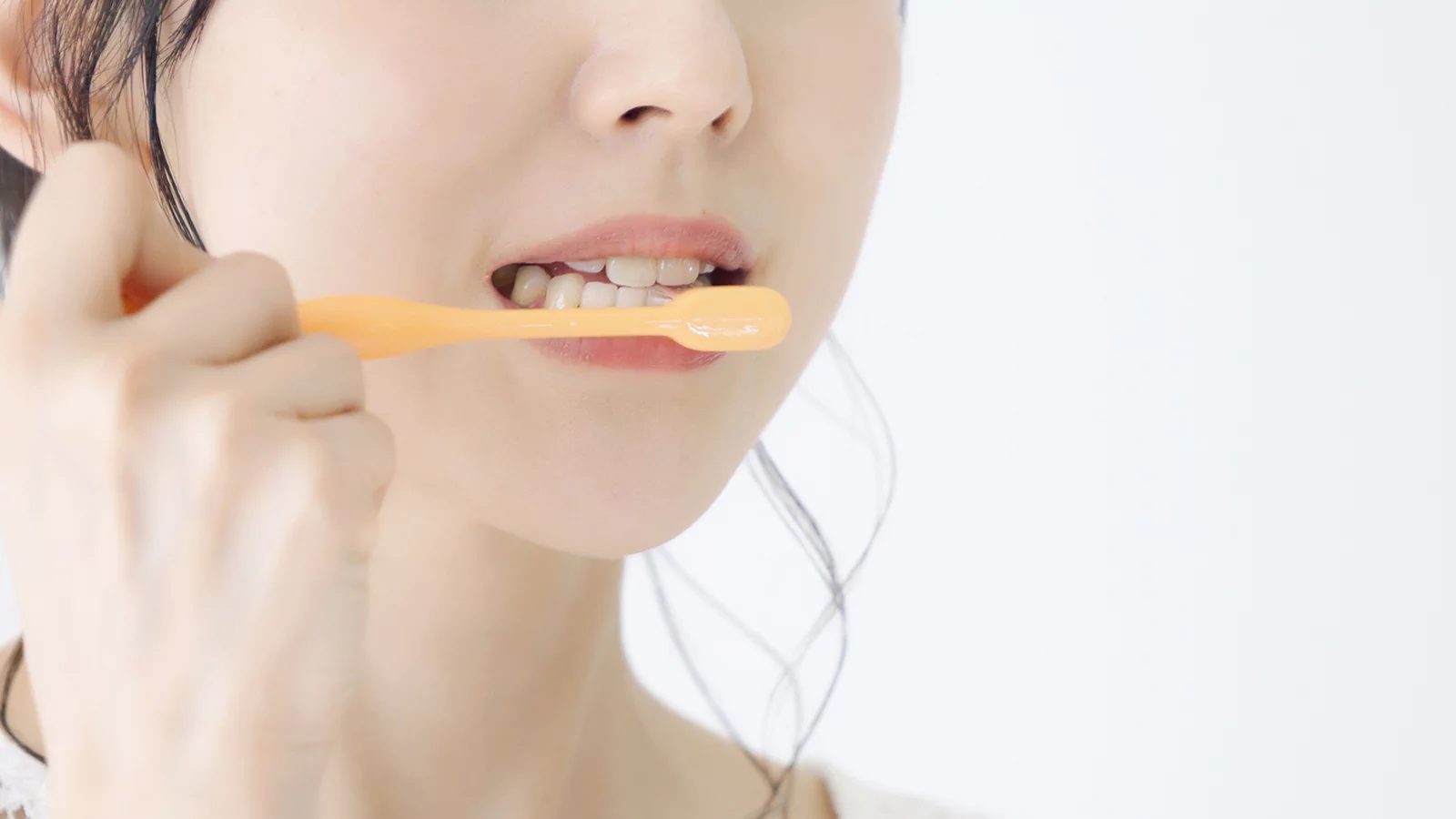
Many people use mouthwash in addition to daily brushing. Stores carry so many types that it can be hard to know which to choose.
In this article, we explain what mouthwash is for and key points for choosing and using it.
What mouthwash can do
- Reduce bacteria that cause bad breath
- Spread cavity-preventing ingredients (such as fluoride) throughout the mouth
- Help prevent gum disease with ingredients that reduce gum inflammation
- Reach places a toothbrush has trouble reaching
- Leave your mouth feeling fresh
Mouthwash does not replace brushing
Plaque on the tooth surface is a sticky mass of bacteria that cannot be removed by rinsing alone. The basis for removing plaque is cleaning it off mechanically with a toothbrush, dental floss and interdental brushes.
Think of mouthwash as a supporting item to use after brushing has removed debris.
If you rely on mouthwash alone, plaque stays on your teeth and causes cavities and gum disease.
Mouthwash vs. liquid toothpaste (dental rinse)
Product labels mainly show two types.
- Mouthwash: a type you swish in your mouth after brushing (or at a different time from brushing)
- Liquid toothpaste (dental rinse): a type you swish in your mouth and then brush with a toothbrush
They are used differently, so check the package label before use.
Choosing one for your purpose
For cavity prevention
We recommend a mouthwash containing fluoride. For people prone to cavities, using it at a different time from brushing increases how often teeth are exposed to fluoride.
For gum care
Some products contain antibacterial ingredients or ingredients that reduce inflammation. However, gum disease needs treatment such as tartar removal, so if bleeding or swelling continues, see a dental clinic.
If bad breath concerns you
Products with antibacterial ingredients help reduce the bacteria that cause bad breath. However, if the cause is cavities, gum disease or tongue coating, those need to be addressed.
If your mouth dries out easily or stings easily
Alcohol-free types are less irritating and easier to use for people whose mouths dry out easily.

How to get more from mouthwash, and points to note
- Take the specified amount into your mouth and swish it around for about 20 to 30 seconds
- Do not rinse with water afterward (it washes the ingredients away)
- Avoid eating or drinking for about 30 minutes after use
- Children should use it only once they are old enough to spit it out without swallowing
- If it stings or burns, stop using it and consult us
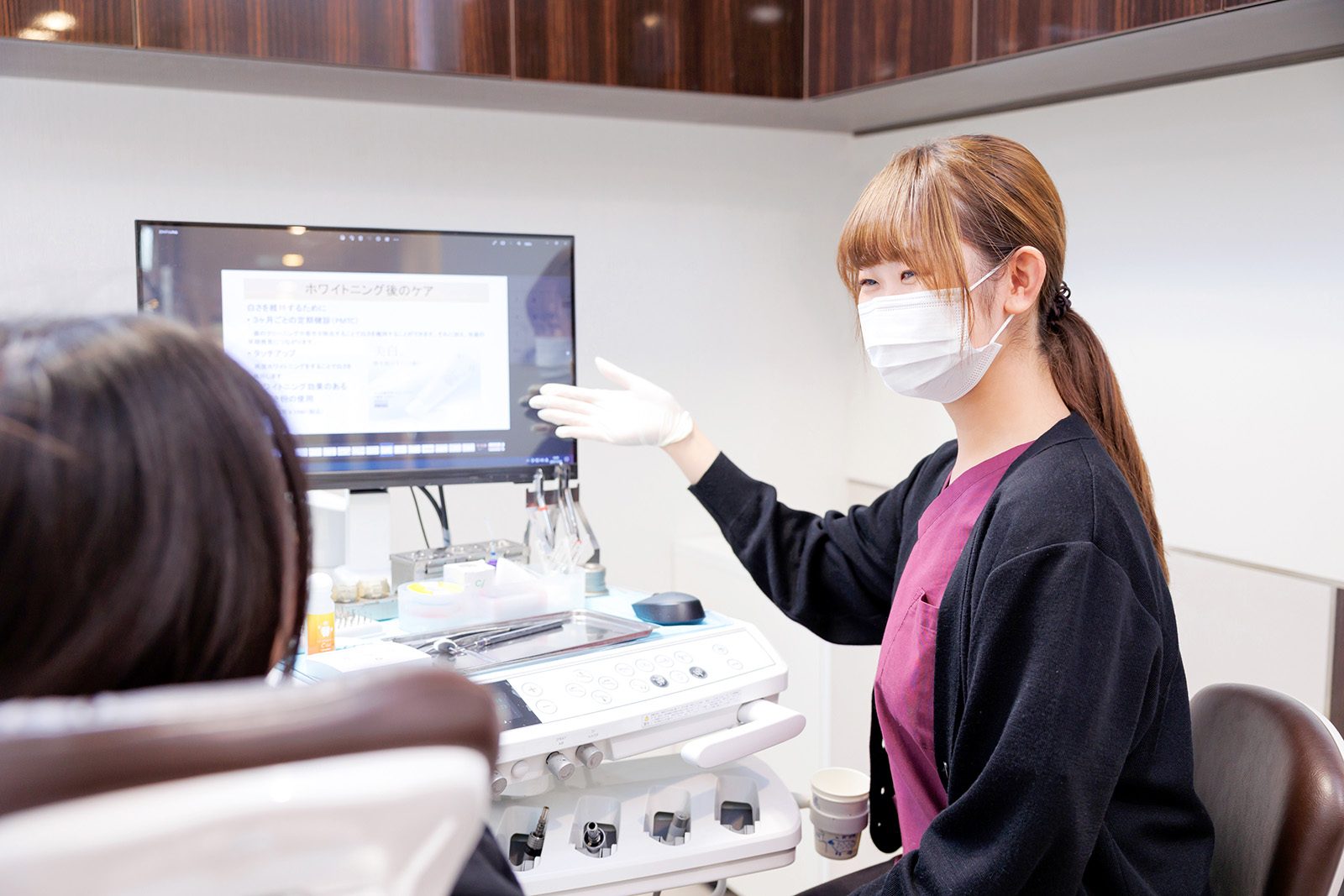
Mouthwash is recommended for people like these
- People prone to cavities (fluoride types)
- People concerned about swollen or bleeding gums (together with treatment at the dental clinic)
- People with areas that are hard to brush, such as orthodontic appliances or connected teeth (bridges)
- People who often cannot brush right away, such as at work
- People who find it hard to brush carefully, such as when unwell
In every case, though, the basis is removing debris by brushing. Use mouthwash wisely as something that fills the gaps in your daily care. If it does not seem to suit you, for example your mouth stings after use or things taste strange, switch to a different type or take a break from using it.
Summary: brushing plus mouthwash makes your care more effective
Mouthwash is a convenient item that supports daily self-care. After removing debris with brushing, floss and interdental brushes, use one suited to your purpose. If you are not sure which to choose, please feel free to ask at your checkup.
ESCA Dental & Orthodontic Clinic is in the ESCA underground shopping mall, a 1-minute walk from the Shinkansen exit of JR Nagoya Station. Appointments by phone (+81-52-452-1255), online booking (Japanese) or LINE.
Frequently asked questions
Q. Is it all right to use mouthwash every day?
Most mouthwashes are made for daily use. Follow the product label for how and how often to use it. If you feel irritation, choose an alcohol-free type or stop using it and consult us.
Q. Should I use it before or after brushing?
Mouthwash is generally used after brushing or at a different time from brushing (such as after lunch). Liquid toothpaste (dental rinse) is swished first, then you brush with a toothbrush. Check the label before use.
Q. Can mouthwash cure bad breath?
It can suppress bad breath temporarily, but if the cause is cavities, gum disease, tongue coating or similar, treatment and care for that cause are needed. If bad breath concerns you, please consult a dental clinic.
Medical review
This article was reviewed by Katsuaki Takeuchi, DDS (Director; Board-certified oral surgeon, Japanese Society of Oral and Maxillofacial Surgeons), ESCA Dental & Orthodontic Clinic. It provides general information; please consult a dentist about your own condition.
Appointments and questions
Mon–Fri 10:00–13:00 / 14:30–19:30 · Sat & Sun 10:00–13:00 / 14:00–18:00 (open every other Sunday) · Closed on national holidays. Our staff mainly speak Japanese.