
Vitamin D and Dental Health: Links to Gum Disease and Cavities
Published: 2026-09-15 · Updated: 2026-11-22 · Medically reviewed by Katsuaki Takeuchi, DDS (Director; Board-certified oral surgeon, Japanese Society of Oral and Maxillofacial Surgeons)
What you will learn
- How vitamin D relates to the health of teeth and bones
- Vitamin D deficiency, gum disease and cavities
- Foods rich in vitamin D, and tips for getting enough
When people think of nutrients that make up teeth and bones, many think of calcium. But for calcium to work properly in the body, it also needs help from vitamins. One of the most important is vitamin D.
In this article, we explain what is known about the relationship between vitamin D and dental health.
Main roles of vitamin D
- Helps the intestines absorb calcium and phosphorus
- Helps deliver absorbed calcium to bones and teeth
- Keeps bones strong (including the jawbone that supports the teeth)
- Regulates the immune system and is thought to be involved in inflammation
Are people today more likely to lack vitamin D?
In addition to coming from food, vitamin D is made in the skin when it is exposed to sunlight (ultraviolet rays). People who spend a lot of time indoors or who protect themselves thoroughly from the sun are said to be more likely to lack vitamin D.
A lack of vitamin D reduces calcium absorption and can make bones weaker.
Vitamin D and gum disease
Gum disease is a condition in which bacteria in plaque cause gum inflammation; as it progresses, the bone that supports the teeth (alveolar bone) is gradually lost.
Studies have found that people with lower blood levels of vitamin D tend to have more advanced gum disease, and it has been suggested that vitamin D deficiency may be one risk factor for gum disease. This is thought to be because vitamin D not only keeps bones strong but also helps balance the immune system.
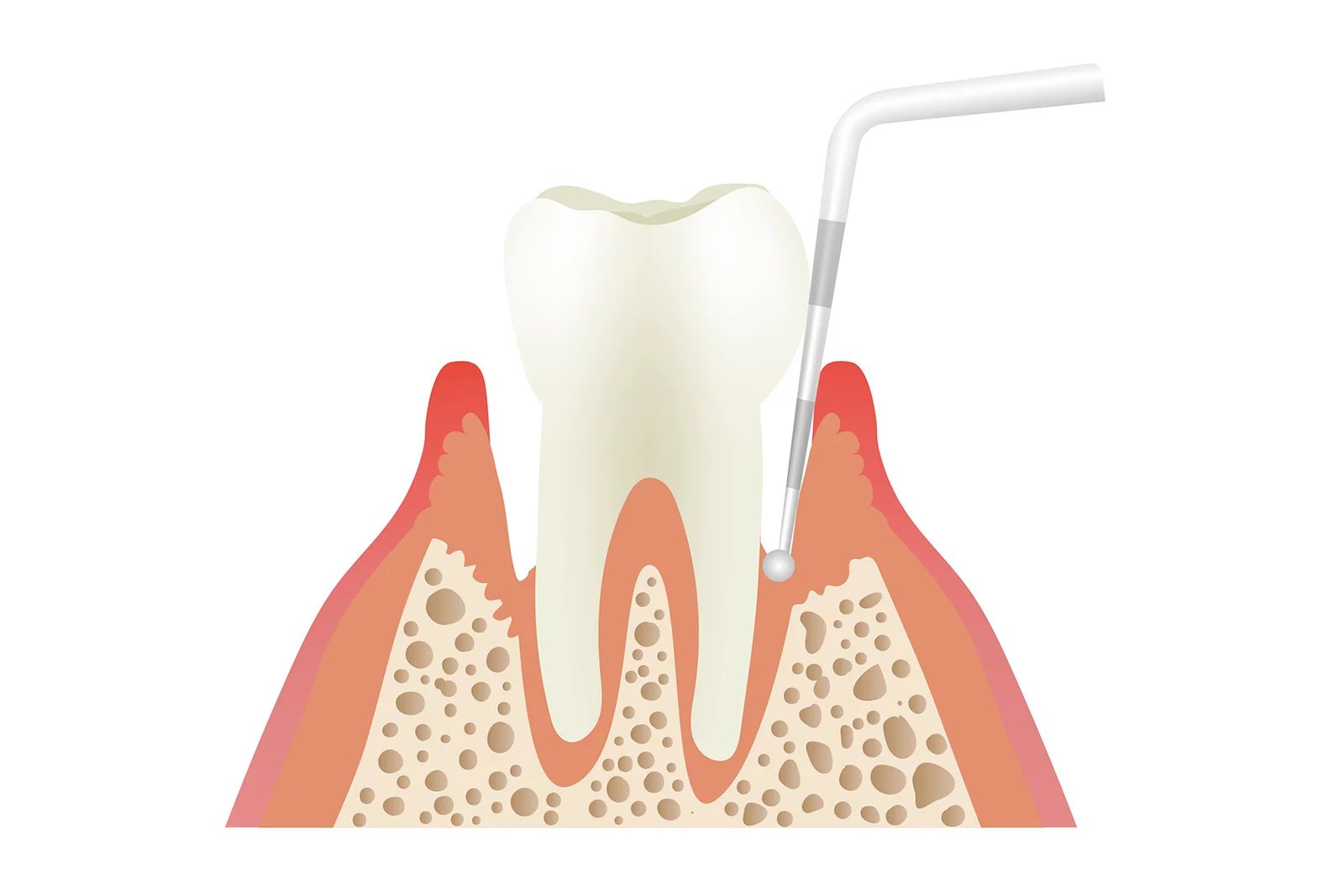
However, the main cause of gum disease is bacteria (plaque). Nutrition alone cannot prevent or cure gum disease. The basis is daily brushing and cleaning at the dental clinic.
Vitamin D and cavity prevention
Vitamin D helps absorb calcium and phosphorus, the materials that make up teeth. Balanced nutrition is especially important in childhood, when teeth are forming. The basics of cavity prevention are brushing, fluoride and diet (how you snack), but nutrition can also support healthy teeth.
It also matters before and after oral surgery
Because vitamin D is involved in bone health, it has been suggested that it may affect bone healing after implant surgery or gum disease surgery. If you have concerns about medical conditions, medications or your nutritional status, please talk to us before treatment. To avoid taking too much on your own judgment, decide whether to use supplements after consulting a doctor or dentist.
Foods rich in vitamin D
- Fish: salmon, Pacific saury, sardines, dried whitebait (shirasu) and more
- Mushrooms: wood ear mushrooms and dried shiitake (said to increase when exposed to sunlight)
- Egg yolks
In addition, getting some sunlight each day, for example by walking outside for a short time, also helps your body make vitamin D.

Other nutrients for healthy teeth and bones
Besides vitamin D, many nutrients are involved in the health of teeth and bones: calcium as a building material (dairy products, small fish, soy products, leafy greens and so on), protein (meat, fish, eggs, soy and so on), vitamin K, which helps keep calcium in the bones (natto fermented soybeans, leafy greens and so on), and vitamin C, which is involved in making collagen in the gums (vegetables and fruit). Rather than focusing on one particular nutrient, aim for meals that include a staple food, a main dish and side dishes. Chewing food well also produces saliva and helps keep your mouth healthy.
Summary: protect your teeth and gums with nutrition and daily care
Vitamin D is an important nutrient that supports the health of teeth and bones. Protect your teeth and gums by combining a balanced diet and moderate sunlight with daily brushing and regular checkups.
ESCA Dental & Orthodontic Clinic is in the ESCA underground shopping mall, a 1-minute walk from the Shinkansen exit of JR Nagoya Station. Appointments by phone (+81-52-452-1255), online booking (Japanese) or LINE.
Main risks and side effects
- Implant surgery and gum disease surgery can cause swelling, pain, bleeding and so on, and depending on the bone condition and medical conditions, treatment may not be possible
- Taking too many supplements can put a strain on the body. Consult a doctor or dentist before using them
Frequently asked questions
Q. Will taking vitamin D supplements cure gum disease?
No. Gum disease is caused by bacteria in plaque, so treatment such as tartar removal and daily care are needed. Think of nutrition as one factor that supports them.
Q. How much sunlight should I get?
It varies with the season, region and your skin. You also need to be careful not to get too much sun, so we recommend making walks or similar activities part of your daily life within reason.
Q. Is there anything I should be careful about for my child's teeth?
Rather than focusing on particular nutrients, a balanced diet, the number of snacks, brushing and the use of fluoride are important. At pediatric dental checkups, we give advice suited to the condition of your child's mouth.
Medical review
This article was reviewed by Katsuaki Takeuchi, DDS (Director; Board-certified oral surgeon, Japanese Society of Oral and Maxillofacial Surgeons), ESCA Dental & Orthodontic Clinic. It provides general information; please consult a dentist about your own condition.
Appointments and questions
Mon–Fri 10:00–13:00 / 14:30–19:30 · Sat & Sun 10:00–13:00 / 14:00–18:00 (open every other Sunday) · Closed on national holidays. Our staff mainly speak Japanese.