
Black Triangles Between Teeth: Causes and Treatment Options
Published: 2026-08-26 · Updated: 2026-11-22 · Medically reviewed by Katsuaki Takeuchi, DDS (Director; Board-certified oral surgeon, Japanese Society of Oral and Maxillofacial Surgeons)
What you will learn
- Four causes of black triangles
- Whether it is all right to leave them, and what to watch out for
- Daily care, and ways a dental clinic can improve them

Can you see dark triangular gaps between your front teeth? Do they bother you when you smile or appear in photos?
When the pointed tip of gum between two teeth (the interdental papilla) recedes, leaving what looks like a dark triangular gap, this is called a black triangle. In this article, we explain the causes and what can be done.
Four causes of black triangles
1. Gum disease
As gum disease progresses, the bone supporting the teeth is lost and the gums recede along with it. When the gum between teeth recedes, gaps become noticeable. Gaps may also appear when gum disease treatment calms inflammation and the swelling goes down.
2. Changes in the gums with age
With age, the gums gradually thin and recede. Brushing hard for many years can also cause the gums to recede.
3. Tooth shape and alignment
People whose teeth are narrow and triangular at the base, or whose teeth touch near their tips, tend to develop gaps more easily.
4. Tooth movement from orthodontic treatment
When overlapping teeth are neatly aligned with orthodontic treatment, gaps between teeth that were previously hidden may become visible.
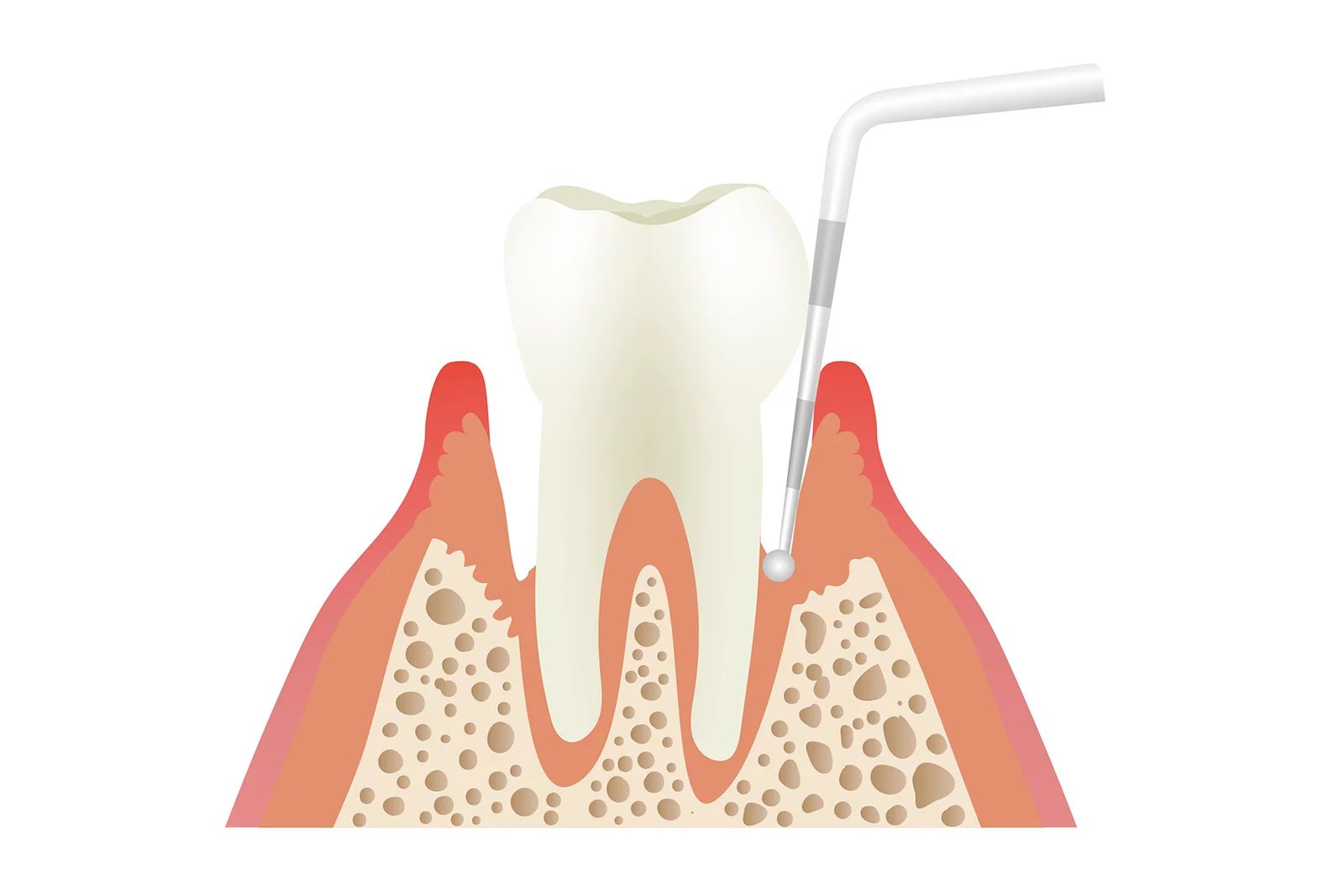
Is it all right to leave them?
A black triangle itself is not a disease. However, it makes the following more likely.
- Food gets caught easily, and plaque builds up easily
- Air escapes through the gap, which can make sounds such as "s" harder to pronounce
- When the roots of the teeth are exposed, root cavities and sensitivity are more likely
Also, if gum disease is the cause, the gum disease itself needs treatment. If gaps suddenly become more noticeable, have your gums checked to see whether gum disease is progressing.
Daily care to keep the gaps from widening
- Use interdental brushes (choosing a size that fits the gap is important)
- Gently brush where the teeth meet the gums with a soft toothbrush
- Do not scrub hard
- Protect exposed roots from cavities with fluoride toothpaste
- Have your gums checked at regular checkups
An interdental brush that is too tight can injure the gums, and one that is too loose will not remove plaque. At your checkup, we will advise on a size that fits your gaps.
Ways a dental clinic can improve them
If the appearance bothers you, we consider options such as the following, depending on the cause and size of the gap.
- Direct bonding: adding white resin to the teeth to make the gap less noticeable
- Ceramic crowns and porcelain veneers: reshaping the teeth to fill the gap
- Orthodontic treatment: adjusting the position or tilt of the teeth, or slightly reshaping the sides of the teeth (IPR) to bring them together
- Gum procedures: adding gum volume, for example with a gum graft (suitable only in limited cases)
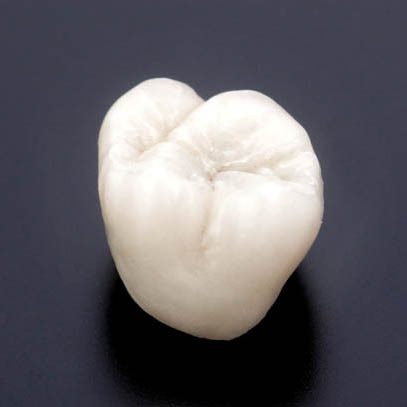
Every option has its benefits and points to note, and not every gap can be closed completely. We will look at the condition of your mouth and suggest a suitable option.
What not to do if the gaps bother you
Poking hard at food caught in a gap with a toothpick, or trying to remove it with your fingernail, can injure the gums and cause them to recede further. Remove it gently with an interdental brush or floss.
Summary: if they bother you, start by checking the cause
Black triangles are caused by gum disease, age, tooth shape and other factors. Because plaque builds up more easily, daily care becomes even more important. If you have recently noticed gaps or feel your gums are receding, please feel free to consult us.
ESCA Dental & Orthodontic Clinic is in the ESCA underground shopping mall, a 1-minute walk from the Shinkansen exit of JR Nagoya Station. Appointments by phone (+81-52-452-1255), online booking (Japanese) or LINE.
Main risks and side effects
- Methods that add resin or ceramic to teeth may require slight reshaping of the teeth, and the material may chip or discolor
- Surgical procedures such as gum grafts can cause swelling, pain and bleeding, and results vary from person to person
- Orthodontic treatment can cause pain as teeth move, shortening of tooth roots, relapse and so on
Direct bonding, ceramics and orthodontic treatment are self-paid treatment (not covered by insurance). Please see our fee table for standard fees.
Frequently asked questions
Q. Do black triangles go away on their own?
Receded gums almost never return to their original position on their own. However, once gum inflammation settles, the condition may stabilize. Care that keeps the gaps from widening is important.
Q. Can orthodontic treatment cause black triangles?
When teeth were overlapping, gaps may become visible after they are aligned. We explain this possibility before treatment and, if needed, consider measures such as slightly reshaping the sides of the teeth (IPR).
Q. Can they be treated under insurance?
Gum disease treatment is covered by Japanese public health insurance, but resin, ceramics, orthodontics and other treatments to improve appearance are often self-paid (not covered by insurance). Please ask us for details.
Medical review
This article was reviewed by Katsuaki Takeuchi, DDS (Director; Board-certified oral surgeon, Japanese Society of Oral and Maxillofacial Surgeons), ESCA Dental & Orthodontic Clinic. It provides general information; please consult a dentist about your own condition.
Appointments and questions
Mon–Fri 10:00–13:00 / 14:30–19:30 · Sat & Sun 10:00–13:00 / 14:00–18:00 (open every other Sunday) · Closed on national holidays. Our staff mainly speak Japanese.