
Do Fillings and Crowns Last a Lifetime? Signs of Wear and Care
Published: 2026-11-05 · Updated: 2026-11-22 · Medically reviewed by Katsuaki Takeuchi, DDS (Director; Board-certified oral surgeon, Japanese Society of Oral and Maxillofacial Surgeons)
What you will learn
- What happens when fillings and crowns deteriorate
- Why "it has not come out" does not mean "it is fine" (secondary decay)
- How materials differ, and tips for making them last
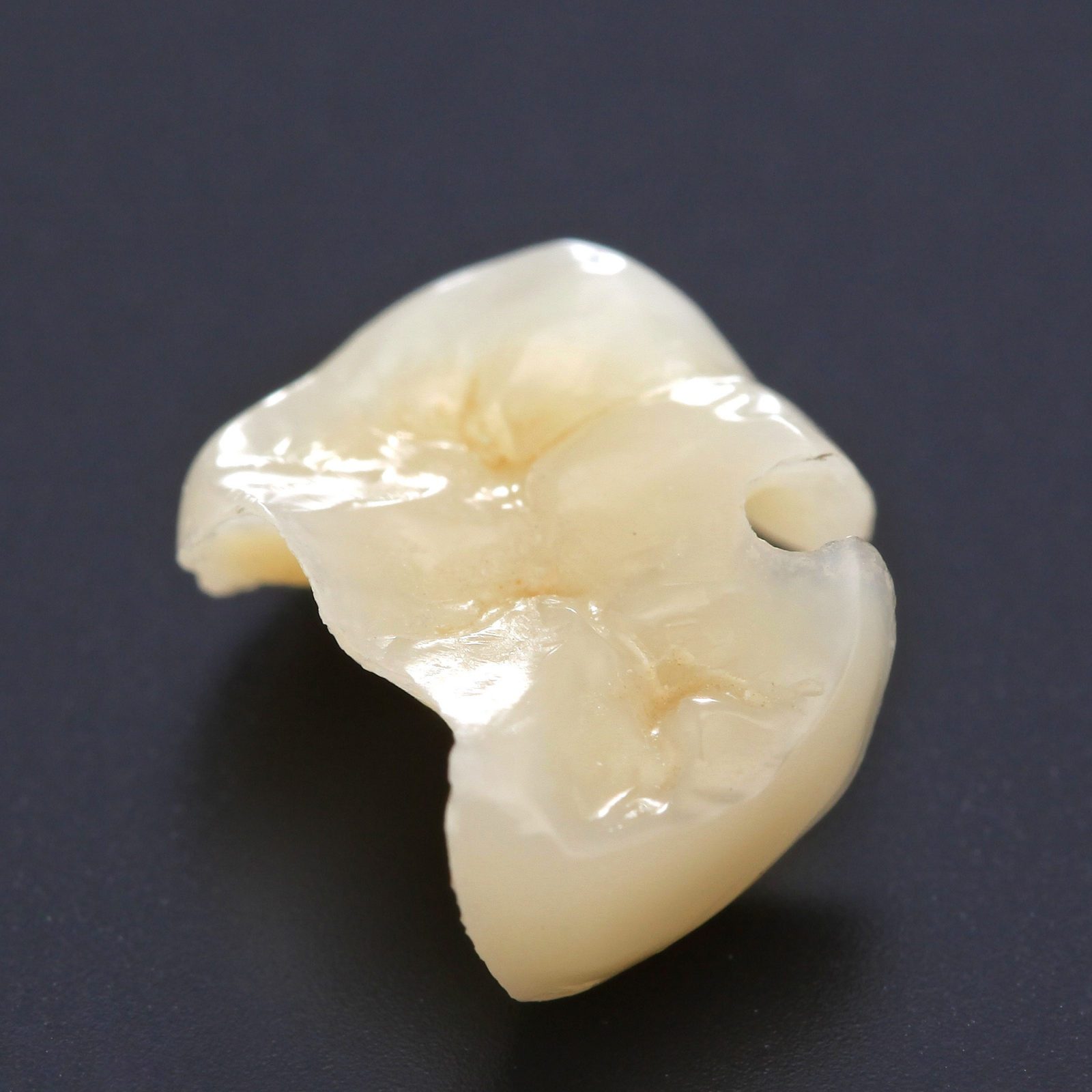
Many people think that once a filling or crown has been placed after cavity treatment, it will last forever.
In fact, depending on the material and how it is used, fillings and crowns generally deteriorate gradually over several years to a decade or more. In this article, we explain what happens when they deteriorate and share tips for making them last.
What happens when fillings and crowns deteriorate?
Biting force from daily meals, and repeated expansion and contraction from hot and cold foods, gradually build up strain at the edge where the filling or crown meets the tooth.
- A gap too small to see forms between the restoration and the tooth
- The adhesive (cement) bonding it to the tooth weakens
- Bacteria enter through the gap and decay comes back underneath (secondary decay)
- It wears down, chips or comes out
"It has not come out" does not mean "it is fine"
Even if decay progresses under a filling or crown, it cannot be seen from above, so it may grow without being noticed. Teeth whose nerves have been removed feel little pain, and it is not uncommon for the decay inside to be quite advanced by the time the restoration comes out.
Consult us early if: the area around a filling looks dark, cold things cause sensitivity, floss catches, or biting feels strange.
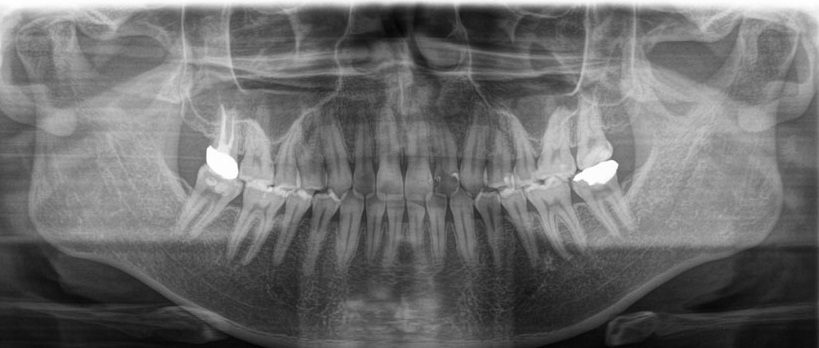
How long they last and their features differ by material
Insurance-covered fillings and crowns (metal, plastic and so on)
These use silver-colored metal, white plastic (resin) and similar materials. They keep costs down, but metal can corrode over time and gaps may form more easily. Plastic is a material that tends to discolor and wear.
Self-paid fillings and crowns (ceramic, zirconia, gold and so on)
Ceramic and zirconia are materials that resist plaque and staining. Gold has the property of adapting well to the tooth. However, no material lasts a lifetime; how long it lasts depends on your bite, grinding and daily care.
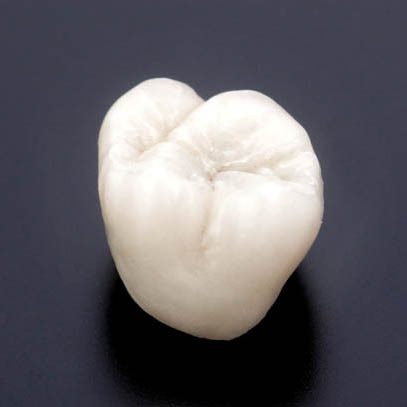
Tips for making fillings and crowns last
- Brush carefully so no plaque is left at the edges
- Keep the spaces between teeth clean with dental floss and interdental brushes
- If you grind or clench your teeth, consider a nighttime mouthguard (night guard)
- Do not bite hard on ice or other hard things
- Have the edges checked for gaps and wear at a regular checkup about once every 3 to 6 months
At regular checkups at the dental clinic, we check for gaps, chips and returning decay, and repair them early if needed. Dealing with problems while they are small also means less tooth needs to be removed.
When to consider replacement
Replacing a filling or crown is not decided just because it is old. We consider it together with the condition of the tooth when there is a reason, such as a gap or secondary decay, a chip, a bite that no longer fits, concern about appearance (color or shape), or concern about metal allergy.
There is no need to rush to replace fillings or crowns that have no problems. Each replacement means removing a little more tooth, so it is important to decide whether to keep using the current one or which material to replace it with after hearing both the benefits and the points to note. At our clinic, we explain the current condition while showing you X-ray and intraoral scanner images.
Daily eating and habits also affect how long they last
Habits such as biting through hard foods with your front teeth, crunching hard candy, or grinding and clenching put heavy force on fillings and crowns. Some habits are hard to notice yourself, so at checkups we may also look at how your teeth are worn to see whether you have such habits.
Summary: checking them after placement protects your teeth
Regular checks remain important after fillings and crowns are placed. Even if nothing has come out, please consult us early if anything concerns you.
ESCA Dental & Orthodontic Clinic is in the ESCA underground shopping mall, a 1-minute walk from the Shinkansen exit of JR Nagoya Station. Appointments by phone (+81-52-452-1255), online booking (Japanese) or LINE. We welcome appointments to check your fillings and crowns or to discuss replacing them.
Main risks and side effects
- Replacing fillings and crowns requires drilling the tooth to remove the old one
- Ceramics can chip or crack under strong force, and we may recommend a night guard for people who grind their teeth
- If decay is deep, treatment of the nerve (root canal treatment) may be needed
Self-paid fillings and crowns such as ceramic are self-paid treatment (not covered by insurance). Please see our fee table for standard fees.
Frequently asked questions
Q. Can a silver crown be replaced with ceramic?
Yes. However, depending on the condition of the tooth and your bite, we may not recommend it. We examine your teeth and explain the benefits and points to note of each material.
Q. What should I do if a filling comes out?
Please do not throw it away; bring it with you. It can sometimes be reused. The exposed area is prone to cavities, so please book an appointment as soon as possible.
Q. What is the difference between insurance-covered and self-paid fillings?
The materials available are different. Insurance mainly covers metal and plastic, while self-paid treatment lets you choose ceramic, zirconia, gold and so on. They differ in appearance, how easily plaque sticks to them and cost, so please consult us about your wishes.
Related pages
Medical review
This article was reviewed by Katsuaki Takeuchi, DDS (Director; Board-certified oral surgeon, Japanese Society of Oral and Maxillofacial Surgeons), ESCA Dental & Orthodontic Clinic. It provides general information; please consult a dentist about your own condition.
Appointments and questions
Mon–Fri 10:00–13:00 / 14:30–19:30 · Sat & Sun 10:00–13:00 / 14:00–18:00 (open every other Sunday) · Closed on national holidays. Our staff mainly speak Japanese.