
How Many Times Should You Rinse After Brushing? Keep the Fluoride
Published: 2026-10-07 · Updated: 2026-11-22 · Medically reviewed by Katsuaki Takeuchi, DDS (Director; Board-certified oral surgeon, Japanese Society of Oral and Maxillofacial Surgeons)
What you will learn
- Why you should not rinse many times after brushing
- What fluoride does, and how to use it for each age
- Brushing tips to get more benefit from fluoride
How many times do you rinse after brushing your teeth? Many people rinse thoroughly several times because they do not like toothpaste left in their mouth.
In fact, rinsing a lot after brushing also washes away the fluoride in your toothpaste. This article explains how to rinse so that fluoride stays in your mouth.
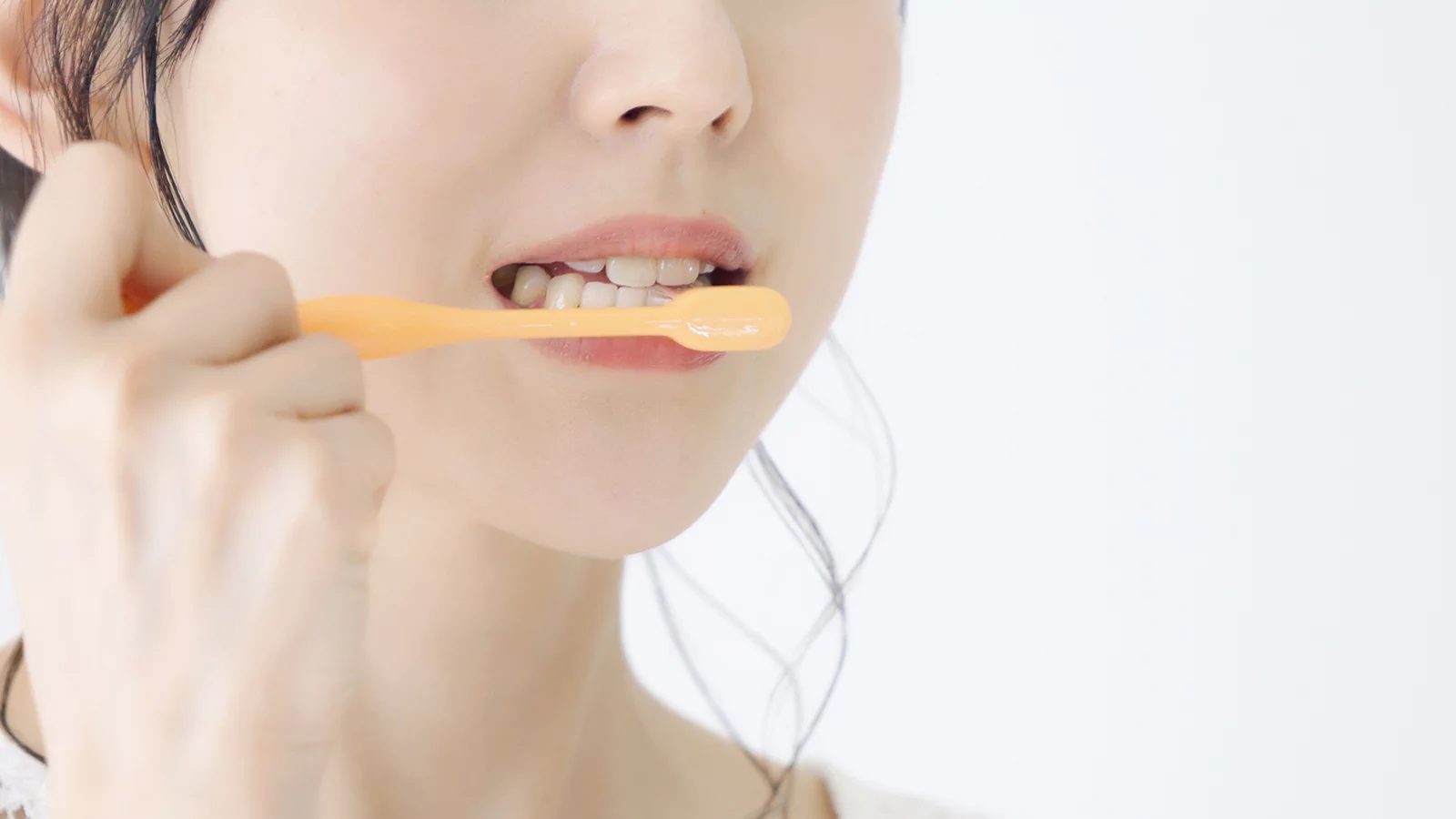
What does fluoride do?
Most toothpastes contain fluoride. Fluoride helps prevent tooth decay in the following ways.
- Helps remineralization: it helps return minerals such as calcium, lost to acid, back into the tooth
- Strengthens teeth: it makes the tooth surface more resistant to acid
- Suppresses bacteria: it weakens the ability of decay-causing bacteria to produce acid
Fluoride works by staying on the tooth surface for a while. That is why it is important to keep as much of it in your mouth as possible after brushing.
Rinse once with a small amount of water
When you finish brushing, we recommend rinsing lightly just once with about 10-15 mL of water. That is about two bottle caps from a plastic drink bottle.
It may seem like very little, but it keeps fluoride in your mouth much better than rinsing many times with lots of water.
Avoid eating and drinking for about 1-2 hours after rinsing so that fluoride stays in your mouth longer. Brushing before bed is especially effective.
Toothpaste amount and fluoride concentration by age
Dental societies in Japan recommend the following use according to age (2023).
- From the first tooth to age 2: a grain of rice (1-2 mm), fluoride 1,000 ppm
- Ages 3-5: the size of a green pea (5 mm), fluoride 1,000 ppm
- Age 6 to adults: about the length of the brush head bristles (1.5-2 cm), fluoride 1,400-1,500 ppm
For children, parents should adjust the amount so they do not swallow too much toothpaste. For small children who cannot rinse yet, simply wiping lightly with gauze is fine.

Brushing tips to get more from fluoride
- Put the right amount of toothpaste on the brush and spread it over all your teeth as you brush
- Take 2-3 minutes and brush every area carefully
- After brushing, spit out the toothpaste lightly and rinse once with a small amount of water
- Clean between teeth with floss or interdental brushes
- Combine with professional high-concentration fluoride application at the dental clinic
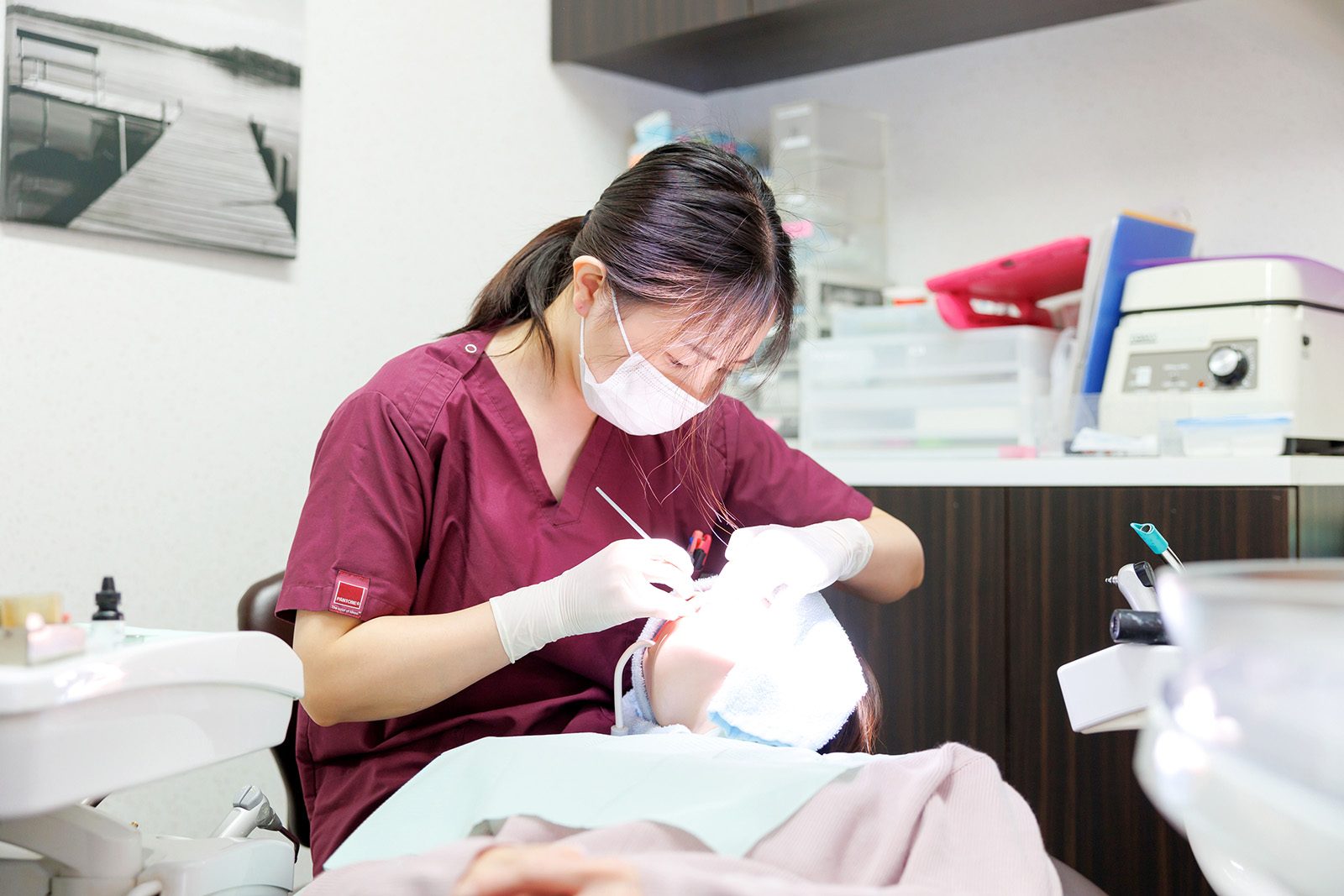
Fluoride is especially recommended for these people
- People who get cavities easily or have many treated teeth
- People whose gums have receded and whose tooth roots are showing (roots decay easily)
- People wearing dental appliances or brackets, where plaque tends to be left behind
- Children with newly erupted permanent teeth (new teeth are weak against acid)
For these people, combining daily fluoride toothpaste with professional fluoride application and a fluoride mouth rinse is more effective.
Brushing before bed matters most
Saliva decreases while you sleep, so bacteria in the mouth multiply more easily. Brushing carefully before bed and rinsing once with a little water to keep the fluoride in place lowers the risk of decay overnight.
Summary: a small change in rinsing helps prevent decay
Brushing is not only about removing plaque; making good use of the fluoride in toothpaste also helps prevent decay. Starting today, try changing from "rinsing many times" to "one rinse with a little water". If you have questions about how to brush or which toothpaste to choose, please ask us at your checkup.
ESCA Dental & Orthodontic Clinic is in the ESCA underground shopping mall, a 1-minute walk from the Shinkansen exit of JR Nagoya Station. Appointments by phone (+81-52-452-1255), online booking (Japanese) or LINE.
Frequently asked questions
Q. I do not like the taste of toothpaste left in my mouth. What can I do?
Choosing a toothpaste with less foam and a milder flavor makes it less noticeable even with little rinsing. Get used to it gradually.
Q. How should I use a mouthwash?
Using a fluoride mouthwash at a different time from brushing (for example, after lunch) increases how often your teeth are exposed to fluoride. Follow the product instructions.
Q. Is fluoride bad for the body?
The fluoride in toothpaste is safe when used in the amount recommended for your age. For small children, parents should adjust the amount so they do not swallow too much.
Related pages
Medical review
This article was reviewed by Katsuaki Takeuchi, DDS (Director; Board-certified oral surgeon, Japanese Society of Oral and Maxillofacial Surgeons), ESCA Dental & Orthodontic Clinic. It provides general information; please consult a dentist about your own condition.
Appointments and questions
Mon–Fri 10:00–13:00 / 14:30–19:30 · Sat & Sun 10:00–13:00 / 14:00–18:00 (open every other Sunday) · Closed on national holidays. Our staff mainly speak Japanese.