
What Is Root Canal Treatment? When It Is Needed, Visits, Prevention
Published: 2026-08-04 · Updated: 2026-11-22 · Medically reviewed by Katsuaki Takeuchi, DDS (Director; Board-certified oral surgeon, Japanese Society of Oral and Maxillofacial Surgeons)
What you will learn
- What root canal treatment is and when it is needed
- The treatment steps and a guide to the number of visits
- Daily prevention so you do not need root canal treatment
If you have been told you need treatment of the root, you may be worried about what it involves.
This article explains what root canal treatment is, when it is needed, and key points for preventing the need for it.
What is root canal treatment?
Inside each tooth is a part called the pulp, which contains nerves and blood vessels, and the channel it runs through is called the root canal. When the pulp becomes inflamed or infected with bacteria because of decay or injury, root canal treatment removes that tissue, cleans the inside of the canal, fills it with medication and seals it, so that the tooth can be kept.
If left untreated, pus can collect at the tip of the root and inflammation can spread to the jawbone, and in the end the tooth may have to be removed.
When root canal treatment is needed
- Deep decay where bacteria have reached the nerve
- Strong throbbing pain even when you are doing nothing
- Pain that lingers after something cold or hot
- The nerve has died and pus has collected at the tip of the root (swollen gums, pain when pressed)
- The nerve was damaged after the tooth was hit
When the nerve dies, the pain may temporarily disappear. It is easy to think the problem has healed because the pain has gone, but infection may be progressing inside, so be careful.
Treatment steps and a guide to the number of visits
- Examination: we check the shape of the roots and the spread of pus with X-rays and, if needed, CT
- Under local anesthesia, we remove the decay and the infected nerve
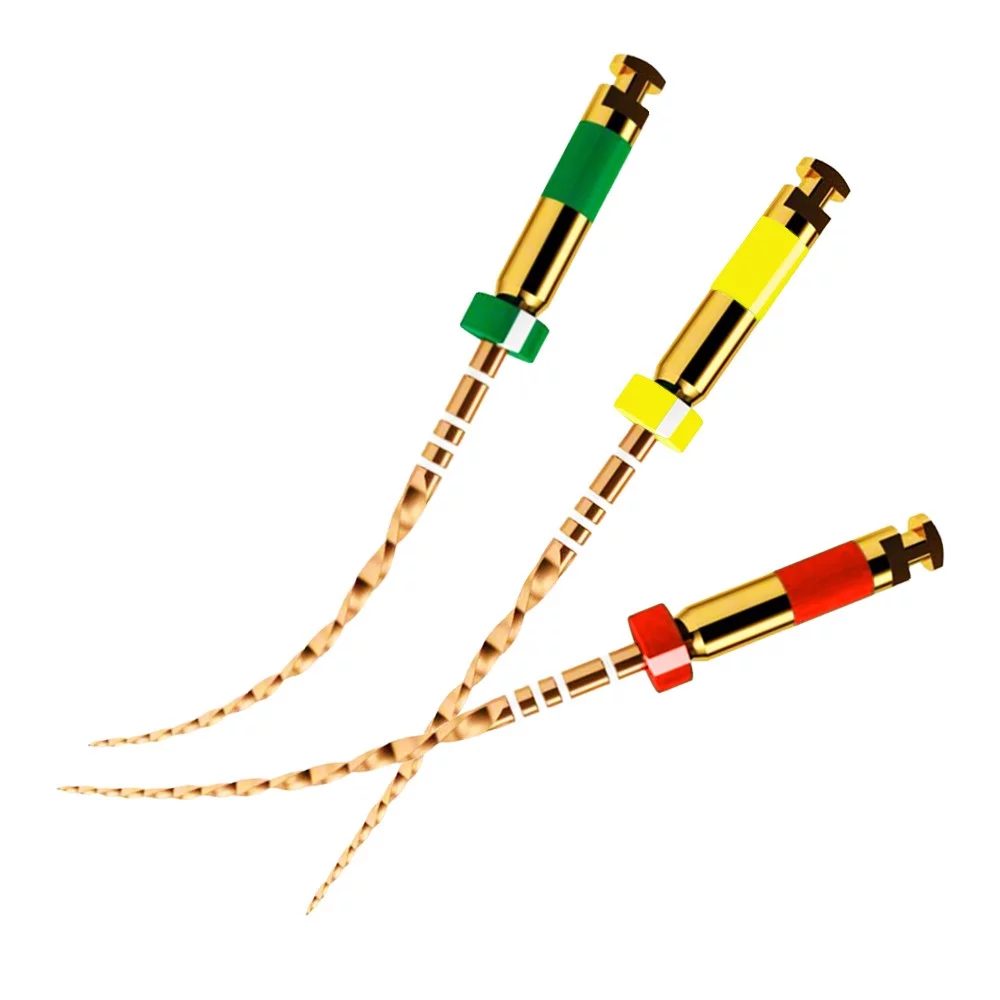
- We clean the inside of the canal with special instruments (such as nickel-titanium files) while rinsing it with medication
- We fill the canal with material and seal it
- We build a core and place a crown so you can chew again
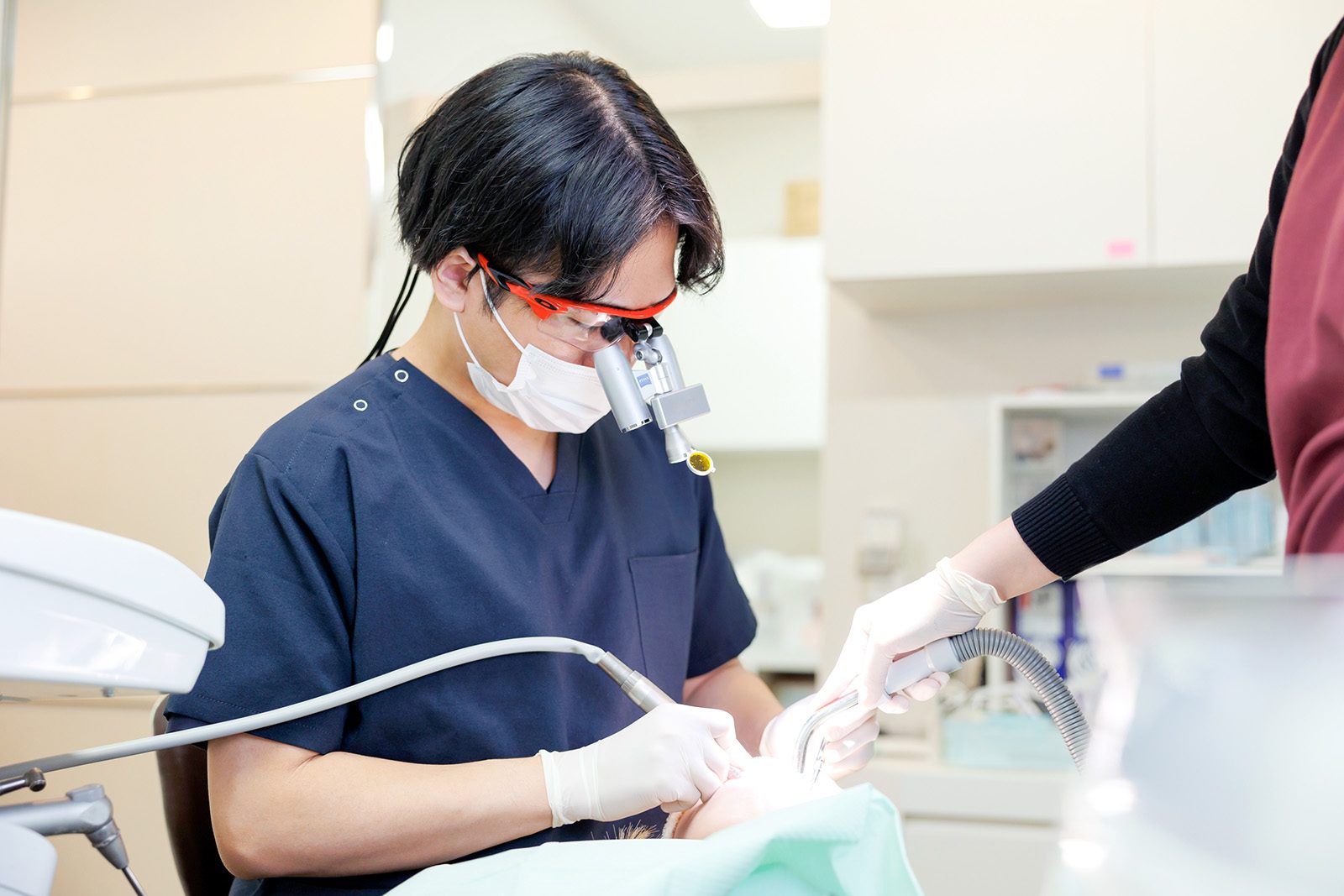
The number of visits is generally about 2-5. If the infection is severe or the roots have a complex shape, more visits may be needed. At our clinic, we work while viewing fine details through high-magnification loupes and use a rubber dam (a rubber sheet that keeps saliva out) and other measures to keep bacteria from getting in.
If you stop coming partway through treatment, bacteria can multiply inside and the condition may get worse. Even if the pain settles, please continue until treatment is finished.
Five ways to avoid needing root canal treatment
1. Brush carefully every day
Brush thoroughly, especially before bed. Pay attention to where the teeth meet the gums and to the back teeth, where plaque is often left behind.
2. Use floss and interdental brushes
The spaces between teeth are prone to decay but it is hard to notice there. Use floss or interdental brushes as well as a toothbrush.
3. Be careful with sweets and snacks
Avoid snacking all day, and do not keep sipping juice or sweet drinks. After eating, rinse your mouth or brush your teeth.
4. Make use of fluoride
Use fluoride toothpaste and, if needed, have high-concentration fluoride applied at a dental clinic.
5. Have regular checkups
Regular checkups about every 3-6 months let us find early decay and give you cleaning and brushing advice. Treating decay while it is small prevents it from reaching the nerve.
Summary: do not let decay reach the nerve
Root canal treatment is an important treatment for keeping your teeth. On the other hand, teeth whose nerves have been removed tend to become brittle, so the most important prevention is not letting decay reach the nerve in the first place. If you have ongoing tooth pain or sensitivity, or your root canal treatment has not been completed, please feel free to consult us.
ESCA Dental & Orthodontic Clinic is in the ESCA underground shopping mall, a 1-minute walk from the Shinkansen exit of JR Nagoya Station. Appointments by phone (+81-52-452-1255), online booking (Japanese) or LINE.
Main risks and side effects
- Even after root canal treatment, depending on the condition of the tooth, the problem may return or the tooth may need to be removed
- Pain or discomfort may occur for a few days after treatment
- Teeth whose nerves have been removed become brittle and break more easily; they are often reinforced with a crown
Frequently asked questions
Q. Is root canal treatment painful?
We use local anesthesia before treatment, so pain during treatment is kept under control. When inflammation is severe, anesthesia may work less well, so please tell us if you feel pain.
Q. Is root canal treatment covered by insurance?
At our clinic, root canal treatment is done under Japanese public health insurance. Using certain materials, such as MTA cement to preserve the nerve, is self-paid (not covered by insurance).
Q. The pain went away during treatment. Can I stop coming?
Even if the pain has gone, if the treatment inside the root is not finished, bacteria can multiply and the tooth can get worse again. Please continue until treatment is finished.
Related pages
Medical review
This article was reviewed by Katsuaki Takeuchi, DDS (Director; Board-certified oral surgeon, Japanese Society of Oral and Maxillofacial Surgeons), ESCA Dental & Orthodontic Clinic. It provides general information; please consult a dentist about your own condition.
Appointments and questions
Mon–Fri 10:00–13:00 / 14:30–19:30 · Sat & Sun 10:00–13:00 / 14:00–18:00 (open every other Sunday) · Closed on national holidays. Our staff mainly speak Japanese.