
Drinks During Aligner Treatment: Remove Them for Coffee and Tea?
Published: 2026-10-22 · Updated: 2026-11-22 · Medically reviewed by Katsuaki Takeuchi, DDS (Director; Board-certified oral surgeon, Japanese Society of Oral and Maxillofacial Surgeons)
What you will learn
- What you can drink with aligners in, and what to drink with them out
- Why to remove aligners for hot or sweet drinks
- Tips for enjoying drinks while keeping up your wear time
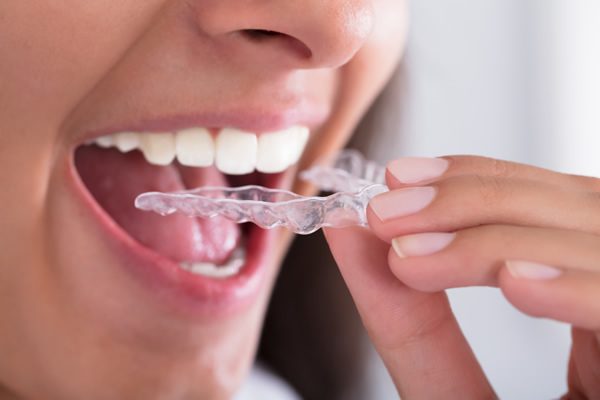
As it gets colder, hot coffee, black tea and green tea taste especially good. If you are having clear aligner treatment, you may wonder whether you can drink with your aligners in.
This article explains what to watch out for with drinks during aligner treatment and tips for keeping it up comfortably.
What you can drink with aligners in, and what to drink with them out
Basically, the only thing you should drink with your aligners in is room-temperature or cold water. For other drinks, we recommend taking your aligners out first.
- OK with aligners in: room-temperature or cold water (unsweetened sparkling water is usually fine for a short time; please check with your dentist)
- Remove first: hot drinks (coffee, black tea, green tea, soup, etc.)
- Remove first: sweet drinks (juice, sports drinks, sweetened café lattes, etc.)
- Remove first: dark-colored drinks (coffee, black tea, red wine, etc.)
Three reasons to take your aligners out before drinking
1. Heat can warp the aligners
Aligners are made of material that is sensitive to heat. If a hot drink warps their shape, the force on your teeth can differ from the plan and your teeth may not move as intended.
2. Sugar gets trapped inside the aligners
If you drink something sweet with your aligners in, sugar gets into the gap between the teeth and the aligners, where saliva cannot easily wash it away. This raises the risk of tooth decay, so be careful.
3. Aligners and teeth can stain
Coffee, black tea and green tea contain substances that cause staining. The clear aligners may turn yellowish and become more noticeable, and your teeth may become stained.
Tips for enjoying drinks while keeping up your wear time
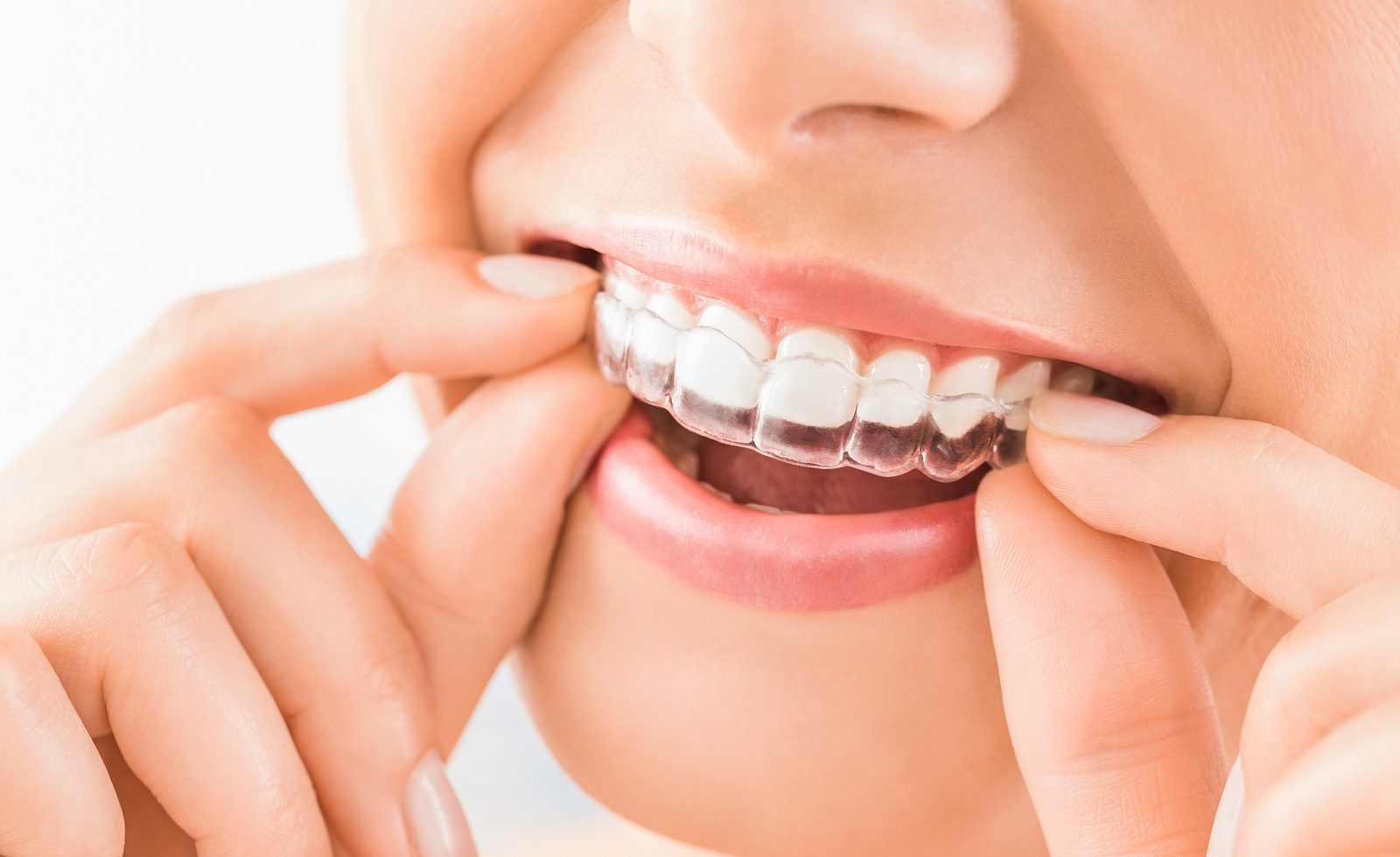
With clear aligner treatment, it is important to wear the aligners for at least 20 hours a day (as a guide). If you take them out for every drink, your wear time can become shorter without you realizing it.
- Drink coffee or tea together with your meals
- Do not sip for a long time; finish your drink within a set time
- After drinking, rinse your mouth with water and, if possible, brush before putting the aligners back in
- Put removed aligners in their case, not wrapped in a tissue (it is easy to lose them or throw them away by mistake)
When you are out and cannot brush, rinse your mouth well with water before putting your aligners back in.
Caring for your aligners is also important
Saliva and debris build up on aligners while you wear them. When you take them out, rinse them with water and gently clean them with a soft toothbrush. Washing them in hot or boiling water can warp them, so use cold or lukewarm water. If odor or dirt bothers you, you can also use a special cleaning product.
The same goes for meals during aligner treatment
Take your aligners out for meals too, and as a rule, brush your teeth before putting them back in. Wearing aligners with food debris left in your mouth keeps plaque on the tooth surface for a long time, causing tooth decay and bad breath.
Summary: with a little care, you can enjoy winter drinks too
Even during aligner treatment, you can enjoy hot drinks if you pay attention to when you take your aligners out and to your wear time. If you have questions such as whether a certain drink is OK or what to do when you are out, please feel free to ask at your appointment.
ESCA Dental & Orthodontic Clinic is in the ESCA underground shopping mall, a 1-minute walk from the Shinkansen exit of JR Nagoya Station. Appointments by phone (+81-52-452-1255), online booking (Japanese) or LINE.
Invisalign aligners are medical devices that have not been approved under Japan's Pharmaceutical and Medical Device Act. Our clinic obtains the devices from Align Technology, Inc. (USA) under the responsibility of our dentists. Some aligner-type orthodontic devices have been approved in Japan. Invisalign is cleared by the U.S. FDA and used in many countries. Because it is an unapproved device, serious side effects are not covered by Japan's relief system for adverse drug reactions.
Main risks and side effects
- During orthodontic treatment, you may feel pain or discomfort as the teeth move
- If brushing is not thorough, the risk of tooth decay and gum disease increases
- The tooth roots may become shorter (root resorption) or the gums may recede. After treatment, teeth may shift back if you do not use a retainer
Orthodontic treatment is self-paid (not covered by insurance). Fees vary depending on the appliance and treatment period, so we explain them after a detailed examination (see our fee list for standard fees).
Frequently asked questions
Q. Can I drink lukewarm drinks with my aligners in?
Even if the temperature is low, drinks containing sugar or dark-colored substances can cause decay and staining. We recommend taking your aligners out for anything other than water.
Q. How long a day can I leave my aligners out?
It depends on the appliance and treatment plan, but in many cases the guide is to wear them for at least 20 hours a day. Keep the total time out, including meals and brushing, to no more than 4 hours.
Q. What should I do if my aligner gets warped?
If you keep using it, your teeth may not move as planned. Do not try to fix it yourself; contact the clinic as soon as possible.
Medical review
This article was reviewed by Katsuaki Takeuchi, DDS (Director; Board-certified oral surgeon, Japanese Society of Oral and Maxillofacial Surgeons), ESCA Dental & Orthodontic Clinic. It provides general information; please consult a dentist about your own condition.
Appointments and questions
Mon–Fri 10:00–13:00 / 14:30–19:30 · Sat & Sun 10:00–13:00 / 14:00–18:00 (open every other Sunday) · Closed on national holidays. Our staff mainly speak Japanese.