
October 8 Is Denture Appreciation Day: Tips for Comfortable Dentures
Published: 2026-09-28 · Updated: 2026-11-22 · Medically reviewed by Katsuaki Takeuchi, DDS (Director; Board-certified oral surgeon, Japanese Society of Oral and Maxillofacial Surgeons)
What you will learn
- October 8, Denture Appreciation Day, and the work of dental technicians
- Signs that your dentures no longer fit well
- Care and regular checks for using dentures comfortably for a long time
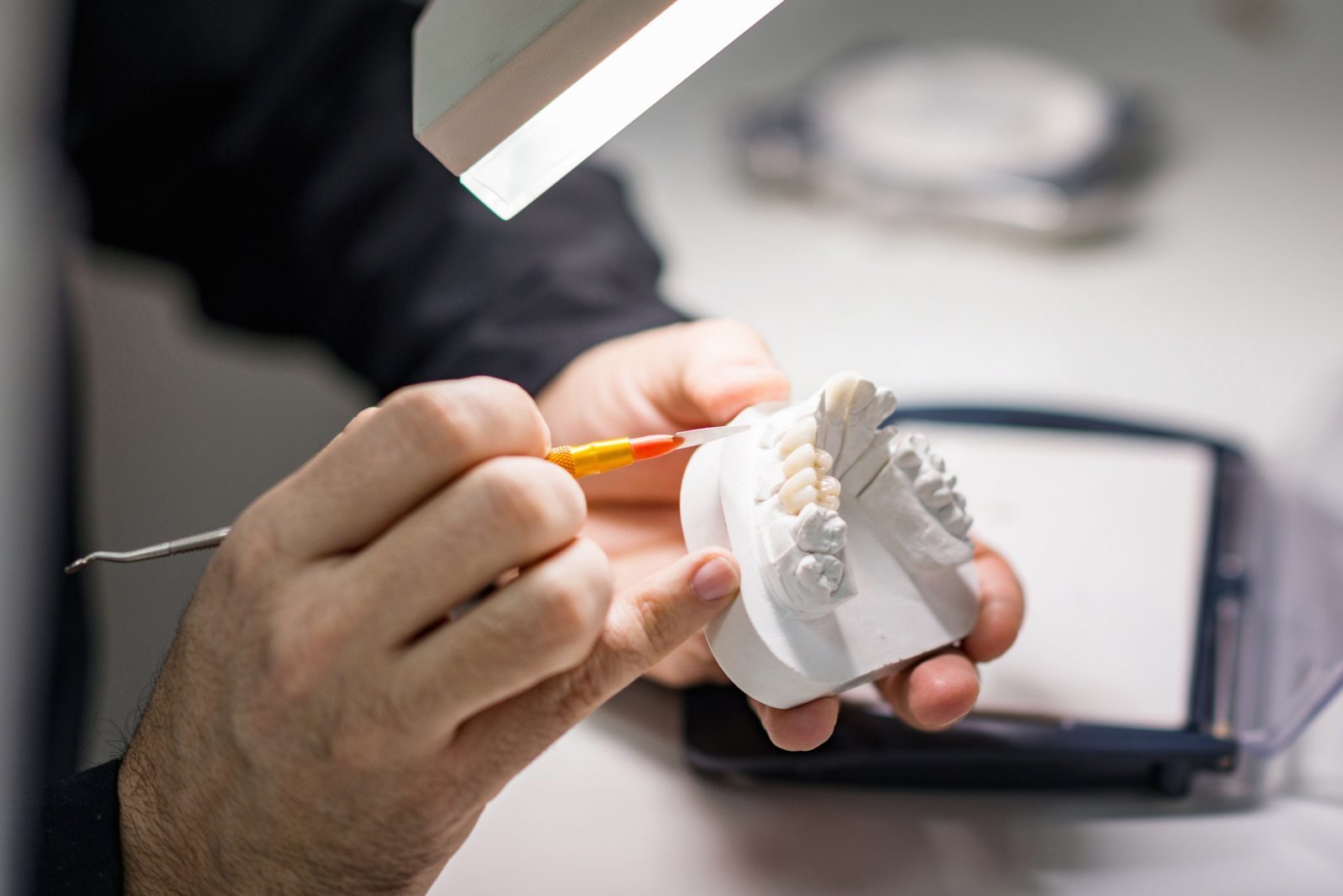
In Japan, October 8 is "Denture Appreciation Day" (also Dental Technology Day). It was established by the Japan Dental Technologists Association based on a play on words: 1-0-8 can be read as i-re-ba, the Japanese word for dentures.
This article introduces the work of dental technicians who make dentures and crowns, and tips for using dentures comfortably for a long time.
Who makes dentures?
After the dental clinic takes impressions and records your bite, dental technicians make the dentures and crowns. They make each one, partly by hand, while considering the shape of your mouth, your bite, and the balance of tooth color and shape.
They rarely meet patients directly, so they may not be well known, but they are an important part of dental care.
We work with our group's dental laboratory
ESCA Dental & Orthodontic Clinic works with the dental laboratory of the Seishokai Medical Corporation group. Dentists and dental technicians can consult each other easily, and when needed, a technician can attend your appointment and hear your wishes about color and shape directly.
Dentures are not finished once they are made
While you use dentures, your gums and jawbone gradually shrink. The dentures themselves also wear down and change shape. So dentures that fit perfectly at first gradually stop fitting.
Do you have any of these signs?
- It is harder to chew, or there are fewer foods you can eat
- They come loose easily when talking or eating
- Your gums hurt or get sore spots
- Food gets caught between the denture and your gums
- The metal clasps have loosened or the denture has cracked
If you keep forcing yourself to use dentures that do not fit, you may get sores on your gums or put strain on your remaining teeth. If something feels wrong, do not put up with it; have them adjusted at a dental clinic.

Care for using dentures comfortably for a long time
- Take them out after every meal and clean them under running water with a denture brush (do not use toothpaste, as it scratches)
- Take them out at bedtime, use a denture cleanser, and store them in water (they can warp if they dry out)
- Brush your remaining natural teeth carefully too (teeth that hold clasps are prone to decay)
- Do not wash them in hot water (it can cause warping)
- They can break if dropped, so clean them over a basin filled with water
If you use dentures, we recommend a regular check about every 3-6 months. We adjust the bite and examine your remaining teeth and gums.
There are many types of dentures
Besides dentures covered by insurance, there are many types, such as non-clasp dentures without metal clasps, metal-base dentures that can be made thinner, dentures held in place by magnets, and implant-supported dentures. Each differs in appearance, comfort when chewing and cost, so please consult us about your wishes and the condition of your mouth.
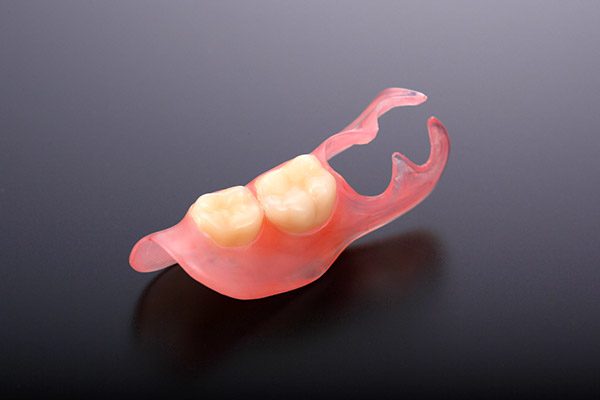
With dentures, caring for your remaining teeth and gums is important
With partial dentures, plaque tends to build up on the teeth that hold the clasps, making them prone to decay and gum disease. Protecting your remaining teeth also helps you use your dentures longer. With the dentures out, brush each remaining tooth carefully, especially the surfaces the clasps touch.
If you have full dentures, gently cleaning your gums, tongue and the inside of your cheeks with a soft brush or clean gauze helps keep your mouth clean. A clean mouth is also said to help prevent aspiration pneumonia.
Summary: use Denture Appreciation Day as a chance to check your mouth
Why not use October 8, Denture Appreciation Day, as a chance to review your own or your family's dentures and oral health? If your dentures do not fit or hurt, please feel free to consult us.
ESCA Dental & Orthodontic Clinic is in the ESCA underground shopping mall, a 1-minute walk from the Shinkansen exit of JR Nagoya Station. Appointments by phone (+81-52-452-1255), online booking (Japanese) or LINE.
Main risks and side effects
- New dentures may cause difficulty speaking, pain or discomfort until you get used to them
- The gums and jawbone shrink over time, so regular adjustment and remaking are needed
- Self-paid dentures (non-clasp dentures, metal-base dentures, etc.) may not be possible depending on the condition of your mouth
Non-clasp dentures, metal-base dentures and similar options are self-paid (not covered by insurance). Please see our fee list for standard fees.
Frequently asked questions
Q. Can I come in just to have my dentures adjusted?
Yes. We also accept requests to adjust or repair dentures made at other clinics. Please bring your dentures with you.
Q. How often do dentures need to be remade?
It depends on your mouth and how you use them, but adjustment or remaking is often needed every few years. At regular checks, we will let you know when it is time to remake them.
Q. What is the difference between dentures covered by insurance and self-paid dentures?
The materials and designs that can be used differ. Self-paid dentures offer options such as no metal clasps or a thinner base, but they cost more. We explain the advantages and points to note for each.
Related pages
Medical review
This article was reviewed by Katsuaki Takeuchi, DDS (Director; Board-certified oral surgeon, Japanese Society of Oral and Maxillofacial Surgeons), ESCA Dental & Orthodontic Clinic. It provides general information; please consult a dentist about your own condition.
Appointments and questions
Mon–Fri 10:00–13:00 / 14:30–19:30 · Sat & Sun 10:00–13:00 / 14:00–18:00 (open every other Sunday) · Closed on national holidays. Our staff mainly speak Japanese.