
Replace Your Toothbrush About Once a Month: Risks of an Old Brush
Published: 2026-10-14 · Updated: 2026-11-22 · Medically reviewed by Katsuaki Takeuchi, DDS (Director; Board-certified oral surgeon, Japanese Society of Oral and Maxillofacial Surgeons)
What you will learn
- How often to replace your toothbrush, and why
- Why some people's bristles splay in less than a month
- How to choose a toothbrush that suits you and brush gently
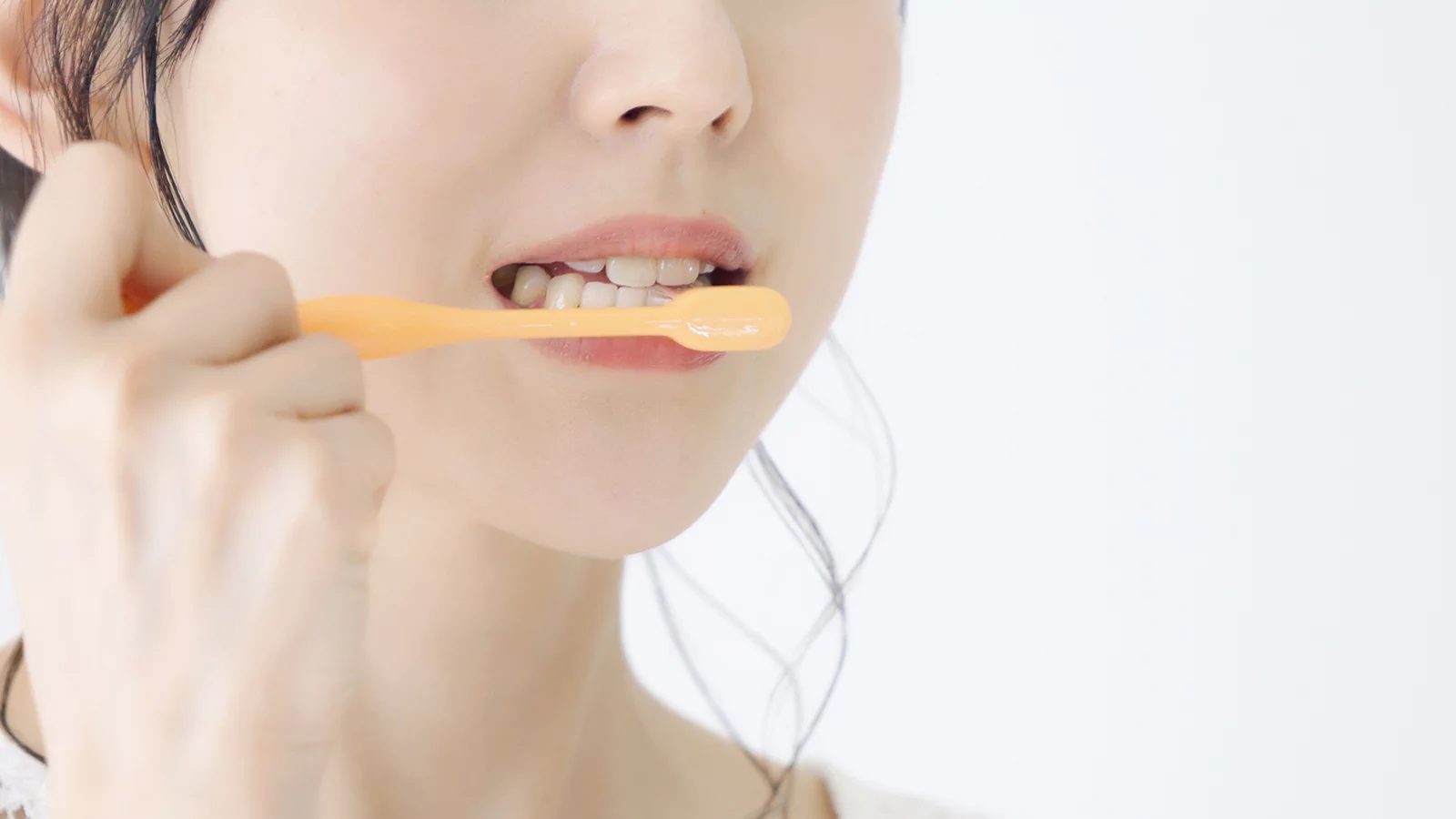
When did you last replace the toothbrush you are using now? Many people keep using one for a long time because the bristles have not splayed yet.
This article explains how often to replace your toothbrush, the risks of continuing to use an old one, and how to choose one that suits you.
Replace your toothbrush about once a month
A toothbrush is said to last about a month. Even if the bristles have not splayed, daily use reduces their springiness, weakening their ability to remove plaque from tooth surfaces and along the gumline.
What happens if you keep using an old toothbrush?
- The bristles lose springiness and remove plaque less effectively
- When bristles splay, they have trouble reaching where the teeth meet the gums
- Debris builds up at the base of the bristles and bacteria multiply more easily
Even if you think you are brushing hard, plaque left behind raises the risk of tooth decay and gum disease. Regular replacement is important to keep your daily brushing effective.
A tip for remembering: decide on a replacement day, such as the 1st or 15th of every month. Using a calendar or a smartphone reminder also helps.
If bristles splay in less than a month, you may be brushing too hard
If a new toothbrush splays within 1-2 weeks, you may be brushing with too much force. Scrubbing hard can injure the gums and make them recede, or wear down the tooth roots and cause sensitivity to cold.
Tips for brushing gently
- Hold the toothbrush lightly, like a pencil (pen grip)
- Place the bristle tips where the teeth meet the gums and move them in small strokes
- Brush one or two teeth at a time, about 10-20 strokes per area
- You do not need to press hard; plaque comes off as long as the bristle tips are in contact

How to choose a toothbrush that suits you
Firmness
For most people, medium is recommended. If your gums are swollen or bleed easily, or you tend to brush hard, a soft toothbrush is a good choice.
Head size
A small head (about the width of two upper front teeth) is recommended so it can reach the back teeth easily. For crowded teeth, combining it with a single-tuft brush reduces missed plaque.
Use floss or interdental brushes between teeth
A toothbrush alone is said to remove only about 60% of the plaque between teeth. Use dental floss or interdental brushes as well.
How to store your toothbrush hygienically
After use, rinse your toothbrush well under running water down to the base of the bristles, shake off the water, and store it head up in a well-ventilated place. Keeping it capped or putting it away wet in a drawer lets bacteria multiply. It is also important to keep family members' toothbrushes from touching each other. Let travel cases dry before using them.
If you wear braces
If you have brackets on your teeth, plaque tends to remain around them and toothbrush bristles wear out faster. Use a brush with fine bristles or a single-tuft brush around the brackets, and replace your toothbrush sooner.
Summary: keep your daily care effective with a fresh toothbrush
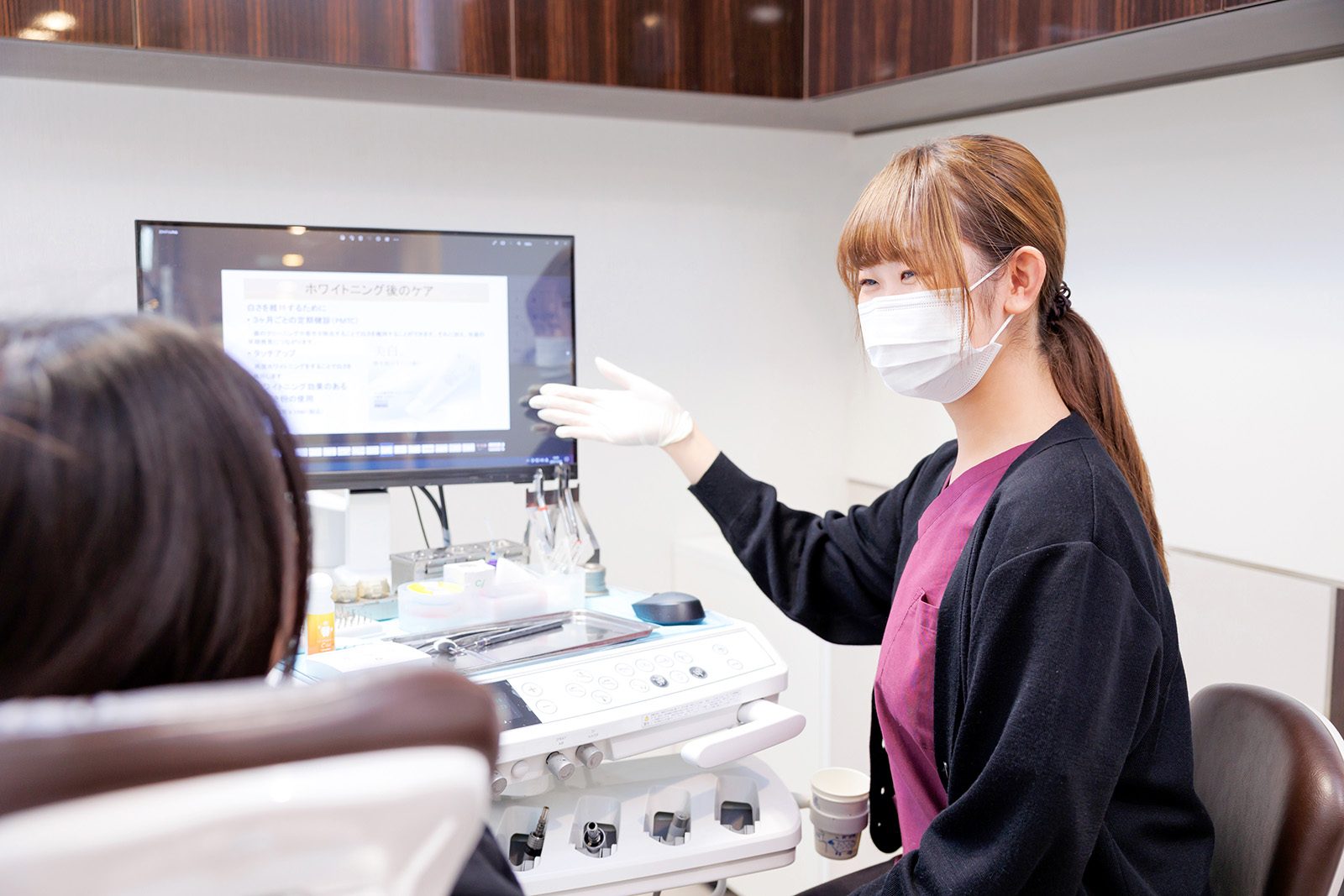
Replacing your toothbrush about once a month and brushing gently helps prevent tooth decay and gum disease. At our clinic, we also give advice on choosing a toothbrush and brushing methods suited to your tooth alignment and gum condition. If you are not sure which toothbrush suits you or would like us to check how hard you brush, please ask at your checkup.
ESCA Dental & Orthodontic Clinic is in the ESCA underground shopping mall, a 1-minute walk from the Shinkansen exit of JR Nagoya Station. Appointments by phone (+81-52-452-1255), online booking (Japanese) or LINE.
Frequently asked questions
Q. Should electric toothbrush heads also be replaced every month?
The guide varies by manufacturer, but replacement every 2-3 months is usually recommended. If the bristles start to splay, replace it sooner than the guide.
Q. Should I replace my toothbrush after a cold?
After being unwell, we recommend replacing it so you can use a fresh one. After use, rinse it well and let it dry in a well-ventilated place.
Q. Does a firm toothbrush remove plaque better?
A firm toothbrush removes plaque easily, but it is also more likely to damage the gums and tooth surface. If you tend to brush hard, medium or soft is recommended.
Related pages
Medical review
This article was reviewed by Katsuaki Takeuchi, DDS (Director; Board-certified oral surgeon, Japanese Society of Oral and Maxillofacial Surgeons), ESCA Dental & Orthodontic Clinic. It provides general information; please consult a dentist about your own condition.
Appointments and questions
Mon–Fri 10:00–13:00 / 14:30–19:30 · Sat & Sun 10:00–13:00 / 14:00–18:00 (open every other Sunday) · Closed on national holidays. Our staff mainly speak Japanese.