
Hay Fever and Your Mouth: Dry Mouth, Mouth Breathing and Itching
Published: 2026-03-25 · Updated: 2026-11-22 · Medically reviewed by Katsuaki Takeuchi, DDS (Director; Board-certified oral surgeon, Japanese Society of Oral and Maxillofacial Surgeons)
What you will learn
- How hay fever affects your mouth
- Why dry mouth and mouth breathing lead to decay and gum disease
- Oral care you can do during hay fever season

Sneezing, a runny nose, itchy eyes... Many people suffer from these symptoms during hay fever season.
Hay fever mainly affects the nose and eyes, but it can also affect the mouth. This article explains how hay fever relates to your mouth and the care you can do during this season.
Four ways hay fever affects your mouth
1. Dry mouth from medication
Antihistamines and other medicines used for hay fever can have the side effect of reducing saliva. Saliva plays an important role in washing away debris and bacteria and neutralizing acid. When saliva decreases, bacteria multiply more easily, raising the risk of tooth decay, gum disease and bad breath.
2. Mouth breathing from a blocked nose
When your nose is blocked, you naturally start breathing through your mouth. Continued mouth breathing dries the mouth and throat and weakens the action of saliva. It can also lead to a sore or uncomfortable throat and difficulty tasting food.
3. Effects on the lining of the mouth
Dryness and changes in your physical condition can make mouth ulcers more likely. Also, some people with hay fever develop oral allergy syndrome, in which the mouth or throat becomes itchy or swollen after eating certain fruits or vegetables (such as apples, peaches, melons and tomatoes).
4. Changes in your condition and swollen gums
When lack of sleep or changes in your condition lower your resistance, gum inflammation can become stronger. People with gum disease may find their gums swell more easily during this season.

Why is saliva so important?
Saliva has several functions: a self-cleaning action that washes away food debris and bacteria, a buffering action that returns the mouth to neutral after it turns acidic from eating, remineralization that repairs tooth surfaces that have started to dissolve, and an antibacterial action that suppresses the growth of bacteria.
When saliva decreases, these functions weaken and oral problems become more likely. During hay fever season, causes of reduced saliva tend to overlap, such as medication and mouth breathing (including inside a mask), so pay more attention than usual to preventing dryness.
Watch out for mouth breathing while you sleep
When your nose is blocked, your mouth tends to open during sleep and you breathe through it. If you wake up with a parched mouth, a sore throat or strong bad breath, mouth breathing during sleep may be involved.
Brushing carefully before bed, keeping water by your pillow and keeping your room humid can help. If you snore loudly or feel very sleepy during the day, sleep apnea may be involved, so please consult a medical institution.
Oral care during hay fever season
- Drink fluids often to keep your mouth moist (water or unsweetened tea is recommended)
- Encourage saliva by chewing food well, massaging your salivary glands or chewing gum
- Prevent gum disease by brushing carefully before bed and using floss or interdental brushes
- If dry mouth bothers you, use a moisturizing gel or spray
- Wear a mask to ease dryness
- If your nose is badly blocked, consult an ear, nose and throat doctor
Do not stop your hay fever medication on your own; consult your doctor or pharmacist. If you tell them that dry mouth bothers you, you may be able to discuss a different type of medicine.
See a dental clinic in these cases
- Your mouth stays dry and feels sticky, or it is hard to talk
- Mouth ulcers do not heal
- Your gums swell or bleed
- You are concerned about bad breath
If a mouth ulcer does not heal within 2 weeks, another condition may be involved, so see a doctor early.
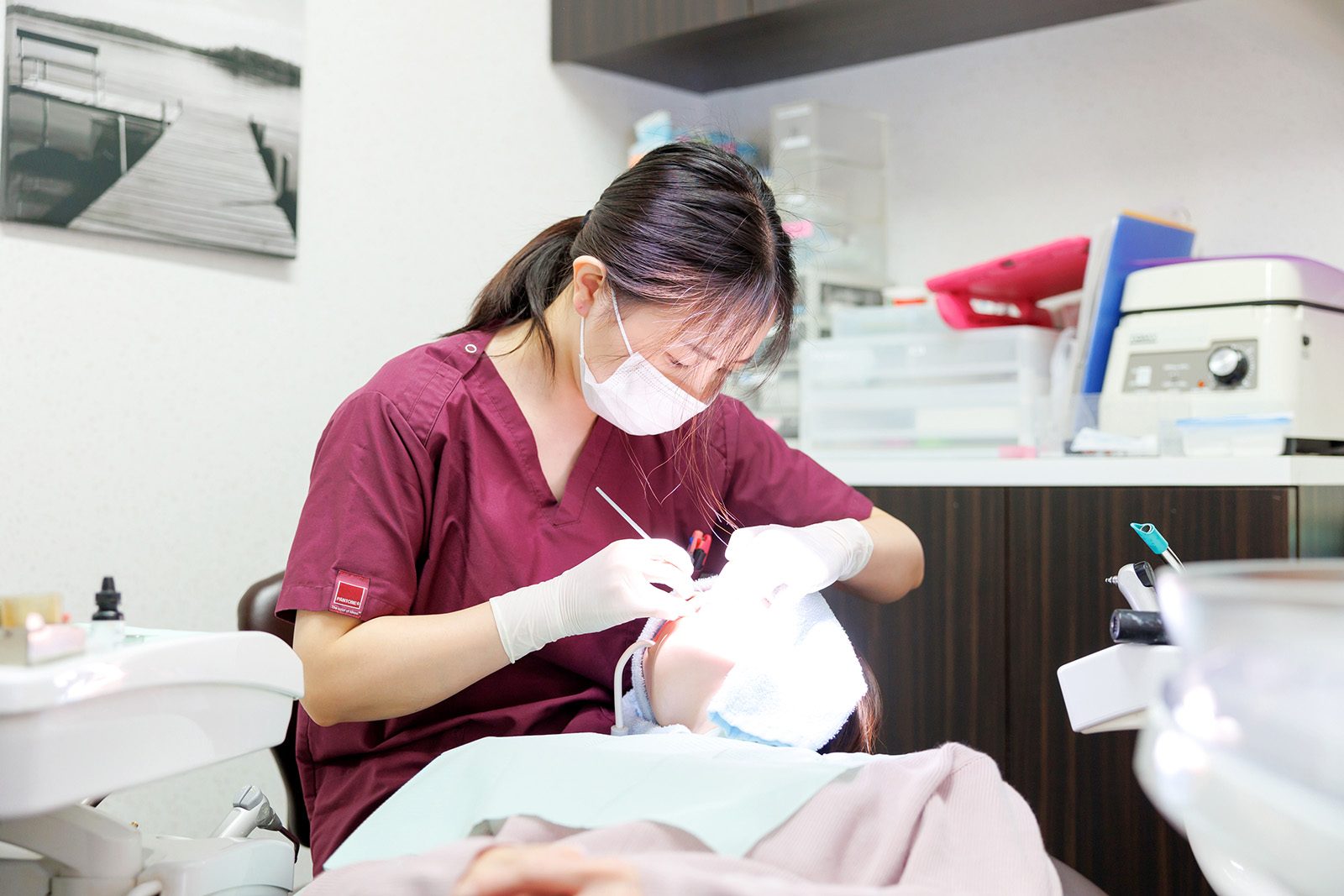
Summary: focus on preventing dryness during hay fever season
During hay fever season, medication and mouth breathing make your mouth dry, creating conditions where tooth decay, gum disease and bad breath occur more easily. Drink fluids often and take care before bed. If you have any concerns about your teeth or mouth, please feel free to consult us.
ESCA Dental & Orthodontic Clinic is in the ESCA underground shopping mall, a 1-minute walk from the Shinkansen exit of JR Nagoya Station. Appointments by phone (+81-52-452-1255), online booking (Japanese) or LINE.
Frequently asked questions
Q. Does hay fever medication make tooth decay more likely?
Some types of medication can reduce saliva. Less saliva raises the risk of tooth decay and gum disease, so drink fluids and take good care of your teeth.
Q. My mouth itches when I eat fruit.
This may be oral allergy syndrome. It is often related to hay fever, so please consult an internal medicine, ear, nose and throat, or allergy clinic.
Q. Is there a way to stop mouth breathing?
Treating a blocked nose comes first. Tooth alignment or difficulty closing the lips may also be involved, so if you are concerned, please consult a dental clinic as well.
Related pages
Medical review
This article was reviewed by Katsuaki Takeuchi, DDS (Director; Board-certified oral surgeon, Japanese Society of Oral and Maxillofacial Surgeons), ESCA Dental & Orthodontic Clinic. It provides general information; please consult a dentist about your own condition.
Appointments and questions
Mon–Fri 10:00–13:00 / 14:30–19:30 · Sat & Sun 10:00–13:00 / 14:00–18:00 (open every other Sunday) · Closed on national holidays. Our staff mainly speak Japanese.