
Preventing Tooth Decay in Autumn: Enjoy Snacks and Protect Teeth
Published: 2026-11-20 · Updated: 2026-11-22 · Medically reviewed by Katsuaki Takeuchi, DDS (Director; Board-certified oral surgeon, Japanese Society of Oral and Maxillofacial Surgeons)
What you will learn
- Why eating sweets makes tooth decay more likely
- Why how often and how long matter more than how much (continuous snacking)
- Four habits to start today while enjoying autumn flavors
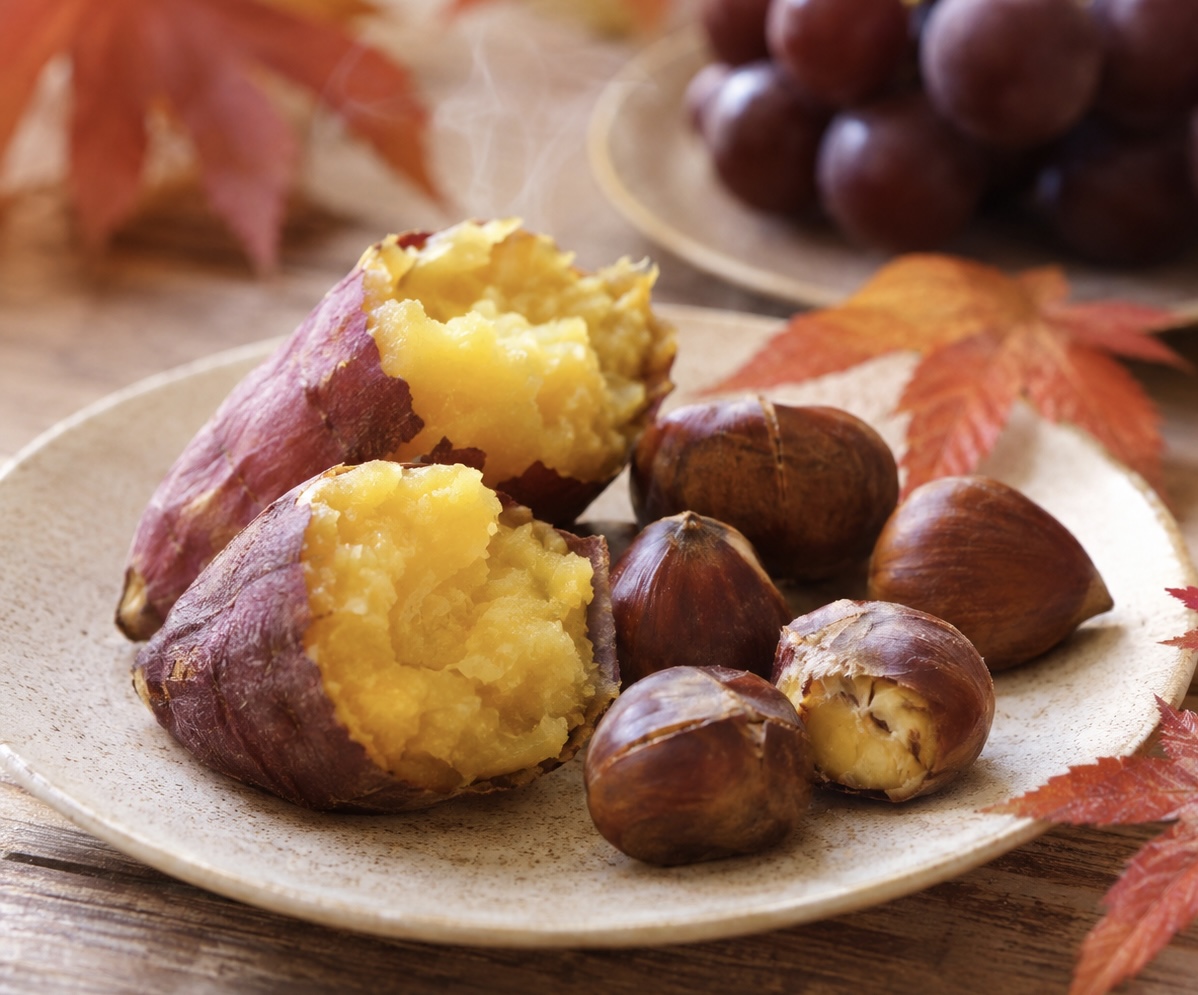
In Japan, autumn is known as the season of appetite. Sweet potatoes, chestnuts, pumpkins, grapes and persimmons are in season and delicious. Many people also look forward to autumn-only sweets and snacks.
On the other hand, with more chances to eat sweet things, this season can also raise the risk of tooth decay. This article shares tips for protecting your teeth while enjoying autumn flavors without holding back.
Why do sweets cause tooth decay?
Tooth decay progresses when bacteria in the mouth (decay-causing bacteria) use the sugar in food to produce acid, which dissolves the tooth surface (enamel).
However, eating something sweet does not immediately cause decay. The risk of decay depends greatly not only on how much you eat but also on how often you eat and how long sugar stays in your mouth.
Teeth repeatedly dissolve and recover
When you eat, your mouth becomes acidic and minerals such as calcium dissolve out of the tooth surface. This is called demineralization.
A while after eating, saliva neutralizes the acid and returns the dissolved minerals to the teeth. This is called remineralization. Your teeth go through this cycle of demineralization and remineralization every day.
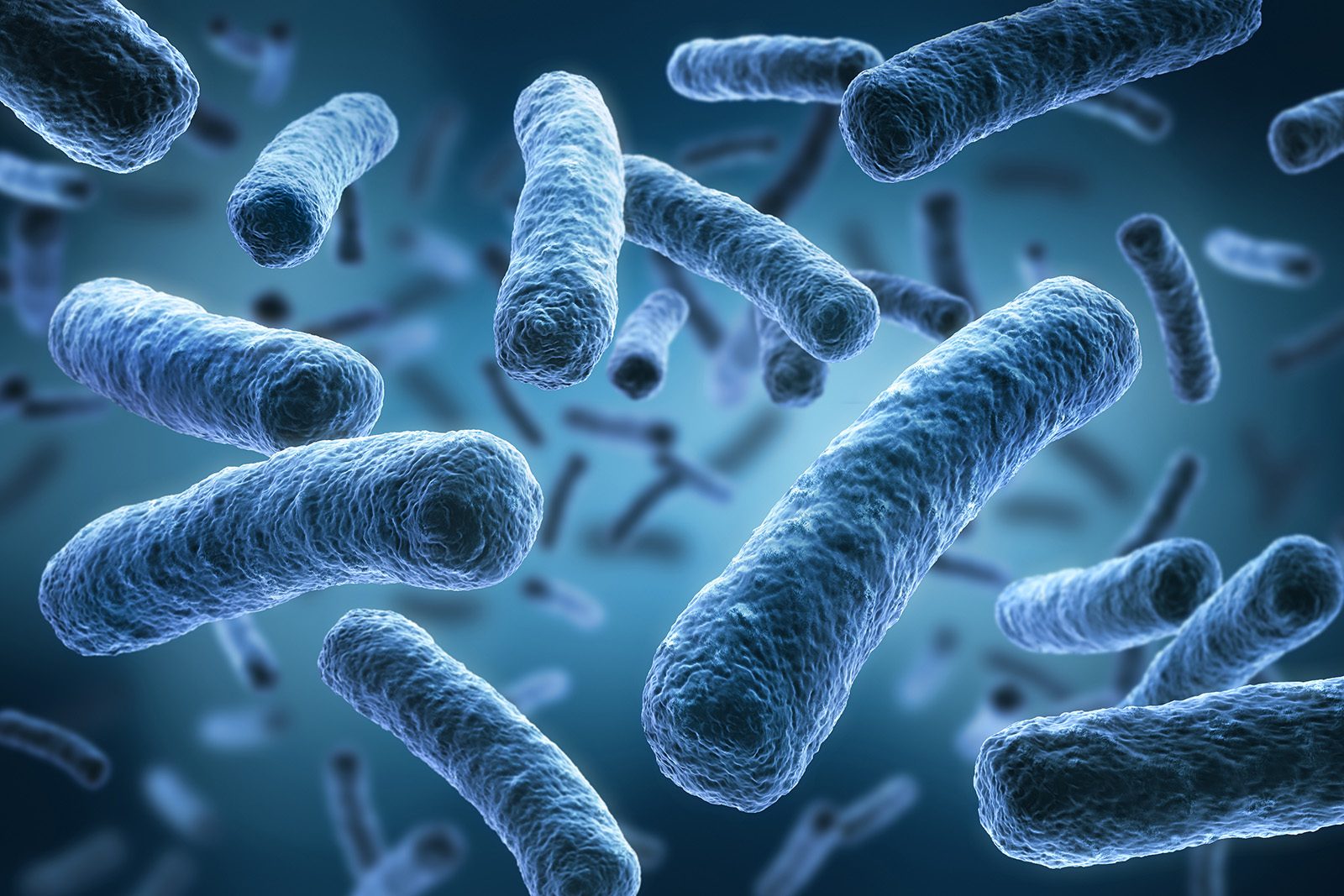
A major cause of decay is continuous snacking
If you keep nibbling sweets over a long time or keep sipping sweet drinks, your mouth stays acidic for longer. Remineralization cannot keep up, and your teeth spend more time dissolving.
Even with the same amount of sweets, finishing them within a set time puts less burden on your teeth. Creating "no-eating time" is an important point in preventing decay.
Key point: have snacks at a set time and stop when you finish. After eating, rinse your mouth with water or unsweetened tea.
Things to watch when enjoying autumn flavors
Autumn foods such as sweet potatoes, chestnuts, persimmons and grapes contain dietary fiber and vitamins along with their natural sweetness. However, natural sweetness still contains sugar, so these foods can still cause decay.
Be especially careful with sweets that stick to teeth, such as sweet potato desserts or chestnut confections with added sugar, and caramels, as they tend to remain on tooth surfaces and between teeth. If you cannot brush after eating, simply drinking water or rinsing your mouth reduces the sugar left in your mouth.
Four habits for preventing decay, starting today
1. Set snack times
Reducing how often you snack and avoiding continuous snacking shortens the time your teeth are exposed to acid. For children's snacks too, we recommend once or twice a day at set times.
2. Be careful with drinks
Juice, sports drinks and sweetened café lattes or milk tea also contain a lot of sugar. Avoid sipping them slowly over a long time, and choose water or unsweetened tea for everyday hydration.
3. Use fluoride toothpaste and floss
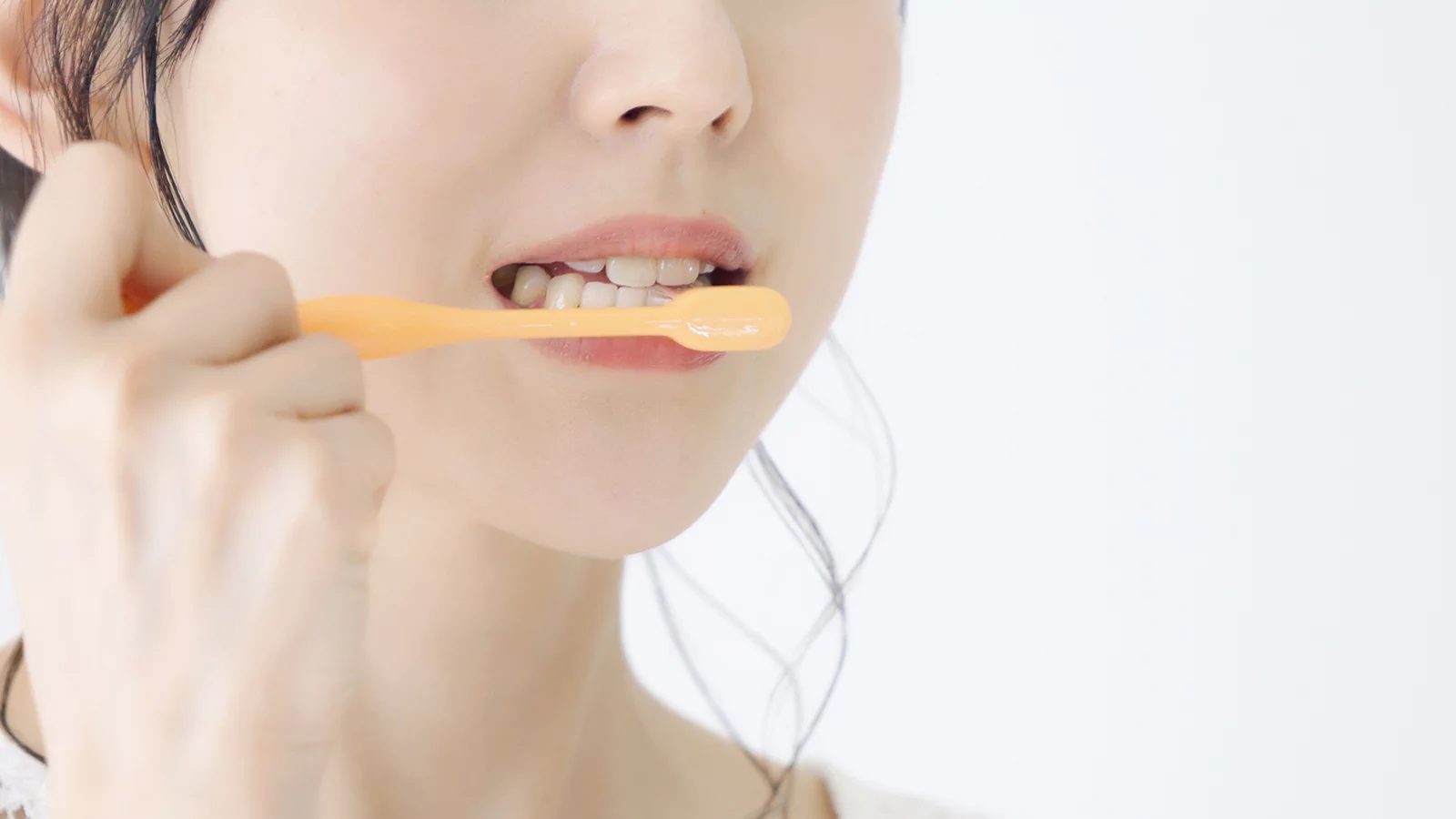
Fluoride helps remineralization and makes teeth more resistant to acid. Use a fluoride toothpaste with a concentration suited to your age. A toothbrush alone cannot fully remove plaque between teeth, so we recommend also using dental floss or interdental brushes.
4. Have regular dental checkups
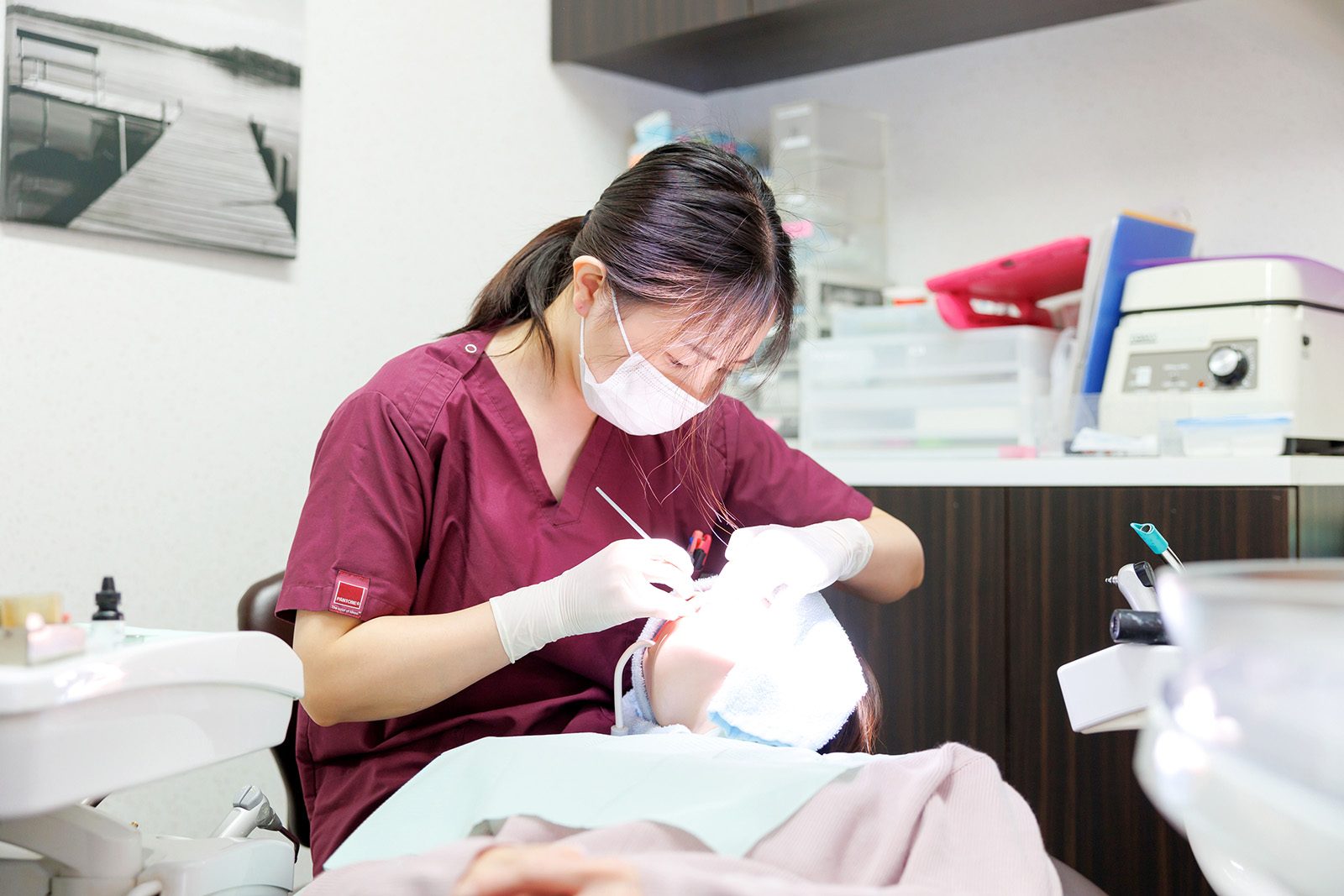
Early decay usually has no symptoms such as pain. Regular checkups at a dental clinic can find decay early and sometimes allow it to be managed at a stage where drilling is not needed.
At the dental clinic, we also clean away plaque that everyday brushing cannot fully remove and give brushing advice suited to your mouth.
Summary: enjoy autumn food with healthy teeth
You do not need to give up all sweets to prevent tooth decay. What matters is being aware of when and how often you eat, and continuing daily brushing and regular checkups.
Feel free to drop in for a checkup on your way home from work or while shopping. ESCA Dental & Orthodontic Clinic is in the ESCA underground shopping mall, a 1-minute walk from the Shinkansen exit of JR Nagoya Station. Appointments by phone (+81-52-452-1255), online booking (Japanese) or LINE.
Frequently asked questions
Q. Should I brush right after eating sweets?
Brushing after meals is important. If you cannot brush right away, just drinking water or tea or rinsing your mouth reduces the sugar left in your mouth. Right after acidic drinks (carbonated drinks, fruit juice, etc.), the tooth surface may be softened, so wait a little before brushing gently.
Q. Does the sweetness of fruit not cause decay?
Fruit also contains sugar, so it can still cause decay. However, if you are careful about how often and how long you eat and rinse your mouth afterward, you can enjoy it while keeping the risk of decay down.
Q. How often should I have checkups?
It depends on your mouth, but about every 3-6 months is a guide. For people at higher risk of decay or gum disease, we may recommend a slightly shorter interval. We will suggest an interval that suits you at your checkup.
Related pages
Medical review
This article was reviewed by Katsuaki Takeuchi, DDS (Director; Board-certified oral surgeon, Japanese Society of Oral and Maxillofacial Surgeons), ESCA Dental & Orthodontic Clinic. It provides general information; please consult a dentist about your own condition.
Appointments and questions
Mon–Fri 10:00–13:00 / 14:30–19:30 · Sat & Sun 10:00–13:00 / 14:00–18:00 (open every other Sunday) · Closed on national holidays. Our staff mainly speak Japanese.