
After a Tooth Extraction: Rinsing, Eating, Bathing, Pain and Swelling
Published: 2024-01-16 · Updated: 2026-11-22 · Medically reviewed by Katsuaki Takeuchi, DDS (Director; Board-certified oral surgeon, Japanese Society of Oral and Maxillofacial Surgeons)
What you will learn
- How to spend the day of the extraction and the next few days (rinsing, brushing, eating, bathing)
- What to expect with pain and swelling, and how to take painkillers
- Warning signs that mean you should contact us
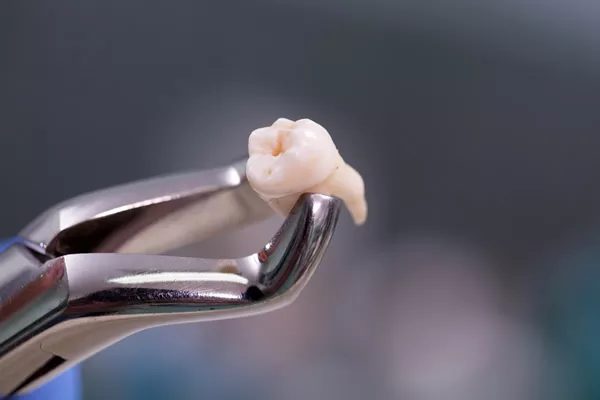
After a tooth is taken out, there may be bleeding, pain and swelling. You probably have many questions, such as "Can I rinse?", "Can I take a bath?" and "How long will the swelling last?"
The socket left after an extraction heals as a blood clot forms in it and is gradually replaced by gum and bone. Protecting this blood clot is the most important point for good healing. In this article we explain how to spend the time after an extraction and what to watch out for.
Things to be careful about on the day of the extraction
Bite on gauze to stop the bleeding
After the extraction, bite firmly on gauze for about 30 minutes to press on the area and stop the bleeding. During that day your saliva may be slightly tinged with blood, but in most cases this is nothing to worry about. If the bleeding does not stop, fold a piece of clean gauze, place it on the socket and bite on it again for 20 to 30 minutes. If it still does not stop, please contact us.
Rinse gently, and not too often
Rinsing hard or many times can dislodge the blood clot that covers the socket and slow healing. It can also cause "dry socket", in which the bone in the socket is exposed and very painful. On the day of the extraction, just rinse your mouth gently. Also try to avoid sucking hard through a straw or spitting repeatedly.
Do not let your body get too warm
On the day of the extraction and the next day, avoid things that increase blood flow, such as hard exercise, long soaks in the bath and alcohol. They can make bleeding, swelling and pain worse. We recommend a short, lukewarm shower instead of a bath. Smoking slows wound healing, so please avoid it as much as possible.
How to brush and eat
Brush your other teeth gently as usual, avoiding the extraction site. Keeping your mouth clean also helps prevent infection. Be careful not to let the toothbrush touch the area around the socket directly. If the clinic advises you to use an antiseptic mouthwash, rinse gently with it as instructed.
Wait until the anesthetic has worn off before eating. While it is still working, your mouth is numb and you may bite your cheek or tongue or burn yourself on hot food. Chew soft food on the side opposite the extraction, and for a while it is safer to avoid spicy, very hot or hard foods.
What to expect with pain and swelling
Because a local anesthetic is used for the extraction, you are unlikely to feel strong pain during the procedure. Pain usually starts a few hours later as the anesthetic begins to wear off, so take the prescribed painkiller as instructed. If you are sensitive to pain, you can also take it before the anesthetic wears off. Finish the full course of any antibiotics you are prescribed, even if you have no symptoms. If you take any regular medication, please tell the dentist before the extraction.
Swelling depends on the location of the tooth and the condition of the bone. In general, lower teeth swell more than upper teeth, and swelling is also more likely when a tooth buried in bone is removed by trimming bone or dividing the tooth. Swelling usually peaks 2 to 3 days after the extraction, then gradually goes down and settles in about a week. If the swelling bothers you, gently holding a towel moistened with water against the outside of your cheek may help. Cooling too strongly with an ice pack can reduce blood flow and slow healing, so do not overcool.
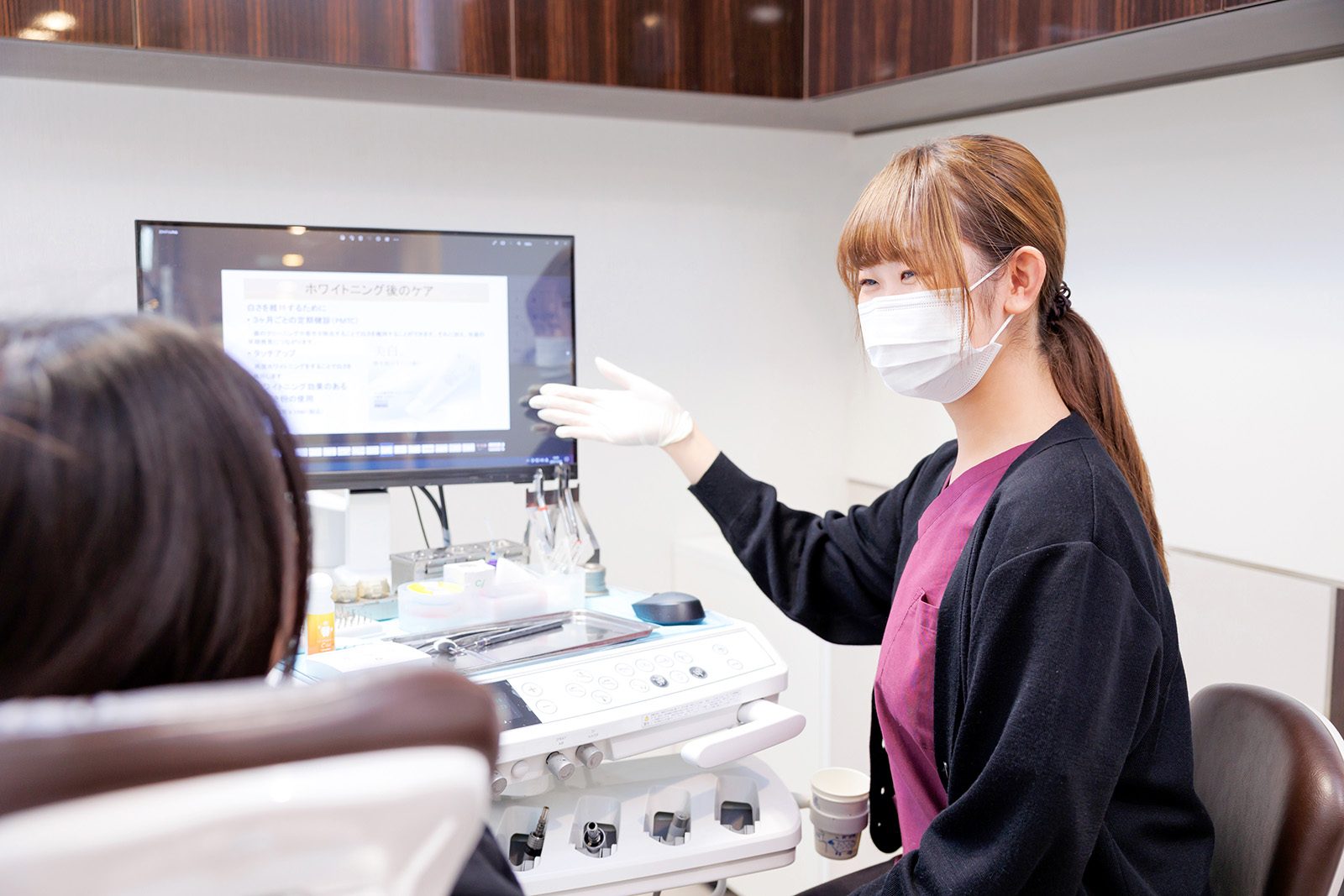
Please contact us if:
- The bleeding does not stop even when you press with gauze
- The pain keeps getting worse after 2 to 3 days
- The swelling keeps spreading, or you develop a fever
- Numbness of the lip or chin continues
- There is a bad smell or pus coming from the socket
If the pain becomes stronger a few days after the extraction, you may have dry socket or a bacterial infection. Treating it early usually helps relieve the pain. Please do not put up with it; feel free to contact us.
Summary
After an extraction, protecting the blood clot is the most important point for good healing. Avoid rinsing hard and getting your body too warm, and take the prescribed medicine as instructed. Pain and swelling vary from person to person. If you have any worries or questions, please speak to our staff at any time.
ESCA Dental & Orthodontic Clinic is in the ESCA underground shopping mall, a 1-minute walk from the Shinkansen exit of JR Nagoya Station. Appointments by phone (+81-52-452-1255), online booking (Japanese) or LINE.
Main risks and side effects
- After an extraction, pain, swelling and bleeding can occur. If the blood clot comes away, dry socket, in which the bone in the socket is exposed, can develop
- In rare cases, bacterial infection or numbness of the lip or chin (nerve damage) can occur
Frequently asked questions
Q. Can I take a bath on the day of an extraction?
We recommend a short, lukewarm shower. Soaking in the bath for a long time increases blood flow and can make bleeding and swelling worse.
Q. When can I eat normally after an extraction?
You can eat once the anesthetic has worn off. For a few days, eat soft food on the side opposite the extraction, and gradually return to your usual diet as it heals.
Q. Should I cool the swelling?
We recommend just gently holding a towel moistened with water against it. Cooling too strongly with an ice pack can slow healing.
Medical review
This article was reviewed by Katsuaki Takeuchi, DDS (Director; Board-certified oral surgeon, Japanese Society of Oral and Maxillofacial Surgeons), ESCA Dental & Orthodontic Clinic. It provides general information; please consult a dentist about your own condition.
Appointments and questions
Mon–Fri 10:00–13:00 / 14:30–19:30 · Sat & Sun 10:00–13:00 / 14:00–18:00 (open every other Sunday) · Closed on national holidays. Our staff mainly speak Japanese.