
What Is Torus Mandibularis? Hard Bumps Under the Tongue Explained
Published: 2022-04-10 · Updated: 2026-11-22 · Medically reviewed by Katsuaki Takeuchi, DDS (Director; Board-certified oral surgeon, Japanese Society of Oral and Maxillofacial Surgeons)
What you will learn
- What torus mandibularis and other bony growths are, and their features
- Why they form, and treatment (removal surgery) when they cause problems
- Prevention with a night guard, and signs that you should see a dentist
Have you ever touched the area under your tongue or the inner gums of your lower jaw and noticed a hard, bulging lump? Many people worry, "Is it a growth?" or "What if it is a disease?"
That lump may be a bony bulge called torus mandibularis (mandibular torus). In this article we explain the features and causes of bony growths such as torus mandibularis, as well as treatment and prevention.
What are torus mandibularis and other bony growths?
A bony growth (torus) is a part of the jawbone that bulges out like a lump. It has different names depending on where it forms: one on the inner (tongue) side of the lower jaw, around the premolars, is called torus mandibularis, and one in the middle of the upper jaw (the roof of the mouth) is called torus palatinus. They can also form on the outer (cheek) side of the gums.
Torus mandibularis often forms on both the left and right sides, and its surface is covered with smooth gum tissue. Because it is bone, it feels hard and usually does not hurt. It may grow slowly over many years.
Telling it apart from other conditions
A bony growth is not inflammation or cancer; it is an overdevelopment of bone and is harmless in itself. However, some swellings in the mouth are caused by other conditions. If a lump has grown suddenly, is soft, hurts to the touch, has a sore surface or bleeds, it may not be a bony growth, so have it checked at a dental clinic soon. X-rays and other tests can confirm whether it is a bony bulge.
Why bony growths form
The exact cause of bony growths is not known, but strong biting forces are thought to be involved. It is said that when strong force is repeatedly applied to the jawbone, for example by grinding or clenching, the stimulation causes the bone to build up. For this reason they seem to form more easily in people who grind or clench their teeth or who have a strong bite.
Constitution (heredity) is also said to play a part.

Problems bony growths can cause
Small bony growths can almost always be left as they are without any problem. However, the gum tissue covering the bulge is thin. So when hard food or a toothbrush hits it, it is easily injured and mouth ulcers may form.
- Food or a toothbrush hits it, easily causing injuries or mouth ulcers
- Dentures or orthodontic appliances press on it and are hard to wear
- It grows large and makes it hard to move the tongue or speak clearly
- Plaque tends to build up around the bulge
Treatment (surgery to remove the bony growth)
Bony growths do not shrink on their own. If one causes problems in daily life, such as making it impossible to wear dentures, causing repeated injuries or making speaking difficult, surgery to remove it is considered.
The surgery is done under local anesthetic. The gum is cut and opened, the bulging bone is trimmed away with special instruments, and the gum is stitched closed. It is a relatively short procedure, and you come back later to have the wound checked and the stitches removed. Removal of a bony growth can be covered by Japanese public health insurance when it is judged necessary, for example to fit dentures.
Prevention with a night guard
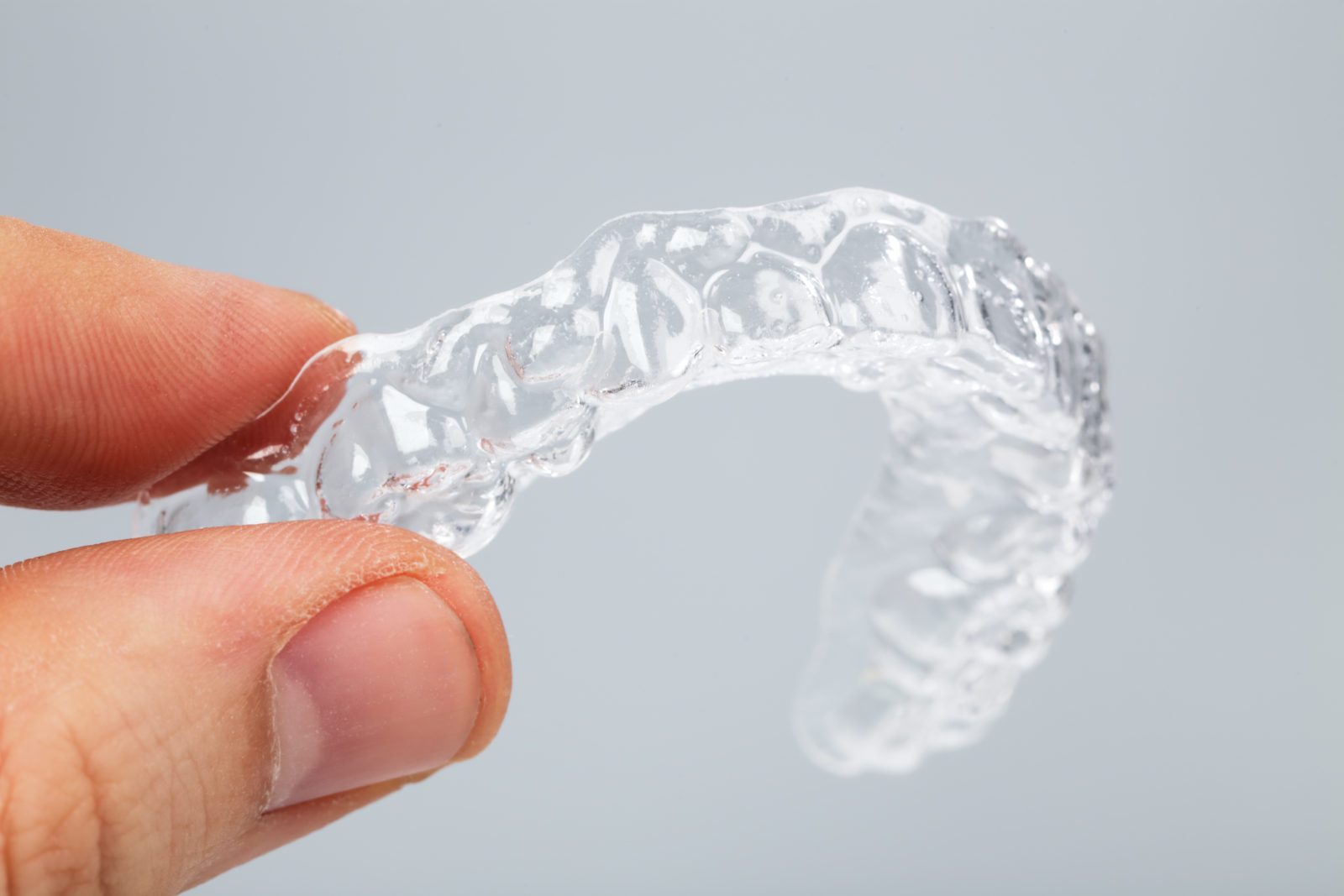
If grinding or clenching is suspected, wearing a mouthguard (night guard) while you sleep can reduce the force on your teeth and jawbone. During sleep, it is harder to control your biting force than when awake, so spreading the force with a resin mouthguard is thought to help keep a bony growth from getting bigger.
If you do not want a bony growth to get any bigger, or if you have had one removed, we recommend prevention with a night guard. During the day too, try to keep your upper and lower teeth apart whenever you notice them touching. A mouthguard for teeth grinding can also be made under Japanese public health insurance.
Summary
A hard bump under the tongue or on the gums is often a bony growth such as torus mandibularis, which in itself is nothing to worry about. However, if it grows suddenly, hurts or has a sore surface, it may be another condition, so have it checked soon. If a bony growth makes eating or wearing dentures difficult, or if you are concerned about grinding, please feel free to consult us.
ESCA Dental & Orthodontic Clinic is in the ESCA underground shopping mall, a 1-minute walk from the Shinkansen exit of JR Nagoya Station. Appointments by phone (+81-52-452-1255), online booking (Japanese) or LINE.
Main risks and side effects
- After surgery to remove a bony growth, pain, swelling and bleeding can occur, and in rare cases bacterial infection or slow wound healing
- If a mouthguard does not fit, it may make the teeth or gums sore, and with use it may wear down or crack and need to be remade
Frequently asked questions
Q. Does torus mandibularis have to be removed?
If it causes no problems, it can almost always be left as it is. Removal surgery is considered when, for example, it makes dentures impossible to wear or causes repeated injuries.
Q. Do bony growths shrink on their own?
They do not shrink on their own. For people who grind or clench, a mouthguard can be expected to help keep them from getting bigger.
Q. Can a bony growth turn into cancer?
A bony growth is an overdevelopment of bone and does not turn into cancer. However, if it grows suddenly or has a sore surface, it may be another condition, so please see a dentist.
Related pages
Medical review
This article was reviewed by Katsuaki Takeuchi, DDS (Director; Board-certified oral surgeon, Japanese Society of Oral and Maxillofacial Surgeons), ESCA Dental & Orthodontic Clinic. It provides general information; please consult a dentist about your own condition.
Appointments and questions
Mon–Fri 10:00–13:00 / 14:30–19:30 · Sat & Sun 10:00–13:00 / 14:00–18:00 (open every other Sunday) · Closed on national holidays. Our staff mainly speak Japanese.