
What Is a Night Guard? Protecting Teeth from Grinding
Published: 2026-06-29 · Updated: 2026-11-22 · Medically reviewed by Katsuaki Takeuchi, DDS (Director; Board-certified oral surgeon, Japanese Society of Oral and Maxillofacial Surgeons)
What you will learn
- What grinding and clenching do to your teeth and jaw
- How a night guard works, and the steps to getting one made
- Tips for getting used to it, and daily care
Your jaw feels tired when you wake up. Your teeth are sensitive, or a tooth has chipped. A family member has told you that you grind your teeth. If this sounds like you, you may be grinding or clenching your teeth while you sleep.
In this article, we explain night guards, which protect your teeth from grinding and clenching.
What grinding and clenching can cause
It is said that grinding or clenching during sleep can put more force on the teeth than when you are awake. Because it happens unconsciously, it is hard to stop by willpower alone.
- Teeth wear down, chip or crack
- Fillings and crowns chip or come off
- The base of the teeth wears away in a wedge shape and becomes sensitive (dentin hypersensitivity)
- Strain on the bone and gums that support the teeth makes gum disease more likely to worsen
- Strain on the jaw joint and muscles leads to jaw pain, difficulty opening the mouth and so on (TMJ disorder)
- It can also be one cause of stiff shoulders and headaches
How a night guard works
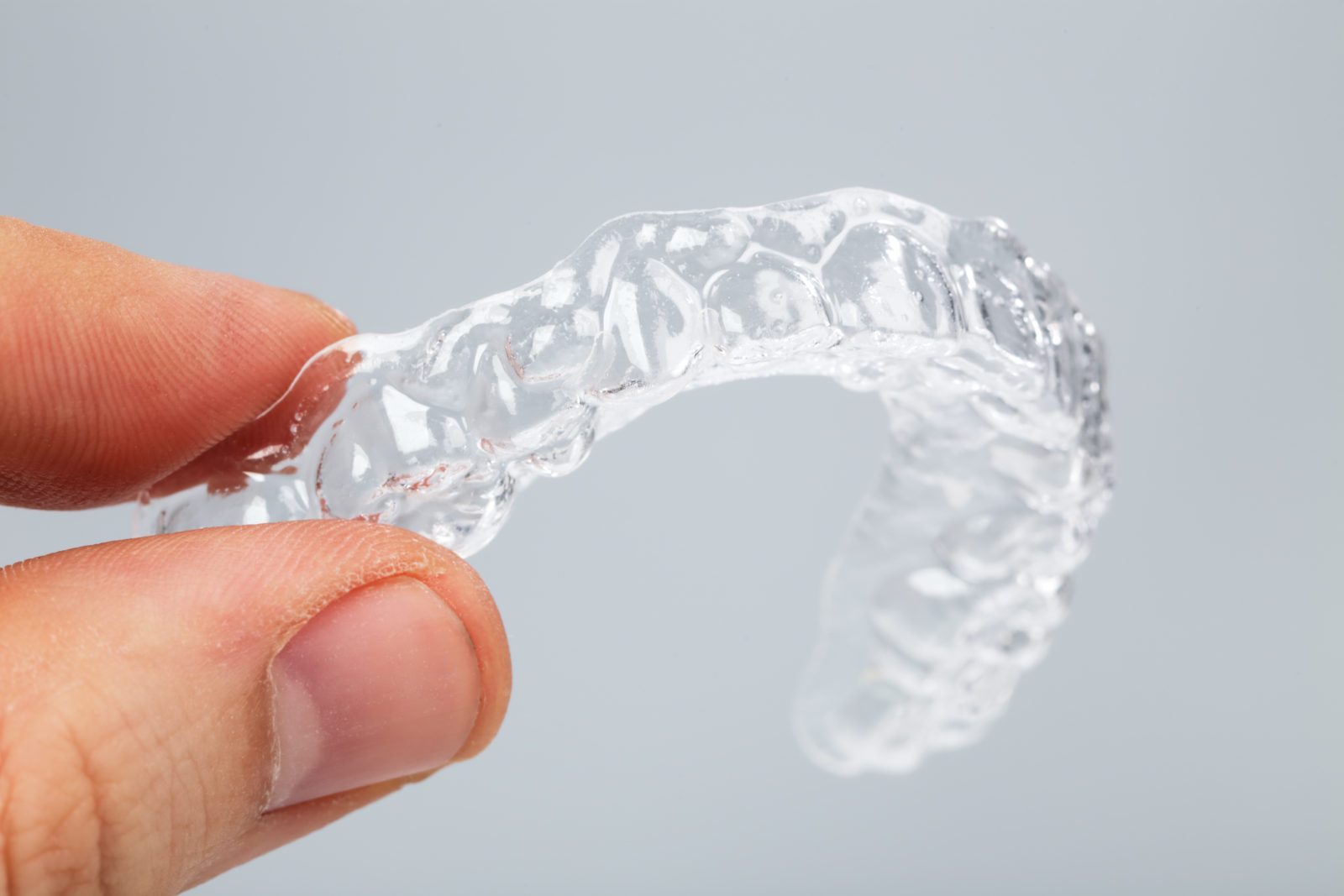
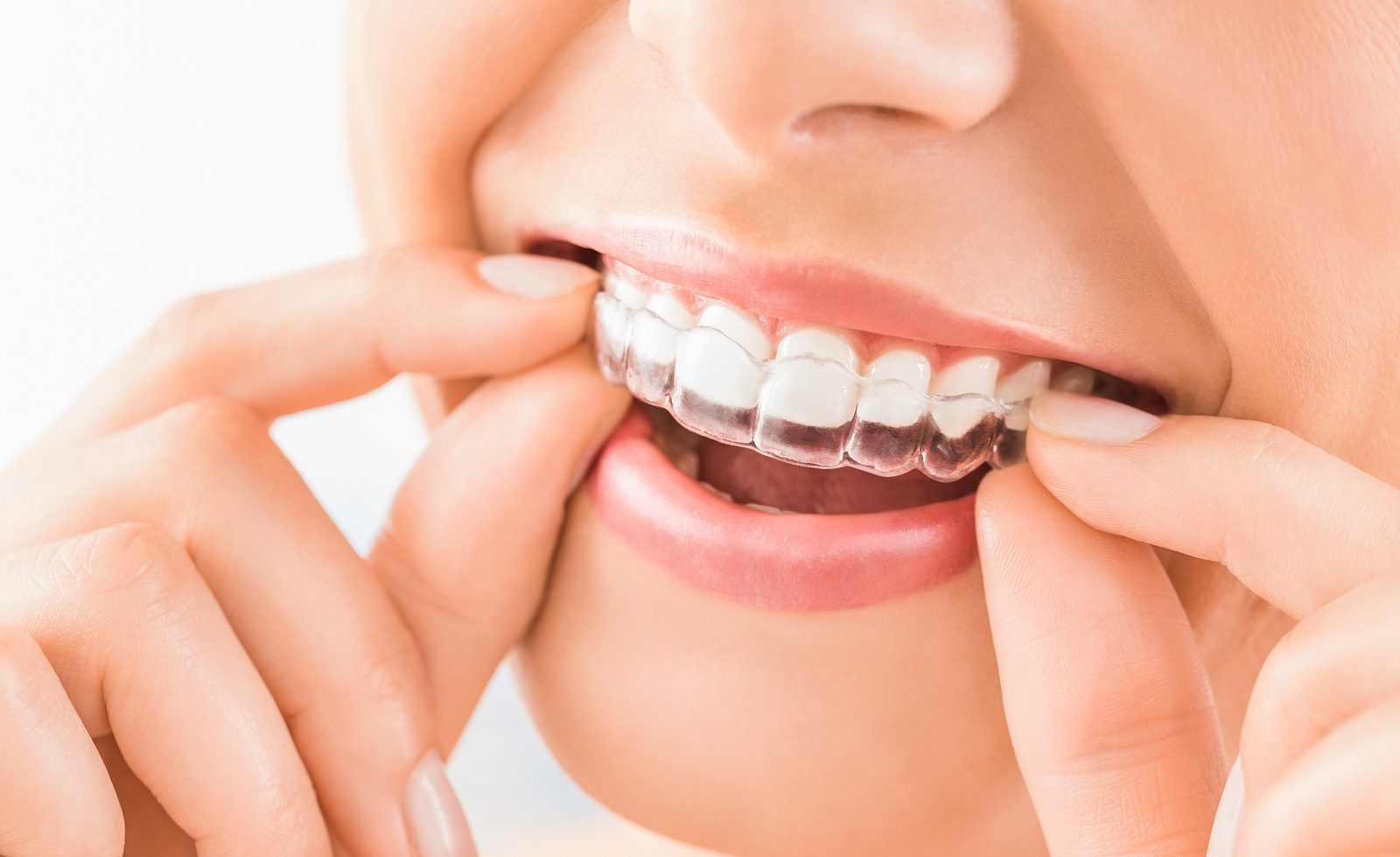
A night guard is a mouthpiece made of a soft material or similar that you wear on your teeth while you sleep. It prevents the upper and lower teeth from rubbing directly against each other and spreads out the force on the teeth like a cushion.
- Prevents teeth from wearing, chipping and cracking
- Protects fillings and crowns
- Eases the strain on the jaw joint and muscles
A night guard does not stop grinding itself. It is a device that protects your teeth and jaw.
Steps to getting a night guard
- Examination: we check how your teeth are worn and the condition of your jaw
- Impressions: we take impressions of your teeth to make a mouthpiece that fits your mouth
- Delivery and adjustment: we check how it feels and how it fits your bite, and adjust it
- Follow-up: we regularly check how it feels and the condition of your teeth and jaw
If you are diagnosed as needing to protect your teeth from grinding or clenching, a night guard can be made under Japanese public health insurance.
Tips for getting used to it
Because a night guard has some thickness, it may feel strange or make it harder to fall asleep at first. Most people get used to it as they keep using it. It can help to put it in a little before bed, or to start by wearing it for a few hours. If it hurts or feels tight anywhere, do not put up with it; come in for an adjustment.
Daily care
- After removing it, rinse it with water and gently clean it with a soft toothbrush (do not use toothpaste, as it scratches)
- Do not use hot water (it can cause warping)
- If there is debris a toothbrush cannot reach or an odor, use a dedicated cleaner
- Dry it well and store it in its case
Watch out for daytime clenching too
When concentrating on computer work, housework or sports, you may unconsciously keep your upper and lower teeth touching (TCH: tooth contacting habit). Normally, the upper and lower teeth do not touch except when you chew. When you notice it, try to part your teeth and relax.
Please consult us if any of these apply
- Your jaw feels tired or stiff when you wake up
- The tips of your teeth are worn flat
- The base of your teeth is worn away and sensitive
- Fillings or crowns often chip or come off
- There are tooth marks on the inside of your cheeks or the edges of your tongue
These may be signs of grinding or clenching. The way teeth are worn can sometimes show how force is being applied.
Summary: if grinding concerns you, consult us first
Grinding and clenching put a heavy strain on your teeth and jaw without you knowing it. Protect your teeth with a night guard, and consult us early if you have symptoms that concern you.
ESCA Dental & Orthodontic Clinic is in the ESCA underground shopping mall, a 1-minute walk from the Shinkansen exit of JR Nagoya Station. Appointments by phone (+81-52-452-1255), online booking (Japanese) or LINE.
Main risks and side effects
- At first, you may feel discomfort, more saliva, or difficulty sleeping
- Using one that does not fit can cause pain in the teeth or jaw or change your bite, so regular checks are needed
- If it wears down or cracks, it needs to be remade
Frequently asked questions
Q. Can a night guard be made under insurance?
If you are diagnosed as needing to protect your teeth from grinding or clenching, it can be made under Japanese public health insurance. We will explain the details at your examination.
Q. How long does a night guard last?
It depends on how hard you grind, but once it is worn down or has holes, it needs to be remade. If you bring it to your regular checkup, we will check its condition.
Q. Can grinding be cured?
Stress, sleep and your bite are said to be involved, and in many cases it is difficult to stop it completely. It is important to protect your teeth with a night guard while also reviewing any daytime clenching habit.
Related pages
Medical review
This article was reviewed by Katsuaki Takeuchi, DDS (Director; Board-certified oral surgeon, Japanese Society of Oral and Maxillofacial Surgeons), ESCA Dental & Orthodontic Clinic. It provides general information; please consult a dentist about your own condition.
Appointments and questions
Mon–Fri 10:00–13:00 / 14:30–19:30 · Sat & Sun 10:00–13:00 / 14:00–18:00 (open every other Sunday) · Closed on national holidays. Our staff mainly speak Japanese.