
Types of Dental Inlays: Insurance vs Self-Paid Materials
Published: 2023-04-19 · Updated: 2026-11-22 · Medically reviewed by Katsuaki Takeuchi, DDS (Director; Board-certified oral surgeon, Japanese Society of Oral and Maxillofacial Surgeons)
What you will learn
- What an inlay is and when it is used
- Features of inlays covered by insurance (metal and white resin)
- Differences between self-paid inlays (ceramic, hybrid, zirconia and gold) and how to choose
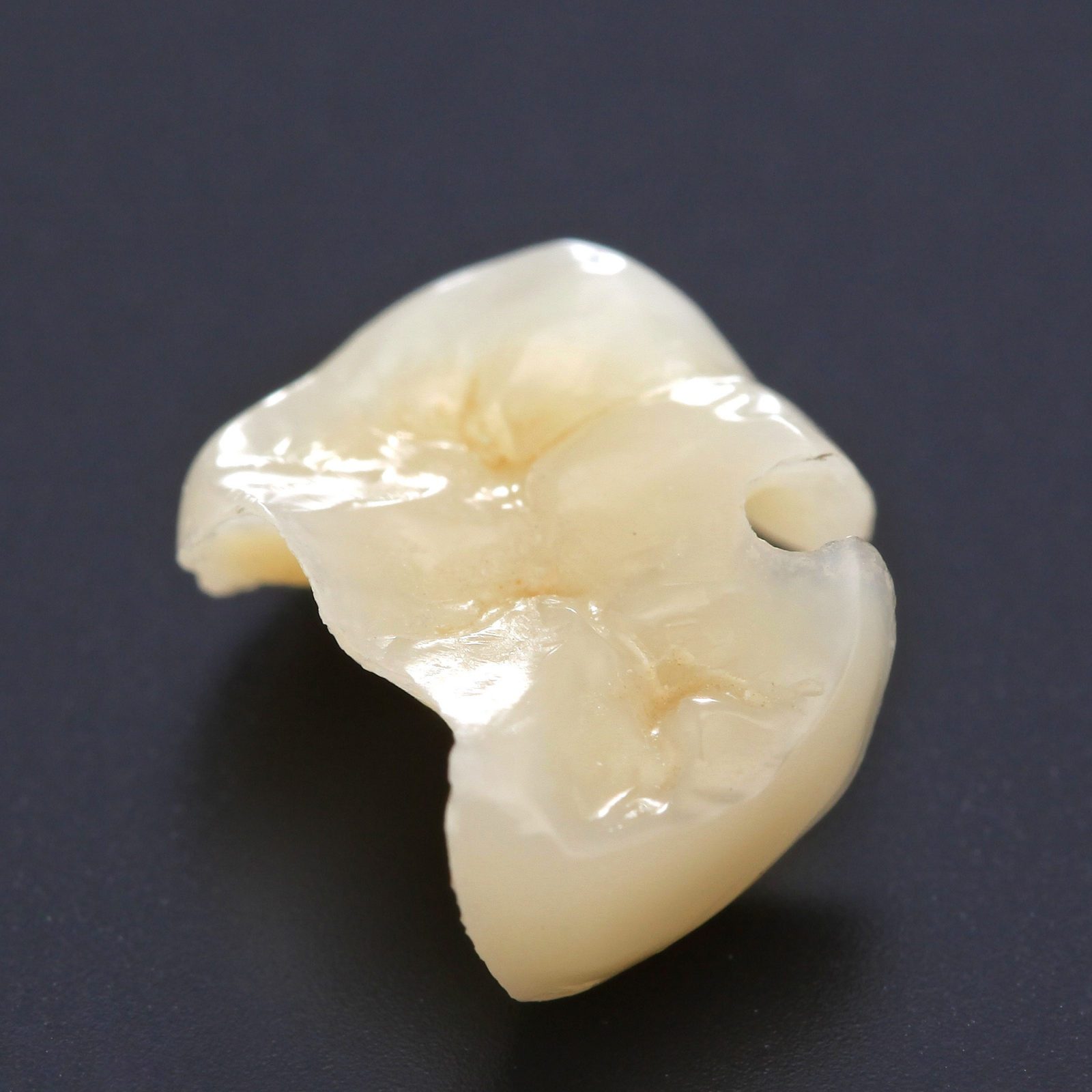
When you are told "let's put in a filling" during cavity treatment, have you ever wondered what types there are?
There are several materials for fillings, and they differ in appearance, strength, durability and cost. In this article we introduce the types of partial fillings called inlays, the difference between insured and self-paid options, and points for choosing.
What is an inlay?
An inlay is a treatment in which, after the decay is removed, a filling made from an impression is fitted into the cavity. It is used for relatively small areas of decay, such as cavities that have spread not only on the tooth surface but also between the teeth (on the adjacent surfaces).
For very small cavities, white resin (composite resin) may be placed the same day without taking an impression. On the other hand, if the decay is large and much of the tooth has been lost, a crown that covers the whole tooth is used. Inlays are often used for cavities of a size in between.
Inlays covered by insurance
Silver-colored metal inlays
Metals such as gold-silver-palladium alloy have long been used as fillings covered by Japanese public health insurance. They are strong and can be done under insurance.
On the other hand, the metal color is noticeable, and with long use they may darken, or metal that dissolves out can make the tooth or gums look darker. Gaps or steps also tend to form between the inlay and the tooth, and there is said to be a risk of secondary caries (decay under the filling). In rare cases, they can also cause metal allergies.
White resin inlays
In recent years, depending on the conditions, white resin inlays can also be chosen under Japanese public health insurance. They look natural, but compared with self-paid materials, the surface is slightly rougher, picks up plaque and stains more easily, and may discolor over time. They are also not very strong, so in people who grind or clench, they can crack or chip. They may not be usable depending on the position of the tooth and the bite.
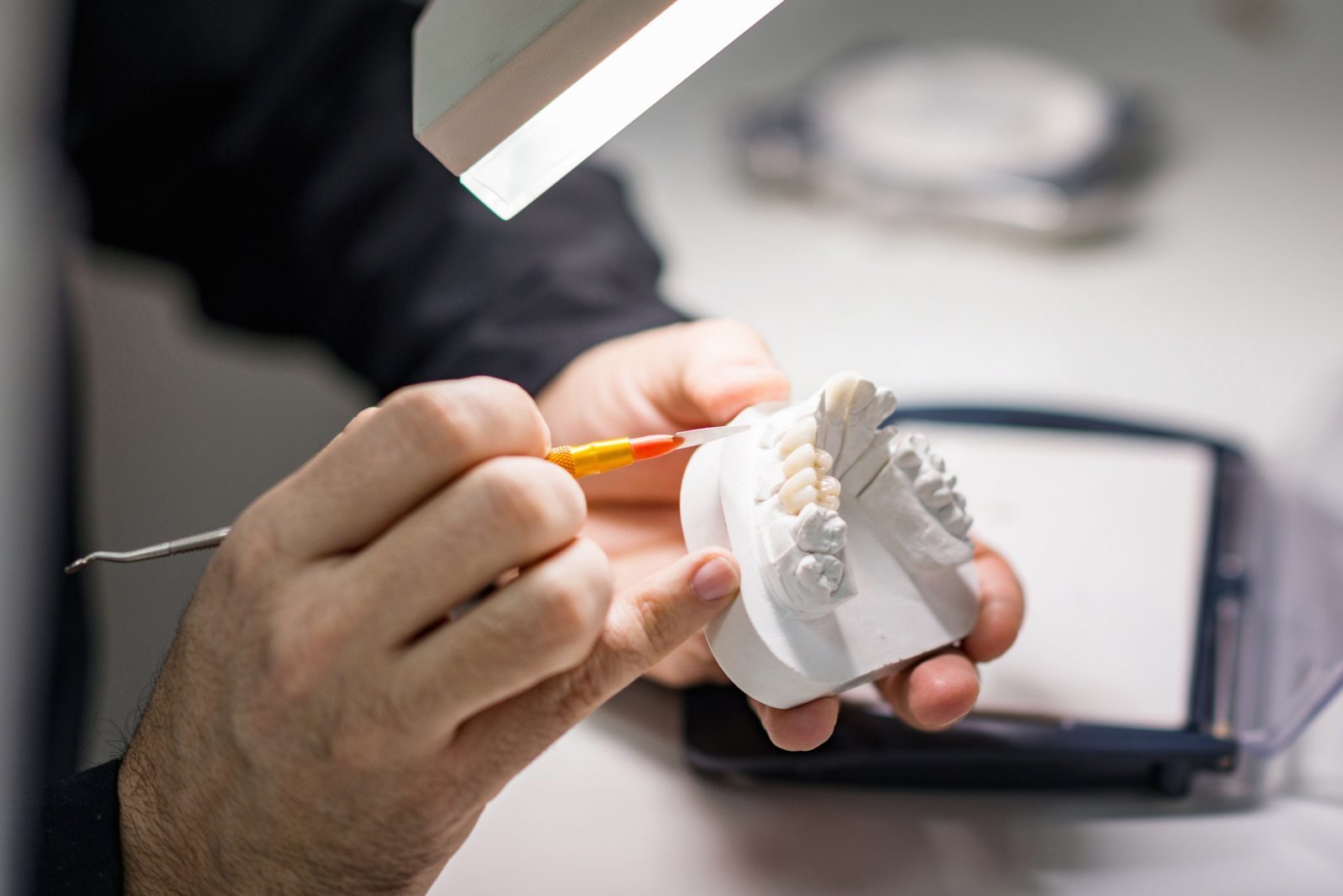
Self-paid inlays
With self-paid inlays, you can choose materials that pick up less plaque than insured ones and fit closely at the border with the tooth. This is said to make it easier to limit changes in appearance and the risk of secondary caries.
Ceramic inlays
These are made of porcelain (ceramic). They have a color and translucency close to natural teeth and hardly discolor, so they keep their appearance for a long time. The surface is smooth and picks up little plaque, and because no metal is used, there is no worry about metal allergies or darkened gums. However, they can chip if strong force is applied.
Hybrid inlays
These are made of a material that mixes ceramic and resin (plastic). Like ceramic, they are white and contain no metal, but because they contain resin, they pick up plaque more easily than ceramic and may discolor somewhat over time. They cost less than ceramic.
Zirconia
Zirconia is a very strong type of ceramic, sometimes called "artificial diamond". It suits people who clench strongly, back teeth, and people who have had fillings chip before.
Gold inlays
These inlays are made mainly of gold. They are gold in color, but they have a moderate softness that adapts well to the tooth, and are said to make decay under the filling less likely. They also suit people with a strong bite or who grind their teeth.
Points for choosing an inlay
The material for an inlay is chosen by balancing appearance, strength, durability, gentleness to the body and cost. The right material depends on whether the tooth is near the front and visible or a back tooth with strong biting force, whether you grind your teeth, and whether you have a metal allergy. Your thinking also changes depending on whether you plan to replace it within a short time or want it to last a long time.
At our clinic, after checking the condition of your mouth, we explain the advantages, disadvantages and costs of each material. We can also replace your current metal fillings with white ones.
Summary
Inlays include insured metal and white resin options, and self-paid options such as ceramic, hybrid, zirconia and gold. Each has advantages and points to note, so it is important to choose according to the condition of your teeth and your wishes. If you are thinking of replacing a filling or are unsure which to choose, please feel free to consult us.
ESCA Dental & Orthodontic Clinic is in the ESCA underground shopping mall, a 1-minute walk from the Shinkansen exit of JR Nagoya Station. Appointments by phone (+81-52-452-1255), online booking (Japanese) or LINE.
Main risks and side effects
- Ceramic can chip or crack if strong force is applied
- More tooth may need to be removed than with other materials
- After treatment, the teeth may be sensitive to cold for a while. Cavities can also form through gaps around fillings or crowns (secondary caries)
Ceramic, gold and other inlays and crowns are self-paid (not covered by insurance). Please see our fee table for standard fees.
Frequently asked questions
Q. Can I have a white filling under insurance?
Depending on the conditions, you may be able to choose a white resin filling under Japanese public health insurance. It may not be usable depending on the position of the tooth and the bite, so please ask at your examination.
Q. Will a ceramic inlay crack?
It can chip or crack if strong force is applied. For people who grind or clench strongly, zirconia or gold may be more suitable.
Q. Can my current metal fillings be replaced with white ones?
Yes, they can be replaced. Decay is sometimes found underneath when a metal filling is removed, so we explain the treatment after an examination.
Related pages
Medical review
This article was reviewed by Katsuaki Takeuchi, DDS (Director; Board-certified oral surgeon, Japanese Society of Oral and Maxillofacial Surgeons), ESCA Dental & Orthodontic Clinic. It provides general information; please consult a dentist about your own condition.
Appointments and questions
Mon–Fri 10:00–13:00 / 14:30–19:30 · Sat & Sun 10:00–13:00 / 14:00–18:00 (open every other Sunday) · Closed on national holidays. Our staff mainly speak Japanese.