
What Is Composite Resin (CR)? Pros and Cons of White Fillings
Published: 2026-07-28 · Updated: 2026-11-22 · Medically reviewed by Katsuaki Takeuchi, DDS (Director; Board-certified oral surgeon, Japanese Society of Oral and Maxillofacial Surgeons)
What you will learn
- What composite resin (CR) treatment is
- Benefits and drawbacks, and cases it suits
- Tips for making CR fillings last longer
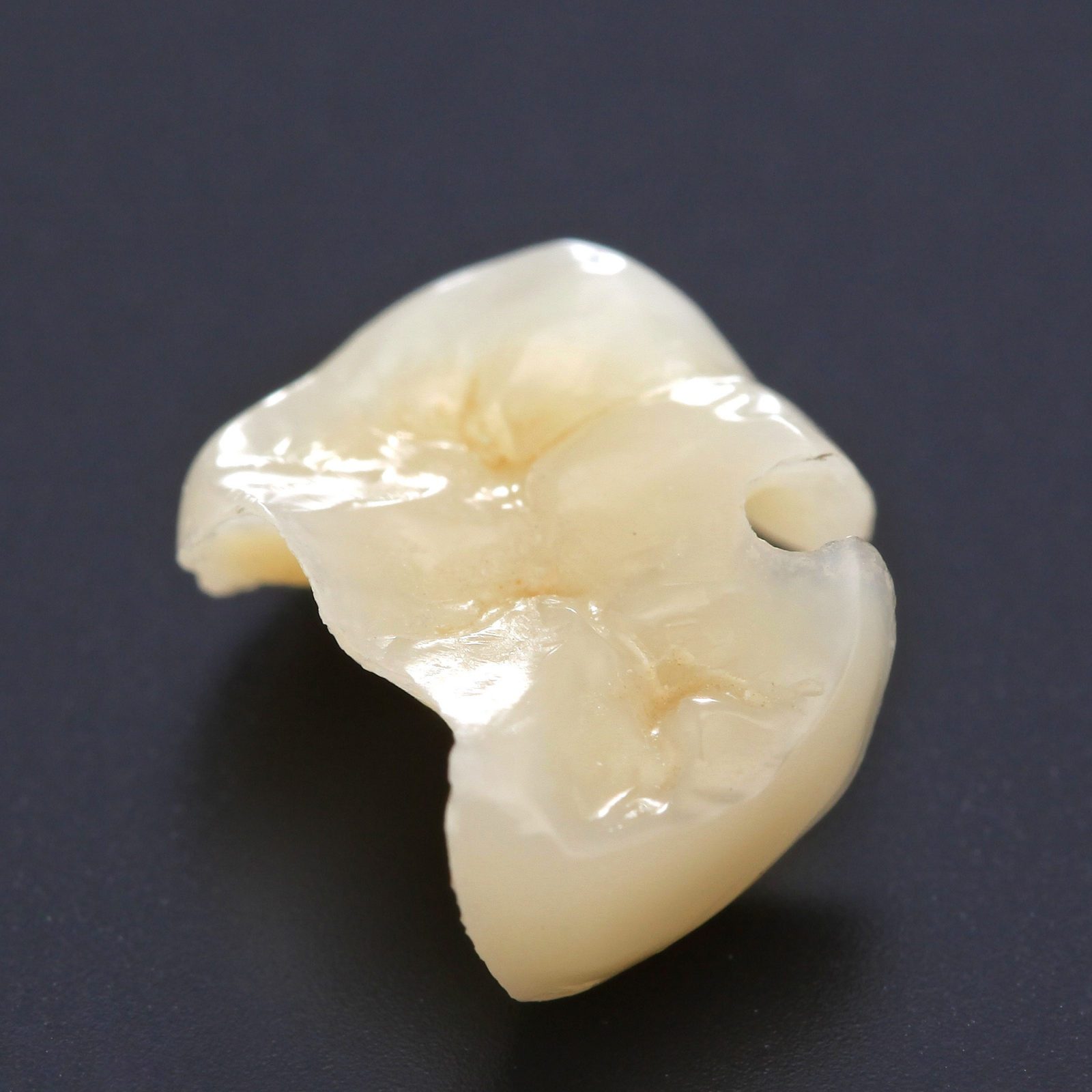
Many people wonder, "What kind of treatment is a white filling?" or "How is it different from a silver filling?"
In this article, we explain the features of one type of white filling, composite resin (CR), along with its benefits, drawbacks and tips for making it last.
What is composite resin (CR)?
Composite resin is a white dental resin (a material made by mixing fine ceramic particles into plastic). The soft material is packed into the area where decay has been removed, shaped, and then hardened with a special light. A key feature is that it bonds directly to the tooth.
Benefits of composite resin
Less tooth needs to be removed
Because it is bonded to the tooth, there is no need to shape the cavity so a filling can lock into place, so less healthy tooth needs to be removed.
A natural appearance
Because the material is close to tooth color, treated areas are less noticeable, and it can be used on both front and back teeth.
Often finished in one visit
For a small cavity, everything from removing decay to placing the filling can often be done in one visit, and no impression is needed.
Often covered by insurance
If conditions such as the size and location of the cavity are met, it is covered by Japanese public health insurance.
Drawbacks of composite resin
- It may not suit large cavities or areas under strong biting force (it can chip or come out more easily)
- Over time, it may stain from coffee, tea, tobacco and so on
- With long use, it may gradually wear down
- If a gap forms at the edge with the tooth, decay may come back
If the cavity is large, we may suggest other options, such as ceramic or metal fillings and crowns.

Careful technique matters for the finish and how long it lasts
With composite resin, the dentist shapes the filling directly in the mouth and hardens it with light. So the bite, a shape that resists plaque, and how long it lasts depend on how carefully the procedure is done.
If saliva or moisture gets in during treatment, the material does not bond well, making it more likely to come out or leave gaps. At our clinic, we keep the area thoroughly dry and carry out each step carefully, following the set procedure.
Who composite resin suits
- People who want small cavities treated while keeping as much tooth as possible
- People who want a white, natural-looking result
- People who want treatment with as few visits as possible
- People concerned about small chips or gaps in their front teeth
Tips for making it last
- Brush carefully, paying attention to the edges of treated areas
- Keep the spaces between teeth clean with floss
- Rinse your mouth with water after dark-colored drinks
- If you grind or clench your teeth, consider a night guard
- Have wear, staining and gaps checked at regular checkups
If local anesthesia was used, avoid eating until the numbness wears off. You could bite and injure your lip or cheek.
How it differs from other white fillings
Besides composite resin, white fillings include hybrid inlays and ceramic inlays, which are made in a dental laboratory from an impression. Ceramic is a material that resists staining and wear, but it requires an impression and more visits, and it is self-paid treatment (not covered by insurance). Composite resin is often finished in one visit and covered by insurance, but it is a material that stains and wears more easily. Choose according to the size and location of the cavity and your wishes.
Summary: choose a method based on the size and location of the cavity
Composite resin is a treatment that removes less tooth and looks natural. On the other hand, depending on the size of the cavity and your bite, another method may be more suitable. At our clinic, after checking the condition of your mouth, we explain the benefits and points to note of each option. If you would like a white filling, please feel free to consult us.
ESCA Dental & Orthodontic Clinic is in the ESCA underground shopping mall, a 1-minute walk from the Shinkansen exit of JR Nagoya Station. Appointments by phone (+81-52-452-1255), online booking (Japanese) or LINE.
Main risks and side effects
- After treatment, the tooth may be sensitive for a while
- Over time, staining, wear or chipping may occur, and the filling may need to be replaced
- If a gap forms at the edge, decay may come back
Composite resin that meets the conditions is covered by Japanese public health insurance. Self-paid fillings such as ceramic are self-paid treatment (not covered by insurance).
Frequently asked questions
Q. Can a silver filling be replaced with composite resin?
Small silver fillings can sometimes be replaced. For large silver fillings, we may suggest another option such as ceramic.
Q. How many years does composite resin last?
It depends on the size and location, your bite and your daily care. Checking it at regular checkups and repairing parts of it as needed helps it last longer.
Q. Can small gaps between front teeth also be fixed with composite resin?
Depending on the size of the gap, adding material to the teeth can make it less noticeable (this may be self-paid treatment, not covered by insurance). Please ask us for details.
Related pages
Medical review
This article was reviewed by Katsuaki Takeuchi, DDS (Director; Board-certified oral surgeon, Japanese Society of Oral and Maxillofacial Surgeons), ESCA Dental & Orthodontic Clinic. It provides general information; please consult a dentist about your own condition.
Appointments and questions
Mon–Fri 10:00–13:00 / 14:30–19:30 · Sat & Sun 10:00–13:00 / 14:00–18:00 (open every other Sunday) · Closed on national holidays. Our staff mainly speak Japanese.