
Gum Recession: Causes and Care for Long-Looking, Sensitive Teeth
Published: 2023-07-10 · Updated: 2026-11-22 · Medically reviewed by Katsuaki Takeuchi, DDS (Director; Board-certified oral surgeon, Japanese Society of Oral and Maxillofacial Surgeons)
What you will learn
- Four problems that occur when the gums recede
- Main causes of gum recession (brushing force, gum disease, grinding and more)
- What you can do yourself and treatment at a dental clinic
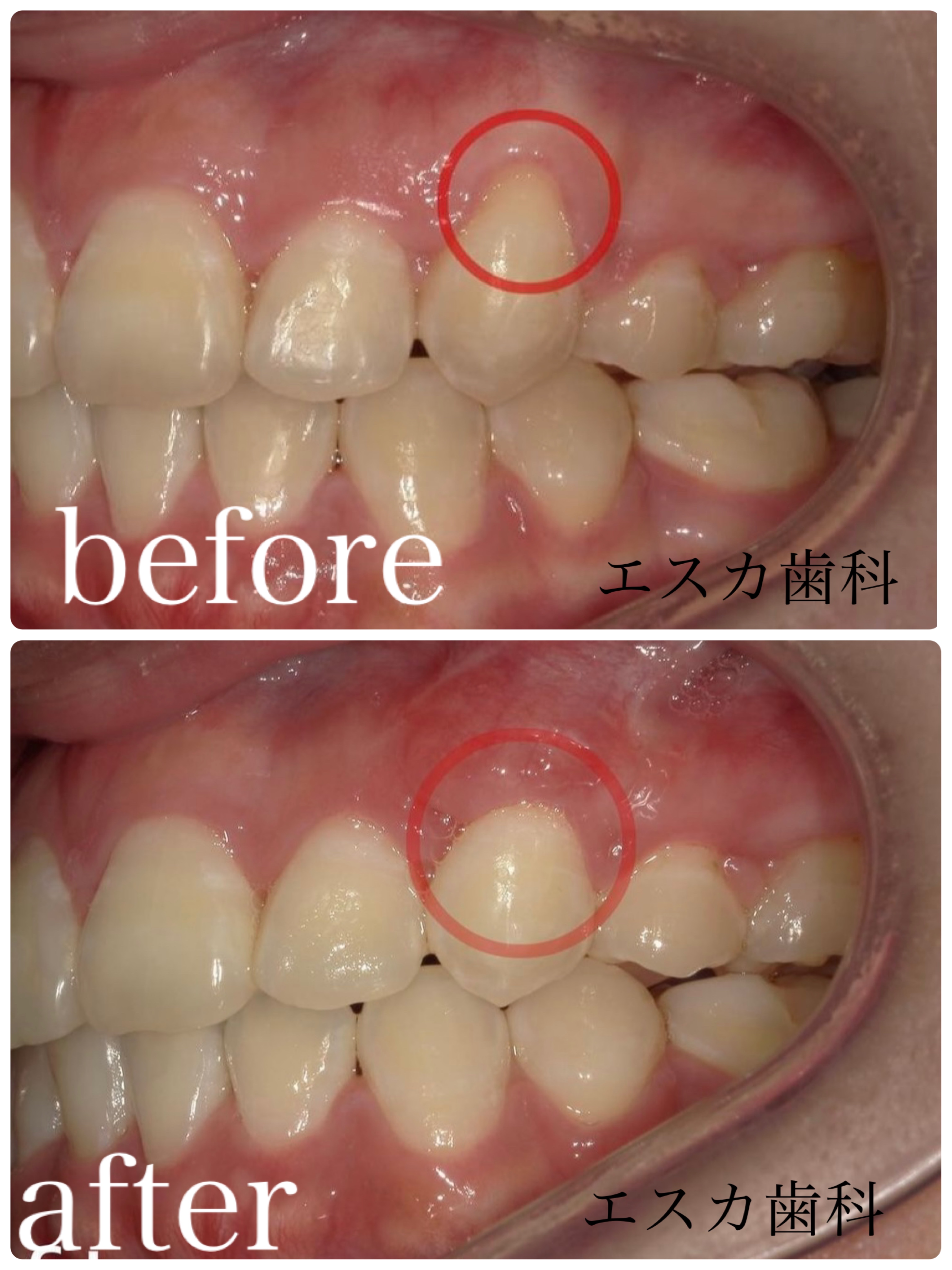
"My teeth seem to have gotten longer lately." "The base of my tooth is sensitive." If this sounds familiar, your gums may be receding. Receding gums are called gingival recession.
Gum recession is not only a change in appearance; it can also cause various problems. In this article, we explain what happens when the gums recede, the main causes, what you can do yourself, and treatment at a dental clinic.
Four problems caused by receding gums
1. Teeth look longer and you look older
When the gums recede, the root of the tooth that used to be hidden by the gums is exposed, and the tooth looks longer. Gaps (black triangles) may also form between the teeth, which can make your smile look older than your age.
2. Teeth become more prone to decay
The surface of the tooth root is normally protected inside the gums. It is softer than the enamel that covers the crown of the tooth and is weaker against acid, so it decays more easily. Food also tends to get caught between the teeth more easily, which is another cause of decay.
3. Sensitivity to cold (dentin hypersensitivity)
In an exposed root, stimuli from cold food or a toothbrush are easily transmitted to the nerve, causing a sharp, shooting sensitivity. People with receding gums are more prone to dentin hypersensitivity.
4. The base of the tooth wears away
If a toothbrush keeps hitting the soft root hard every day, the base of the tooth may wear away into a wedge shape. Worn areas are more sensitive and also more prone to decay.
Main causes of gum recession
Brushing too hard
Brushing hard to remove debris thoroughly is a good intention. However, the gums are very delicate, and if you keep scrubbing hard with a firm toothbrush, they cannot withstand the force and gradually recede. Choose a soft to medium toothbrush and brush with light pressure.
Gum disease
Gum disease (periodontal disease), which is said to affect many adults in Japan, is a major cause of gum recession. When bacteria cause inflammation of the gums and the bone that supports the teeth dissolves, the gums recede along with it.
Grinding, clenching and the bite
In people who grind or clench their teeth, or whose alignment or bite puts strong force on certain teeth, the bone and gums around those teeth come under strain and may gradually recede.
There are also many other causes, such as naturally thin bone or gums, changes with age, smoking, and the effects of moving teeth during orthodontic treatment. It is not unusual for several causes to overlap.
What you can do yourself
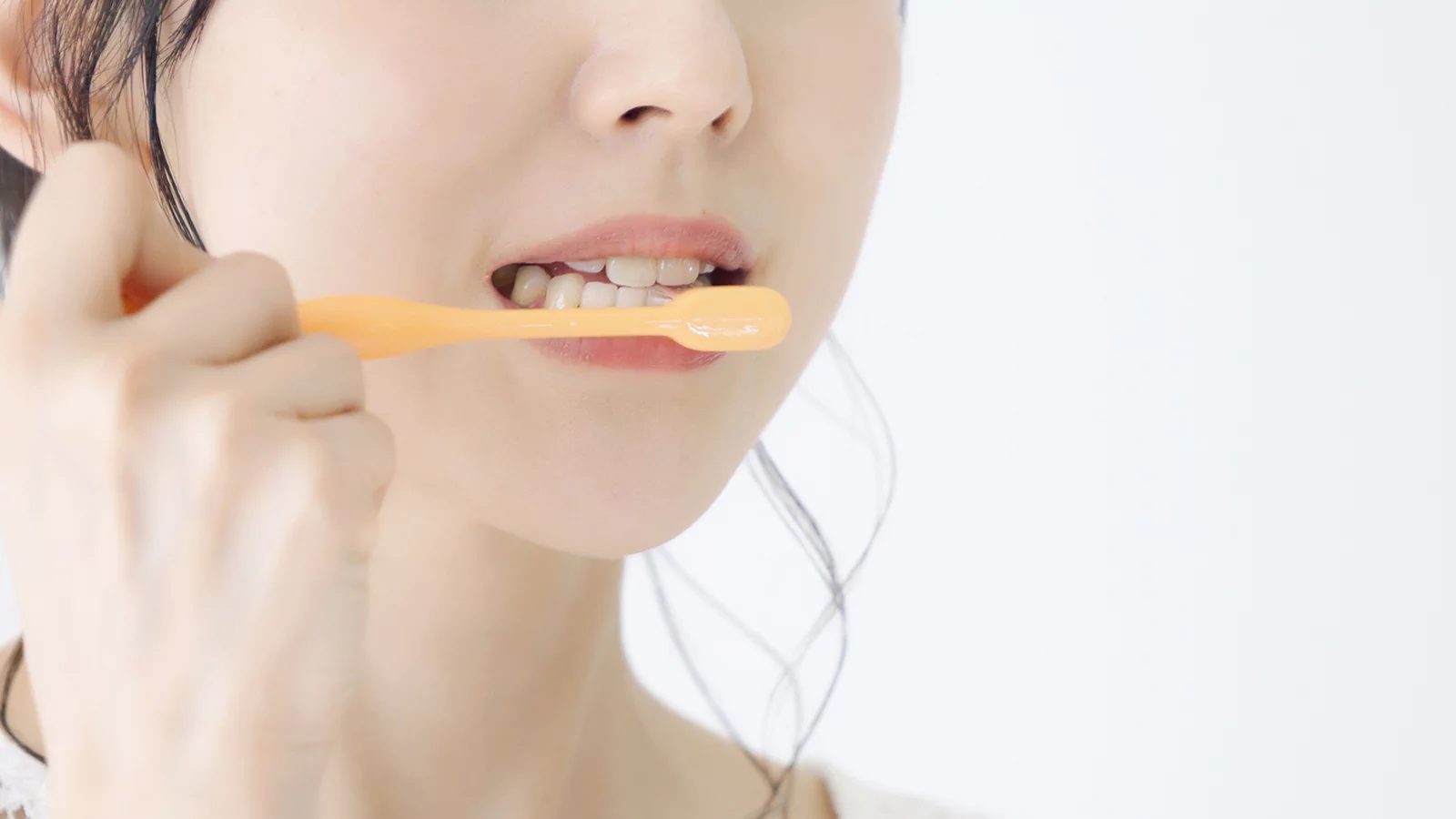
The basics are keeping your mouth clean and brushing the right way. Hold the toothbrush lightly like a pen, place the bristles where the teeth meet the gums, and move it in small strokes. Clean between the teeth with floss or interdental brushes.
If you tend to grind or clench, pay attention during the day to whether your upper and lower teeth are touching, and separate them when you notice. For grinding during sleep, a mouthguard (night guard) can protect your teeth. Smoking reduces blood flow to the gums, so we recommend quitting if possible.
What we can do at the dental clinic
At the dental clinic, we first investigate why your gums are receding and take measures suited to the cause. If you have gum disease, we treat it, and if you brush too hard, we advise you on choosing a toothbrush and how to brush. If there is a problem with your bite, we may adjust it. For sensitive areas, we can apply medication or fill worn areas with white resin.
For areas where the gums still do not improve, there is also a surgical option (gum grafting), in which gum tissue is taken from a site such as the inside of the upper jaw and transplanted to cover the receded gums. Which method suits you depends on the condition of your gums and bone, so we explain after an examination.
Summary
The causes of gum recession vary from person to person, including brushing force, gum disease, grinding and the bite. Once the gums have receded, they rarely return to normal on their own, so it is important to know the cause and take measures early. At ESCA Dental & Orthodontic Clinic, our dentists and dental hygienists suggest methods tailored to each patient. If you are concerned, please feel free to consult us first.
ESCA Dental & Orthodontic Clinic is in the ESCA underground shopping mall, a 1-minute walk from the Shinkansen exit of JR Nagoya Station. Appointments by phone (+81-52-452-1255), online booking (Japanese) or LINE.
Main risks and side effects
- Surgical treatments such as gum grafting may cause pain, swelling or bleeding after surgery, and the grafted gum may not take as expected
- Medication applied to sensitive areas and resin used to fill worn areas may become less effective or come off over time
Some treatments, such as gum grafting, may be self-paid (not covered by insurance). Please see our fee table for standard costs.
Frequently asked questions
Q. Can receded gums grow back?
Once the gums have receded, they rarely return to normal on their own. The basic approach is to remove the cause so they do not recede further, and depending on the condition, gum grafting can be used to cover the area.
Q. What kind of toothbrush helps prevent gum recession?
We recommend a soft to medium toothbrush. Brush with light pressure, moving it in small strokes.
Q. Can orthodontic treatment cause gum recession?
Moving teeth can cause the gums to recede. We check the condition of the gums and bone before orthodontic treatment and check them regularly during treatment.
Related pages
Medical review
This article was reviewed by Katsuaki Takeuchi, DDS (Director; Board-certified oral surgeon, Japanese Society of Oral and Maxillofacial Surgeons), ESCA Dental & Orthodontic Clinic. It provides general information; please consult a dentist about your own condition.
Appointments and questions
Mon–Fri 10:00–13:00 / 14:30–19:30 · Sat & Sun 10:00–13:00 / 14:00–18:00 (open every other Sunday) · Closed on national holidays. Our staff mainly speak Japanese.