
Rubber Dam Isolation: Why It Is Used in Root Canal Treatment
Published: 2023-10-10 · Updated: 2026-11-22 · Medically reviewed by Katsuaki Takeuchi, DDS (Director; Board-certified oral surgeon, Japanese Society of Oral and Maxillofacial Surgeons)
What you will learn
- What rubber dam isolation is and when it is used
- Its three roles: keeping saliva out, preventing swallowing of instruments, and improving visibility
- Breathing and how it feels during treatment, and cases where it may not be usable
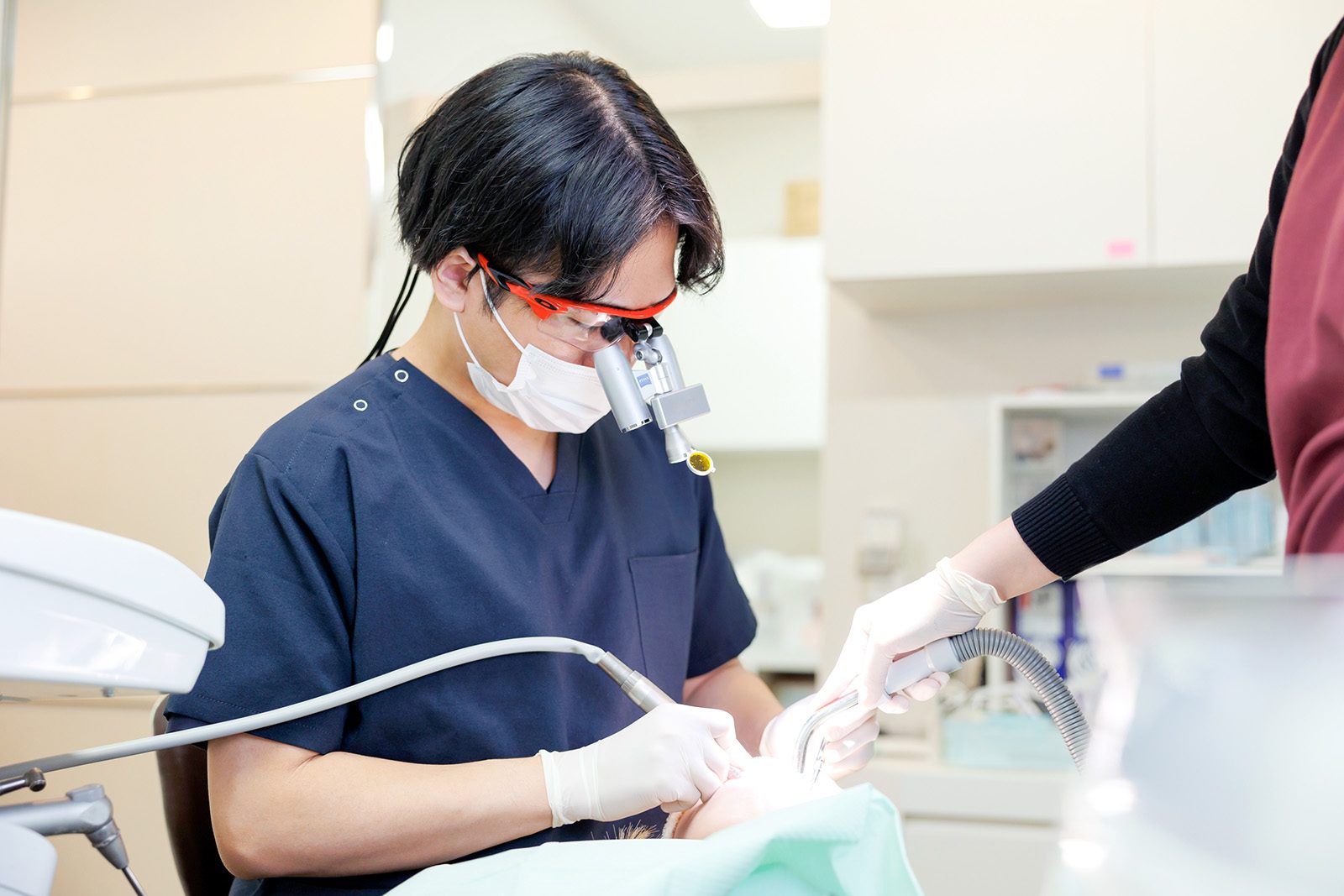
If you have had root canal treatment, you may have been surprised when a rubber sheet was stretched over your mouth. This method is called rubber dam isolation. Only the tooth being treated sticks out through a hole in the sheet, while the surrounding teeth, tongue and cheeks are covered.
It may look like a big production, but it is an important preparation that keeps bacteria from entering the root and makes the treatment safer. In this article, we explain the roles of rubber dam isolation and how it feels during treatment.
Root canal treatment and rubber dam isolation
Root canal treatment is treatment of the nerve inside the tooth. It is done when the nerve (dental pulp) becomes infected with bacteria, for example because deep decay has progressed or the tooth has been hit hard, or when a tooth that previously had root canal treatment becomes infected again. Inside the root is a narrow canal (root canal) through which the nerve runs. We remove the infected tissue and bacteria inside it, clean and disinfect it, and finally fill and seal it with medication.
What matters in root canal treatment is not letting new bacteria into the root once it has been cleaned. Saliva contains many bacteria, and if saliva gets into the root during treatment, it can cause reinfection. Rubber dam isolation surrounds the tooth being treated with a rubber sheet to create a condition that is as clean as possible and hard for saliva to enter.
The three roles of rubber dam isolation
1. Keeping saliva and bacteria out
Its most important role is to keep saliva out of the root. Root canal treatment can be described as a fight against bacteria. By leaving only the tooth being treated outside the sheet, bacteria in saliva are less likely to enter the root, which can be expected to lower the risk of reinfection.
2. Preventing small instruments from being swallowed or inhaled
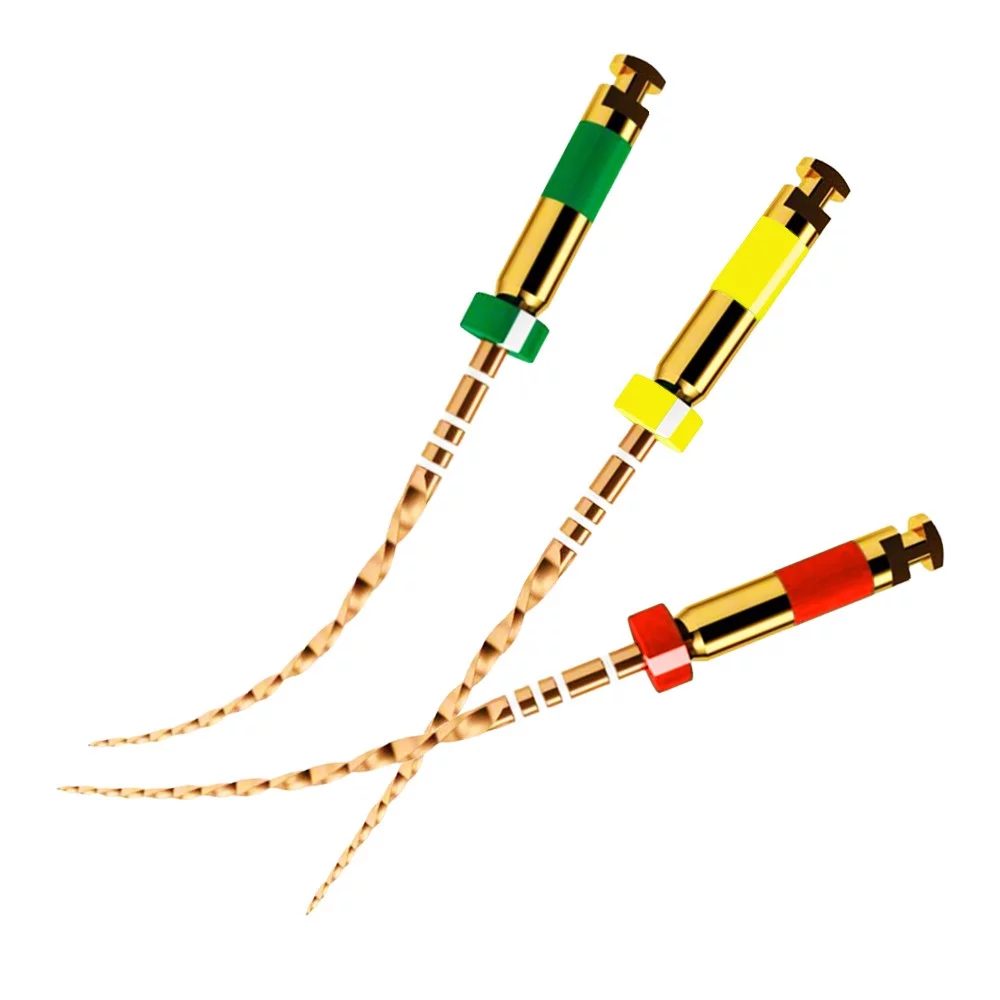
In root canal treatment, small, pointed instruments called files are used. Even if an instrument slips from the dentist's hand, the rubber sheet catches it, preventing it from falling to the back of the throat and being swallowed. The disinfectants used to rinse the root are also very strong, and the sheet keeps them from touching the gums or cheek lining or flowing into the mouth.
3. Making the tooth easier to see
During treatment, the tongue, cheeks and lips can get in the way and make the tooth hard to see. Holding them back with instruments places a burden on the patient and lowers the efficiency of treatment. The rubber dam sheet stretches well, so it keeps only the tooth being treated in clear view without pulling hard on the soft tissues. It also works well with detailed treatment carried out under magnification.
Is it uncomfortable? Breathing and how it feels
Because the mouth is covered with a sheet, quite a few people worry that they will not be able to breathe or that it will feel suffocating. While the rubber dam is in place, you breathe through your nose. If you can breathe through your nose, water and tooth debris do not flow into your throat, so some people find it more comfortable than treatment without a rubber dam.
To hold the sheet on the tooth, a metal clip called a clamp is placed on the tooth. You may feel a slight squeezing or pressure on the gums when it is placed, but we use anesthesia first when needed. If it becomes hard to bear, let us know with a signal such as raising your hand. We can also take breaks during treatment.
Cases where a rubber dam may not be usable
Because rubber dam isolation covers the mouth with a sheet, it may not be usable for people whose nose is blocked and who have difficulty breathing through the nose. If your nose is blocked because of hay fever or a cold, please let us know before treatment. If the tooth is so badly broken down that a clamp cannot be placed, we may first rebuild the shape of the tooth before using it. For people allergic to rubber (latex), latex-free materials may be available, so please tell us in advance.
Summary
Rubber dam isolation is a method for carrying out root canal treatment safely and carefully by keeping bacteria out of the root, preventing small instruments from being swallowed, and making the tooth easier to see. It may look surprising at first, but many people find it comfortable as long as they can breathe through the nose. If you have any questions or worries about root canal treatment, please feel free to consult us.
ESCA Dental & Orthodontic Clinic is in the ESCA underground shopping mall, a 1-minute walk from the Shinkansen exit of JR Nagoya Station. Appointments by phone (+81-52-452-1255), online booking (Japanese) or LINE.
Main risks and side effects
- Even after root canal treatment, infection may remain when the root shape is complex, and retreatment may be needed
- The gums where the clamp was placed may be temporarily sore or slightly injured
- Teeth tend to become brittle after root canal treatment, and a crown may be needed to prevent them from cracking
Frequently asked questions
Q. Will the rubber dam make it hard to breathe?
You breathe through your nose, so as long as your nose is clear, most people have no problem. If your nose is blocked, please let us know before treatment.
Q. What treatments is a rubber dam used for?
It is mainly used in root canal treatment, where keeping the inside of the root clean is important. Depending on the condition of the tooth, it may also be used for fillings and other treatments.
Q. Is it all right if I am allergic to rubber?
For people allergic to latex (natural rubber), latex-free materials may be available. Please tell us in advance.
Related pages
Medical review
This article was reviewed by Katsuaki Takeuchi, DDS (Director; Board-certified oral surgeon, Japanese Society of Oral and Maxillofacial Surgeons), ESCA Dental & Orthodontic Clinic. It provides general information; please consult a dentist about your own condition.
Appointments and questions
Mon–Fri 10:00–13:00 / 14:30–19:30 · Sat & Sun 10:00–13:00 / 14:00–18:00 (open every other Sunday) · Closed on national holidays. Our staff mainly speak Japanese.