
How Orthodontics Moves Teeth: Bone Remodeling and Who Moves Faster
Published: 2024-01-09 · Updated: 2026-11-22 · Medically reviewed by Katsuaki Takeuchi, DDS (Director; Board-certified oral surgeon, Japanese Society of Oral and Maxillofacial Surgeons)
What you will learn
- The periodontal ligament and how bone is broken down and rebuilt (resorption and formation)
- How far teeth move in a month, and why gentle force is used
- Who tends to see faster tooth movement, and habits that interfere with treatment
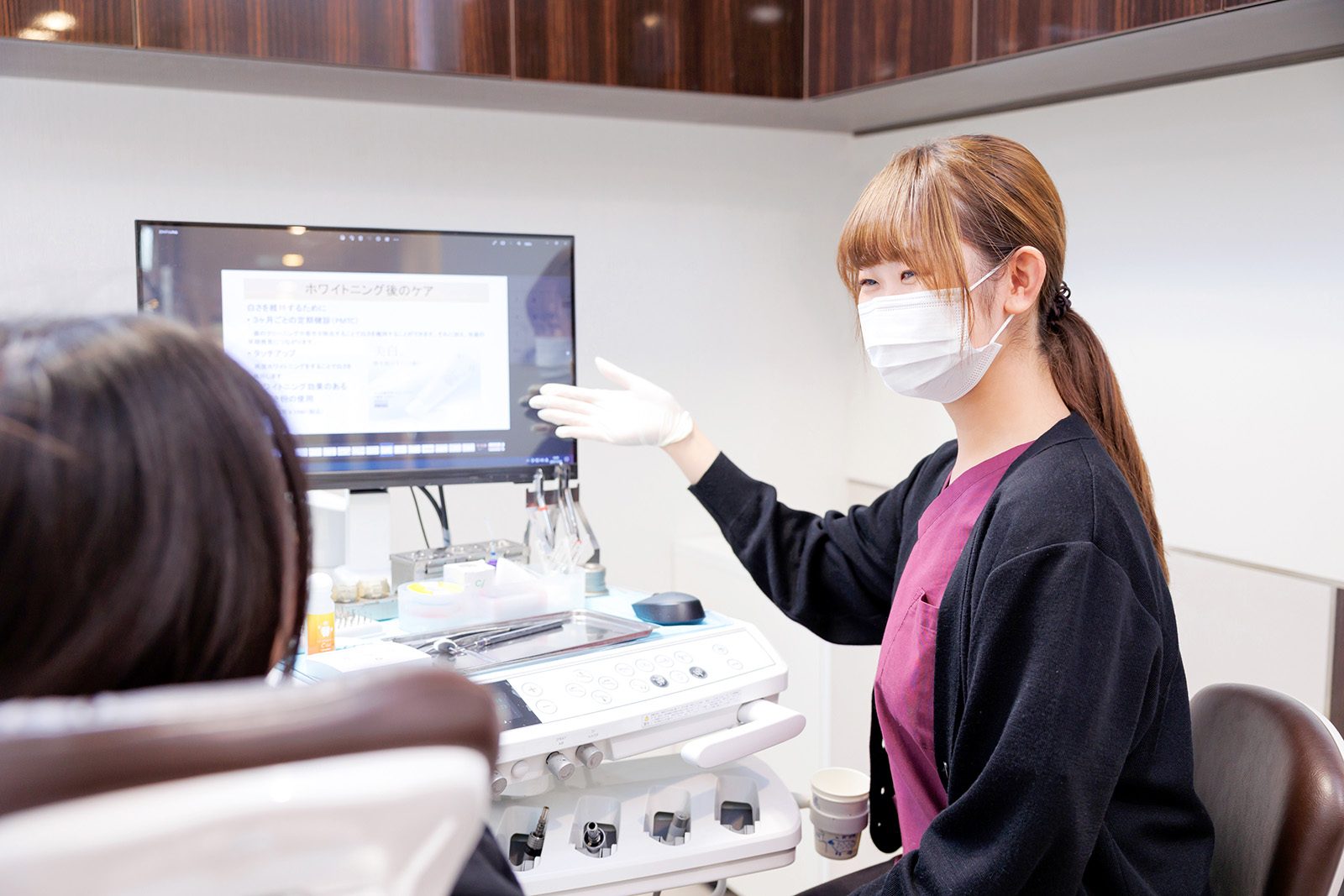
Teeth are very hard and firmly embedded in the jawbone. So it may seem strange that they gradually move once orthodontic appliances are fitted.
In fact, when a gentle force keeps pushing a tooth in the same direction, the tooth gradually moves that way. This is also why the front teeth can stick out if a habit such as thumb-sucking or chewing on pencils continues. In this article, we explain how teeth move in orthodontic treatment and who tends to see faster movement.
The periodontal ligament and bone that support the teeth
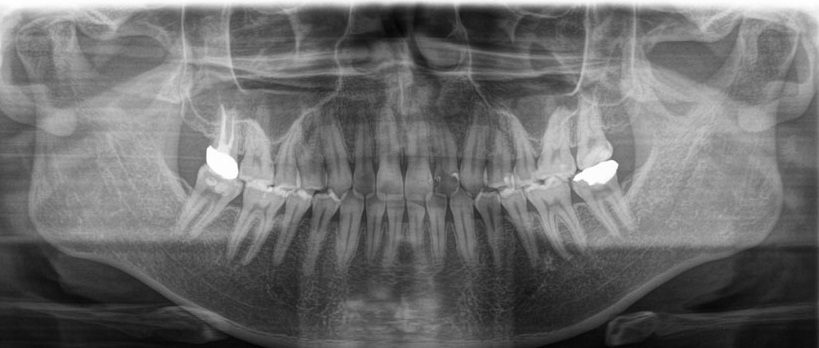
Between the tooth root and the bone that supports it (alveolar bone) is a thin membrane called the periodontal ligament. It acts like a cushion that softens biting forces, and it also contains cells that build and break down bone. Teeth move in orthodontic treatment thanks to the work of this ligament and the bone.
Teeth move through bone "resorption" and "formation"
When an orthodontic appliance applies force to a tooth, the periodontal ligament on the side the tooth is pushed toward is compressed, and blood flow in that area decreases slightly. The body then tries to restore the original state: cells that break down bone (osteoclasts) go to work and gradually dissolve the bone on the pushed side (resorption).
On the opposite side, which is being pulled, the ligament stretches and cells that build bone (osteoblasts) fill the gap with new bone (formation). As resorption and formation repeat, the tooth moves little by little through the bone. The key point is that bone is not simply lost; the tooth is supported by bone again in its new position.
Why teeth are moved gradually with gentle force
Teeth are said to move about 0.5 to 1 mm per month. Applying strong force does not make them move faster. If the force is too strong, blood flow in the periodontal ligament stops, which can actually make the teeth harder to move and raise the risk of the roots becoming shorter (root resorption). That is why orthodontic treatment applies gentle, continuous force and moves the teeth gradually, with adjustments about once a month.
Pain right after the appliance is fitted or after an adjustment is caused by inflammation as the periodontal ligament is compressed. It usually peaks after 2 to 3 days and often settles in about a week.
Who tends to see faster tooth movement
How easily teeth move varies from person to person. Growing children have softer bone, and their teeth tend to move easily even with gentle force. People with little crowding who need only small movements also tend to have shorter treatment periods. Getting good sleep, eating a balanced diet and keeping the body's metabolism healthy are also thought to help the tissues around the teeth work well.
With aligner-type appliances or orthodontics that uses elastics, it is also important to follow the set wearing times carefully. If they are not worn long enough, the teeth do not move as planned and treatment takes longer.
Habits that interfere with treatment
- Often keeping the mouth hanging open
- Resting your chin on your hand, or sleeping face down
- Thumb-sucking or nail-biting
- Pushing the front teeth with the tongue, or always resting the tongue against the front teeth
- Chewing only on one side
These habits keep putting gentle force on the teeth, which can interfere with orthodontic treatment or cause the teeth to move back afterwards. Try to correct them consciously when you notice them. Tongue position and habits are hard to notice yourself, so when needed, we may combine orthodontic treatment with exercises to train the tongue and the muscles around the mouth (MFT).
Summary
Teeth move in orthodontic treatment because, through the work of the periodontal ligament, bone on the pushed side dissolves and new bone forms on the opposite side. Moving teeth gradually with gentle force is important for the teeth and bone. If you have any questions about how your teeth are moving or about your habits, please feel free to ask at your visits.
ESCA Dental & Orthodontic Clinic is in the ESCA underground shopping mall, a 1-minute walk from the Shinkansen exit of JR Nagoya Station. Appointments by phone (+81-52-452-1255), online booking (Japanese) or LINE.
Main risks and side effects
- During orthodontic treatment, pain or discomfort may occur as the teeth move
- If brushing is not thorough, the risk of tooth decay and gum disease increases
- Roots may become shorter (root resorption) and gums may recede. After treatment, teeth may move back if the retainer is not used
Orthodontic treatment is self-paid (not covered by insurance). Costs vary depending on the appliance and treatment period, so we explain them after a detailed examination (see our fee table for a guide).
Frequently asked questions
Q. Will teeth move faster if stronger force is applied?
No. If the force is too strong, it can actually make the teeth harder to move and raise the risk of the roots becoming shorter. The basic approach is to move them gradually with gentle force.
Q. Do teeth move in adults too?
Yes. Teeth move in adults too, through the work of the periodontal ligament and bone. Compared with children, the movement tends to be slower.
Q. Can teeth move back after orthodontic treatment ends?
The bone around teeth that have just been moved is not yet stable, so the teeth tend to move back. We use a retainer to stabilize the alignment.
Related pages
Medical review
This article was reviewed by Katsuaki Takeuchi, DDS (Director; Board-certified oral surgeon, Japanese Society of Oral and Maxillofacial Surgeons), ESCA Dental & Orthodontic Clinic. It provides general information; please consult a dentist about your own condition.
Appointments and questions
Mon–Fri 10:00–13:00 / 14:30–19:30 · Sat & Sun 10:00–13:00 / 14:00–18:00 (open every other Sunday) · Closed on national holidays. Our staff mainly speak Japanese.