
Implant Check-Ups and Care: How to Prevent Peri-Implantitis
Published: 2024-01-23 · Updated: 2026-11-22 · Medically reviewed by Katsuaki Takeuchi, DDS (Director; Board-certified oral surgeon, Japanese Society of Oral and Maxillofacial Surgeons)
What you will learn
- Why implant treatment is not "finished" once the implant is placed
- Symptoms and causes of peri-implant mucositis and peri-implantitis
- Daily care to make implants last and what is done at regular check-ups
More and more people who have lost a tooth are choosing implants as a treatment that lets them chew with a feel close to their own teeth. After a long course of treatment, when the final artificial tooth is placed, people tend to think "the treatment is over," but in fact it is not.
To use implants comfortably for a long time, daily care after placement and regular maintenance at the dental clinic are very important. In this article, we explain the diseases that occur around implants and the key points for making them last.
Implants can also get a disease similar to gum disease
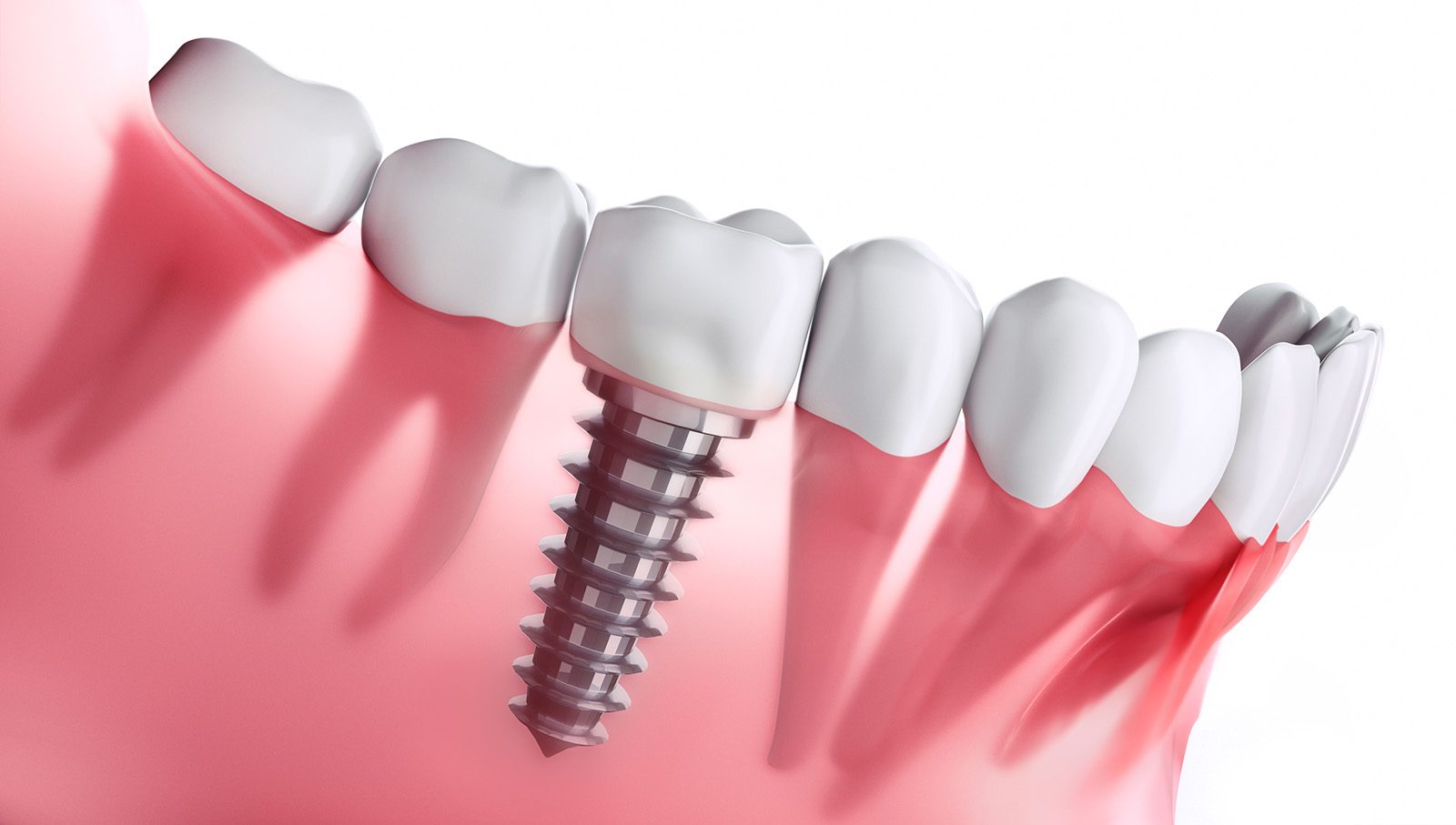
An implant consists of three parts: the implant body embedded in the jawbone, the abutment that serves as a base, and the superstructure, which is the artificial tooth. Because it is artificial, it does not decay. However, if self-care and maintenance are neglected, inflammation can occur in the gums and bone around the implant.
This disease around implants is said to progress faster and become more severe than gum disease around natural teeth. That is why prevention is so important.
Differences between natural teeth and implants
Between a natural tooth and the bone is a tissue called the periodontal ligament, which supplies nutrients through the blood and helps protect the gums from bacteria. Also, in natural teeth, the fibers of the gums attach firmly toward the root, so their structure makes it harder for bacteria to get in.
Implants have no periodontal ligament, and the implant body is attached directly to the bone. The attachment to the gums is also not as strong as with natural teeth, so bacteria can more easily get in through the gap between the implant and the gums. For this reason, implants need even more careful cleaning than natural teeth.
Peri-implant mucositis and peri-implantitis
Peri-implant mucositis
This is a condition in which inflammation occurs only in the gums (mucosa) around the implant. The gums may swell or bleed when you brush. At this stage, the bone that supports the implant has not yet been damaged, so improvement can be expected with careful care and cleaning.
Peri-implantitis
This is a condition in which the inflammation has spread from the gums to the bone that supports the implant. Blood or pus may come from the gums, or the gums may recede so that the implant body becomes visible. As it progresses further, the bone dissolves, the implant becomes loose, and it may eventually fall out. In severe cases, surgical treatment may be needed.
As with gum disease around natural teeth, the main cause of inflammation is plaque. When debris is left after brushing, bacteria multiply and dissolve the bone that supports the implant. Smoking, diabetes, and grinding or clenching also make peri-implantitis more likely.
What you can do to make implants last
Daily self-care
A toothbrush alone cannot fully clean the border between the implant and the gums or the spaces next to neighboring teeth. Use interdental brushes, floss, or a single-tuft brush with a small head to keep debris from building up. Our dental hygienists will advise each patient on tools and brushing methods suited to the shape of their implant.
Also, if teeth other than the implant develop gum disease, the balance of the bite can be lost and the implant may come under strain. Keeping your whole mouth clean helps protect your implants.
Regular check-ups (maintenance)
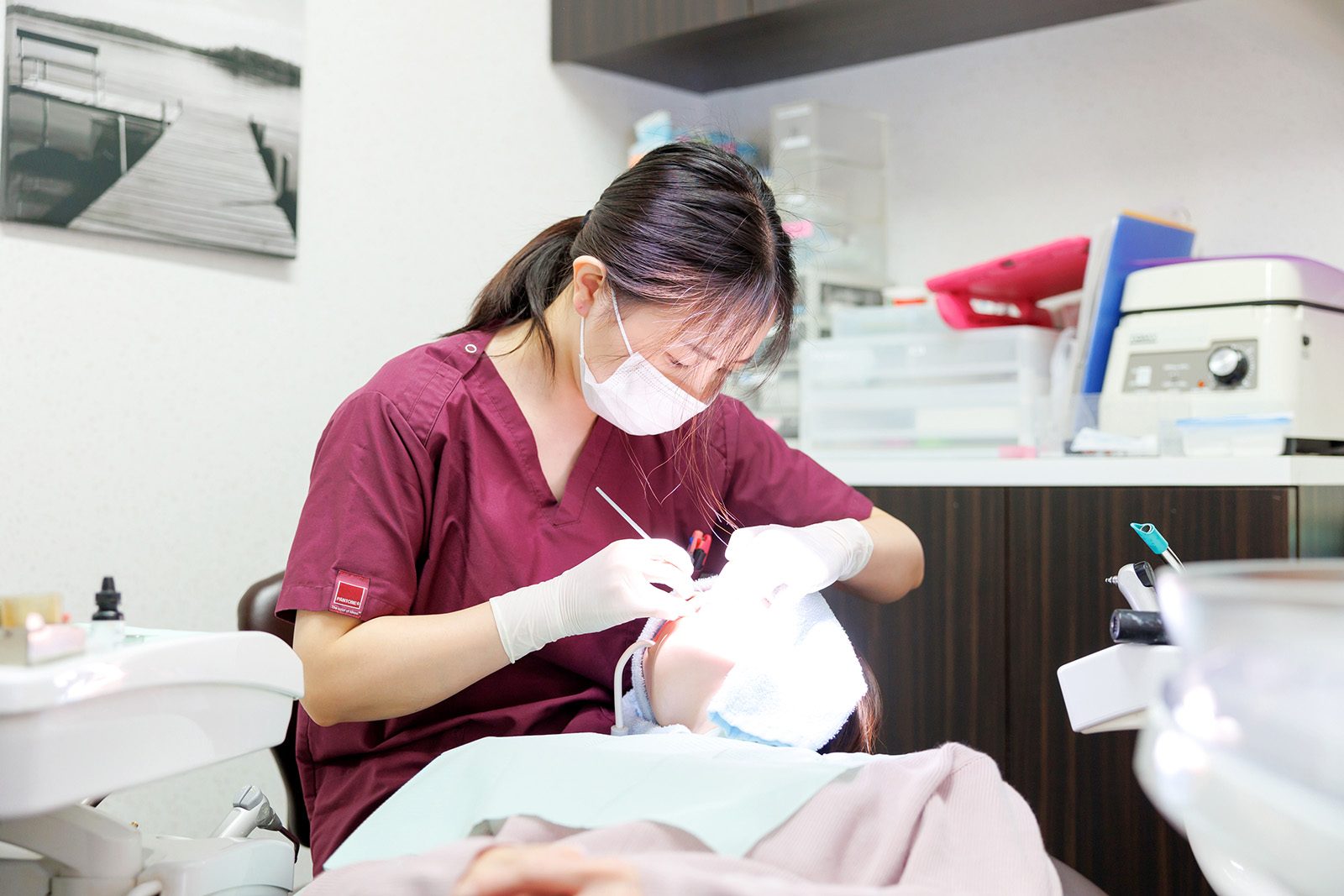
After an implant is placed, have maintenance at a dental clinic about once every 3 months as a guide. At check-ups, we clean areas that self-care cannot easily reach, check the condition of the gums, and check the bone with X-rays to find problems early.
Checking the bite
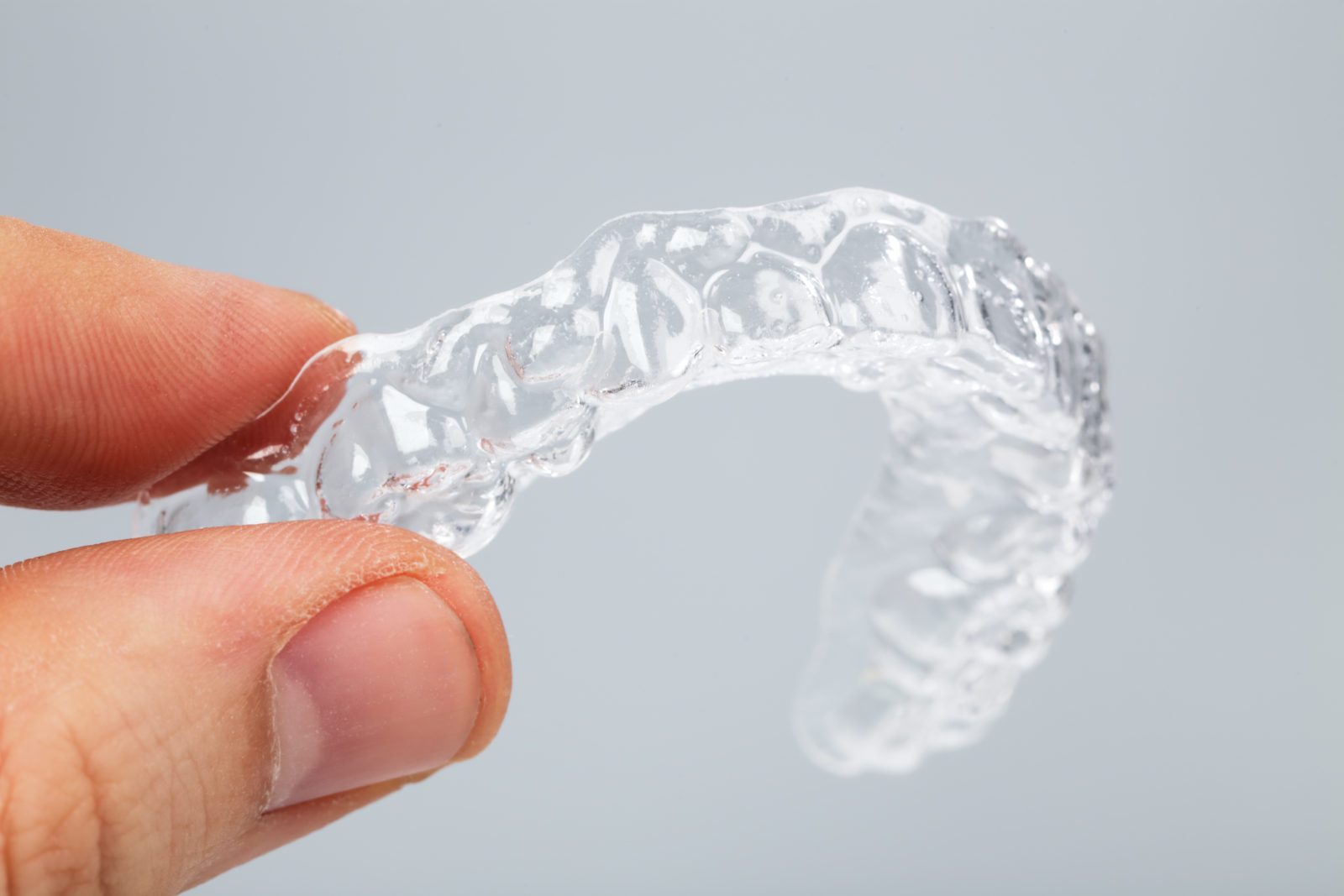
Implants have no periodontal ligament to soften biting forces, so strong forces may be applied without you noticing, causing the artificial tooth to chip or the screw to loosen. At check-ups, we also check the bite and adjust it as needed. For people who grind their teeth during sleep, a mouthguard (night guard) can protect the implant.
Summary
The goal of implant treatment is not the moment the artificial tooth is placed, but maintaining a state in which you can chew comfortably for a long time afterwards. Implants do not decay, but care is needed to prevent peri-implantitis. Protect your implants with careful daily self-care and regular maintenance at the dental clinic. If you are concerned about how your implant feels, please feel free to consult us.
ESCA Dental & Orthodontic Clinic is in the ESCA underground shopping mall, a 1-minute walk from the Shinkansen exit of JR Nagoya Station. Appointments by phone (+81-52-452-1255), online booking (Japanese) or LINE.
Main risks and side effects
- Implant surgery may cause pain, swelling, bleeding or bruising, and in rare cases bacterial infection, nerve paralysis (numbness of the lip or chin), or inflammation of the maxillary sinus (the cavity beside the nose)
- If the implant does not bond well with the bone, or if care is insufficient and peri-implantitis occurs, the implant may need to be removed. Diabetes and smoking can affect healing and the long-term outcome
Frequently asked questions
Q. How often should I have implant check-ups?
About once every 3 months is a guide. We suggest an interval based on the condition of your mouth and how prone you are to gum disease.
Q. Is bleeding around an implant a bad sign?
It may be a sign of peri-implant mucositis or peri-implantitis. See a dentist early to have it checked.
Q. Can you maintain implants placed at another dental clinic?
Yes, please consult us. Depending on the type of implant, we may not be able to replace some parts, so bringing information from the clinic where you were treated makes things smoother.
Medical review
This article was reviewed by Katsuaki Takeuchi, DDS (Director; Board-certified oral surgeon, Japanese Society of Oral and Maxillofacial Surgeons), ESCA Dental & Orthodontic Clinic. It provides general information; please consult a dentist about your own condition.
Appointments and questions
Mon–Fri 10:00–13:00 / 14:30–19:30 · Sat & Sun 10:00–13:00 / 14:00–18:00 (open every other Sunday) · Closed on national holidays. Our staff mainly speak Japanese.