
What Are Dental Implants? How They Work, Pros, Cons and Differences
Published: 2025-12-30 · Updated: 2026-11-22 · Medically reviewed by Katsuaki Takeuchi, DDS (Director; Board-certified oral surgeon, Japanese Society of Oral and Maxillofacial Surgeons)
What you will learn
- How implants work (three parts) and the treatment steps
- Advantages and disadvantages compared with dentures and bridges
- Differences from natural teeth, and what matters for making implants last
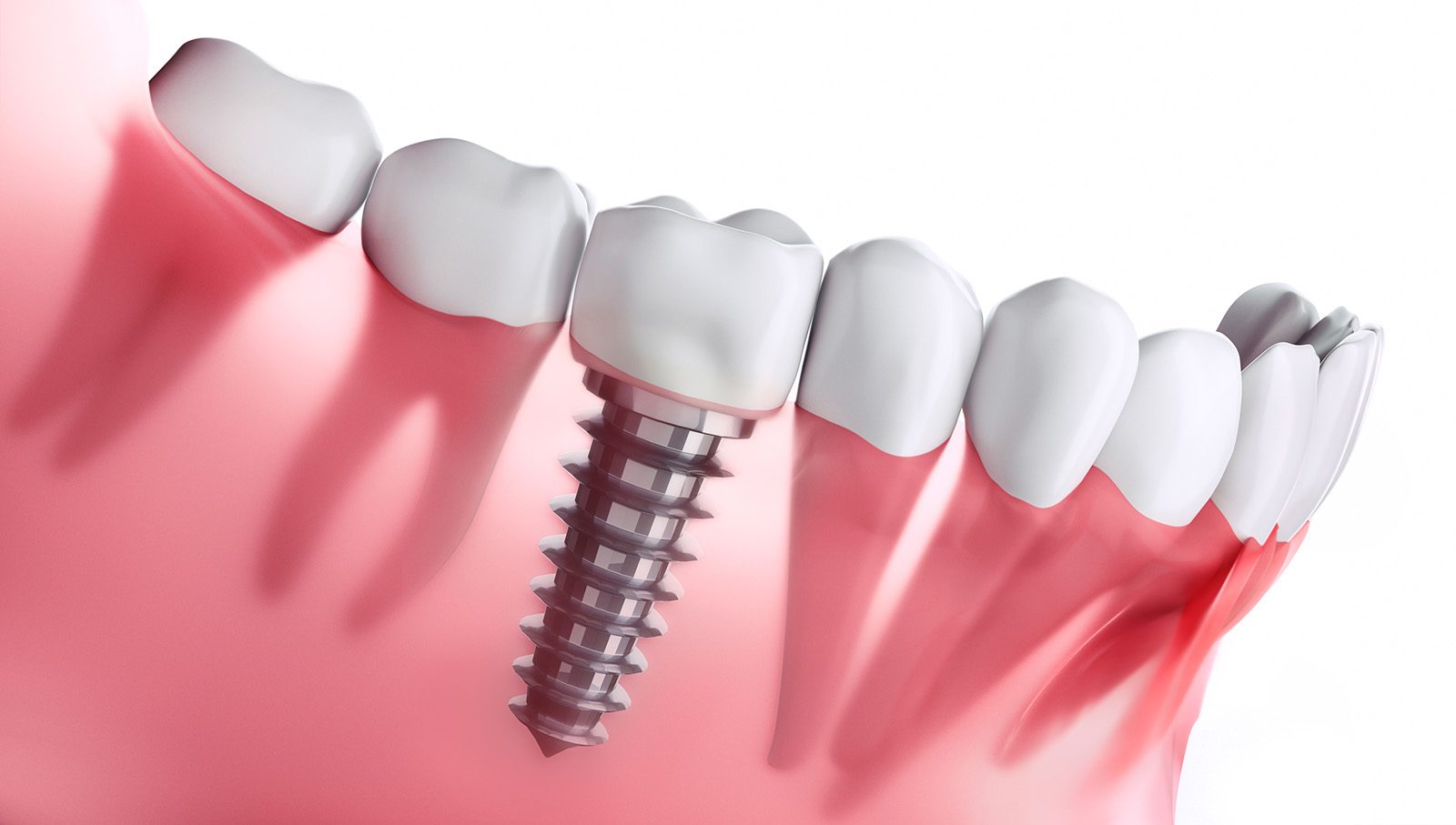
When a tooth is lost to decay, gum disease or injury, it can be replaced with a denture, a bridge or an implant. Implants are said to let you chew with a feel close to your own teeth, but there are also points to know, such as the need for surgery, cost and treatment time.
This article explains how implants work, the treatment steps, their advantages and disadvantages, and how they differ from natural teeth.
What is an implant? It is made of three parts
An implant is a treatment in which an artificial tooth root is placed in the jawbone where a tooth has been lost, and an artificial tooth is attached on top. It is mainly made by combining the following three parts.
- Implant body (artificial tooth root): a screw-shaped part made of titanium or similar material, placed in the jawbone
- Abutment: the part that connects the implant body and the artificial tooth
- Superstructure (artificial tooth): the tooth part, made of ceramic or similar material
Besides teeth lost to decay or gum disease, implants are also used for teeth lost in accidents and for people born with missing teeth. However, implants may not be suitable depending on the amount of jawbone and your general health.
Implant treatment steps
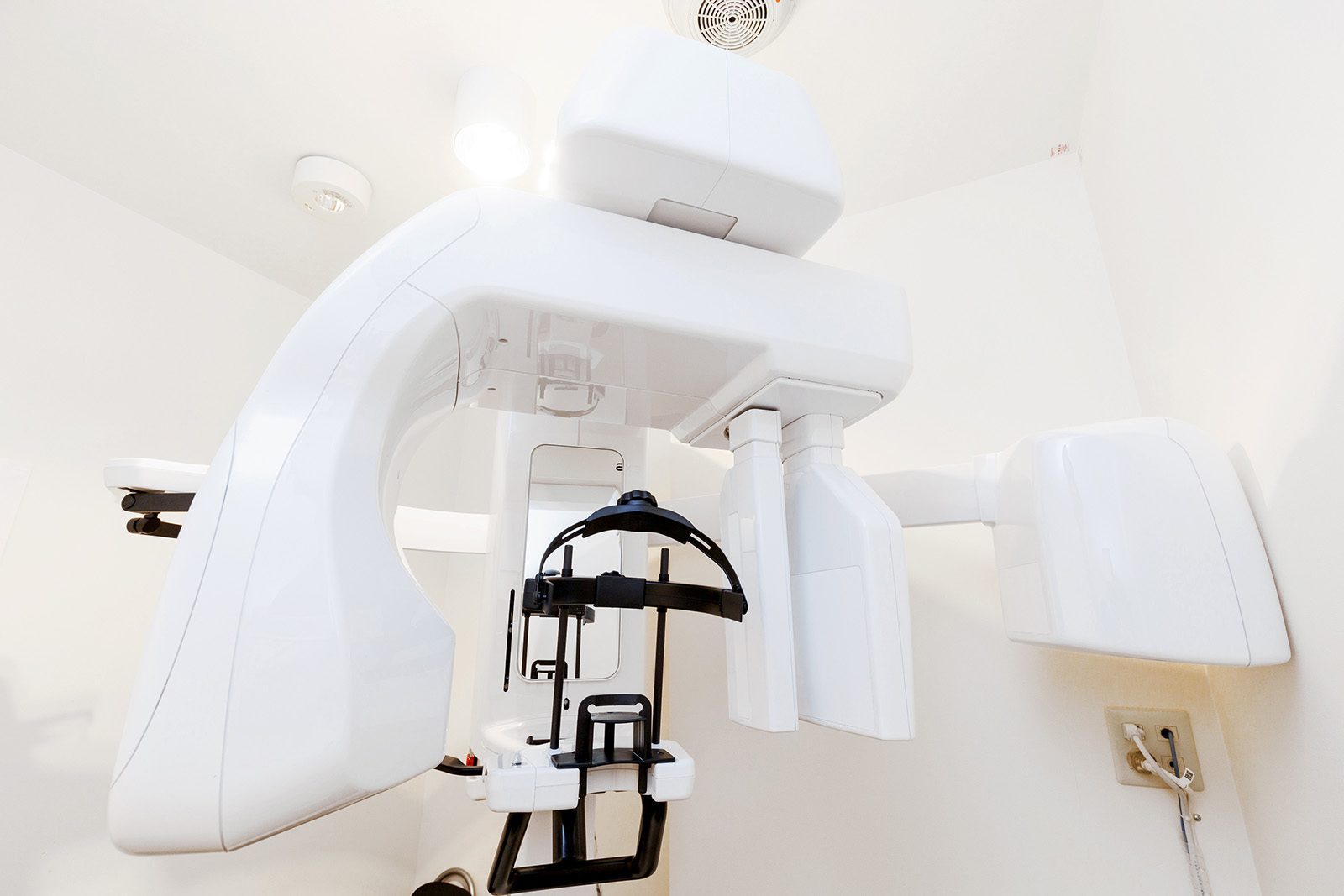
In implant treatment, we first take a CT scan to check the jawbone in three dimensions. CT shows the thickness and density of the bone, the distance to nerves, and for the upper jaw, the distance to the maxillary sinus (the cavity beside the nose). Based on the results, we decide on the type of implant and the treatment method suited to you.
In surgery, the implant body is placed in the jawbone under anesthesia. We then wait several months until the implant body and bone bond firmly (osseointegration). If there is not enough bone, a procedure to add bone may be needed. Once bonded, the abutment is attached, and finally the artificial tooth is attached to complete the treatment.
Advantages of implants
Less strain on surrounding teeth
A bridge involves reshaping the teeth on both sides of the gap and connecting them like a bridge. A partial denture is supported by clasps on surrounding teeth, which puts force on those teeth and can make them loose. Because an implant is supported by the jawbone, healthy teeth do not need to be reshaped or strained.
Firm chewing and a natural look
Because it is fixed in the jawbone, you can chew more firmly than with dentures, and there are fewer food restrictions. It does not need to be removed, and artificial teeth made of ceramic or similar materials can be matched to the color and shape of surrounding teeth for a natural look. Also, the jawbone shrinks after a tooth is lost, but with an implant, chewing force is transmitted to the bone, which is expected to reduce bone loss.
Disadvantages and points to note
- Surgery is required (done under local anesthesia similar to a tooth extraction)
- It may take several months to about a year before the artificial tooth is placed
- It is self-paid treatment, so it costs more
- Daily care and regular maintenance are needed after treatment
- Treatment may be difficult depending on the amount of bone or general health conditions such as diabetes
Differences between natural teeth and implants
Around the root of a natural tooth is a thin cushion-like tissue called the periodontal ligament. When you bite, the tooth sinks very slightly, which softens the force, and the ligament also acts as a sensor that senses chewing force. An implant is directly attached to the bone, so it has neither this cushion nor this sensor. As a result, strong forces can be applied without your noticing, and careful attention must be paid to adjusting the bite.
The periodontal ligament also supplies nutrients through the blood and protects the gums from bacteria. Implants lack this function, so they are said to be more vulnerable to bacteria than natural teeth, and inflammation spreads more easily. Implants do not get tooth decay, but they can develop peri-implantitis, which is similar to gum disease. As it progresses, the bone dissolves and the implant may come out, so care after placement is very important.

Summary
Implants are a treatment that places little strain on surrounding teeth and is expected to allow firm chewing. On the other hand, there are points to know, such as the need for surgery, the time and cost, and maintenance after placement. Nothing is better than your natural teeth, but when a tooth is lost, it is important to consider implants as one option with an understanding of their advantages and disadvantages. At ESCA Dental & Orthodontic Clinic, after a CT examination, we explain all the options, including dentures and bridges. Please feel free to consult us first.
ESCA Dental & Orthodontic Clinic is in the ESCA underground shopping mall, a 1-minute walk from the Shinkansen exit of JR Nagoya Station. Appointments by phone (+81-52-452-1255), online booking (Japanese) or LINE.
Main risks and side effects
- Implant surgery can cause pain, swelling, bleeding and bruising, and rarely bacterial infection, nerve paralysis (numbness of the lips or chin), or inflammation of the maxillary sinus (the cavity beside the nose)
- If the implant does not bond well with the bone, or if care is insufficient, peri-implantitis may occur and the implant may need to be removed. Diabetes and smoking can affect healing and the course of treatment
Implant treatment is self-paid (not covered by insurance). Fees vary depending on the number of implants, the condition of the bone and whether bone augmentation is needed. Please see our fee list for standard fees.
Frequently asked questions
Q. How long do implants last?
It varies greatly depending on the condition of your mouth, daily care and regular maintenance. With proper care, they can be expected to last a long time.
Q. Does implant surgery hurt?
The surgery is done under local anesthesia similar to a tooth extraction. Pain and swelling may occur after the anesthesia wears off, so we prescribe painkillers. If you are afraid of surgery, we may suggest IV sedation.
Q. Can anyone have implants?
It may be difficult depending on the amount of jawbone, general health conditions such as diabetes or osteoporosis, and smoking. We check with CT and other examinations before explaining.
Related pages
Medical review
This article was reviewed by Katsuaki Takeuchi, DDS (Director; Board-certified oral surgeon, Japanese Society of Oral and Maxillofacial Surgeons), ESCA Dental & Orthodontic Clinic. It provides general information; please consult a dentist about your own condition.
Appointments and questions
Mon–Fri 10:00–13:00 / 14:30–19:30 · Sat & Sun 10:00–13:00 / 14:00–18:00 (open every other Sunday) · Closed on national holidays. Our staff mainly speak Japanese.