
Risks of Silver Fillings and How to Choose White Restorations
Published: 2024-04-09 · Updated: 2026-11-22 · Medically reviewed by Katsuaki Takeuchi, DDS (Director; Board-certified oral surgeon, Japanese Society of Oral and Maxillofacial Surgeons)
What you will learn
- The advantages of silver fillings and four risks to know about
- Differences between insured white fillings and self-paid ceramics and zirconia
- The steps and points to note when replacing silver fillings with white ones
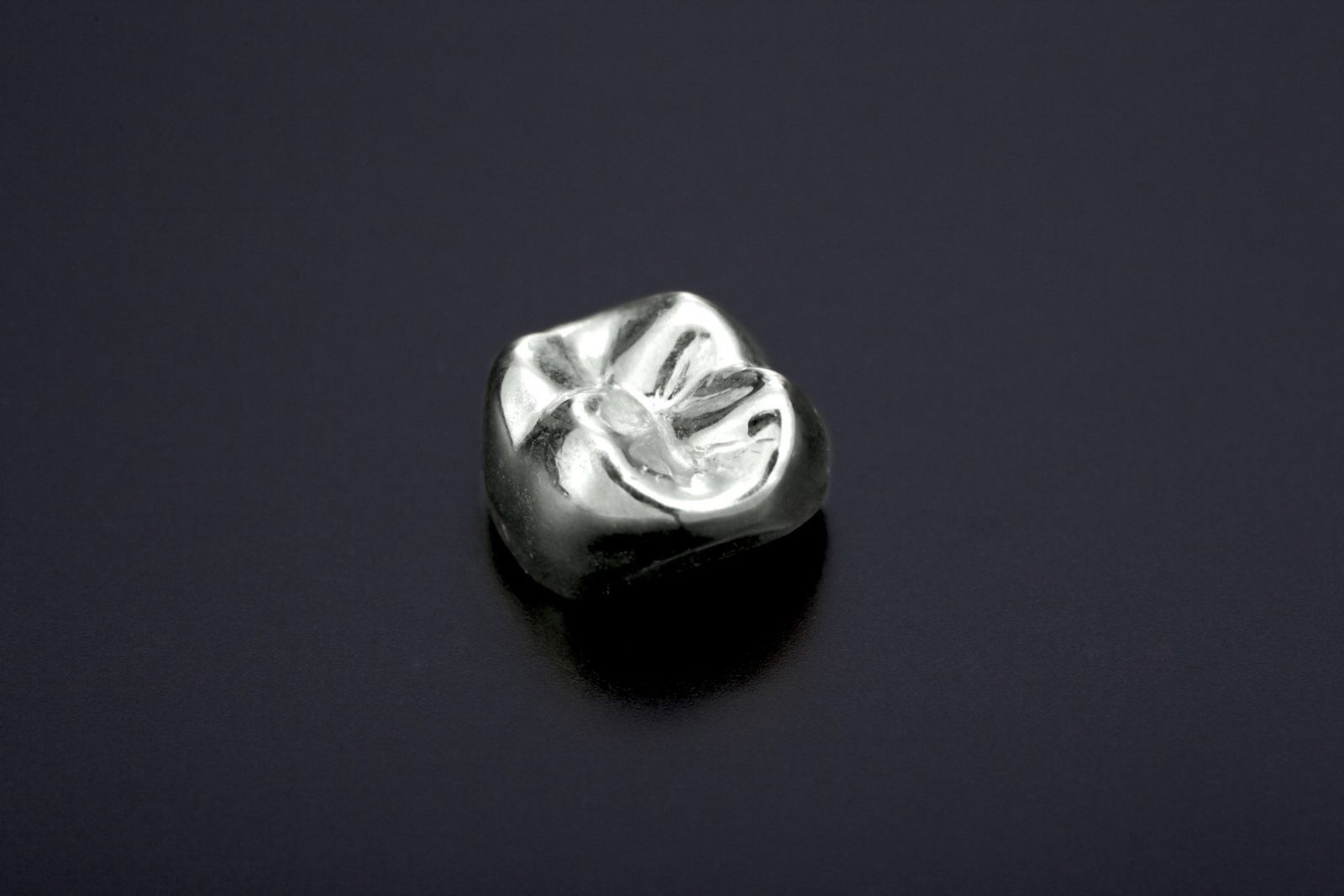
If you have had tooth decay treated in the past, you may well have silver fillings or crowns in your mouth. Those on the upper back teeth may not stand out, but silver on the lower teeth is surprisingly visible when you open your mouth.
Silver fillings have the advantages of being strong and covered by Japanese public health insurance. However, they also have risks you should know about. In this article, we explain the risks of silver fillings and how to choose when replacing them with white materials.
Advantages of silver fillings
Silver fillings and crowns are made of metals such as gold-silver-palladium alloy. Because they are metal, they are strong and hard to break, and a major advantage is that they are covered by Japanese public health insurance. For a long time, they have been the main type of insured filling and crown.
Four risks of silver fillings
1. They are noticeable
Because they are metal-colored, they can be more visible to others than you think when you smile or talk. Some people feel self-conscious about their mouth and cannot smile freely.
2. They may cause metal allergy
Metal in the mouth may gradually dissolve in tiny amounts as ions when it comes into contact with saliva and acids from food. It is said that, in rare cases, these ions are absorbed into the body and cause metal allergy. Symptoms may appear later from silver fillings that have been used for a long time.
3. Secondary caries (decay under the filling)
Silver fillings are fixed in place with cement rather than bonded to the tooth. Over long use, the cement may deteriorate or the metal may wear, creating gaps or steps. Bacteria can get in there, and decay can recur under the silver filling. Because it cannot be seen from the outside, it may already have progressed by the time it is noticed.
4. Darkening of the teeth and gums (metal tattoo)
Dissolved metal can seep into the gums and make them look dark, like a tattoo. This is called a "metal tattoo." The tooth itself may also look darker. In addition, metal can be scratched by acidic foods and biting forces, and may rust or corrode.
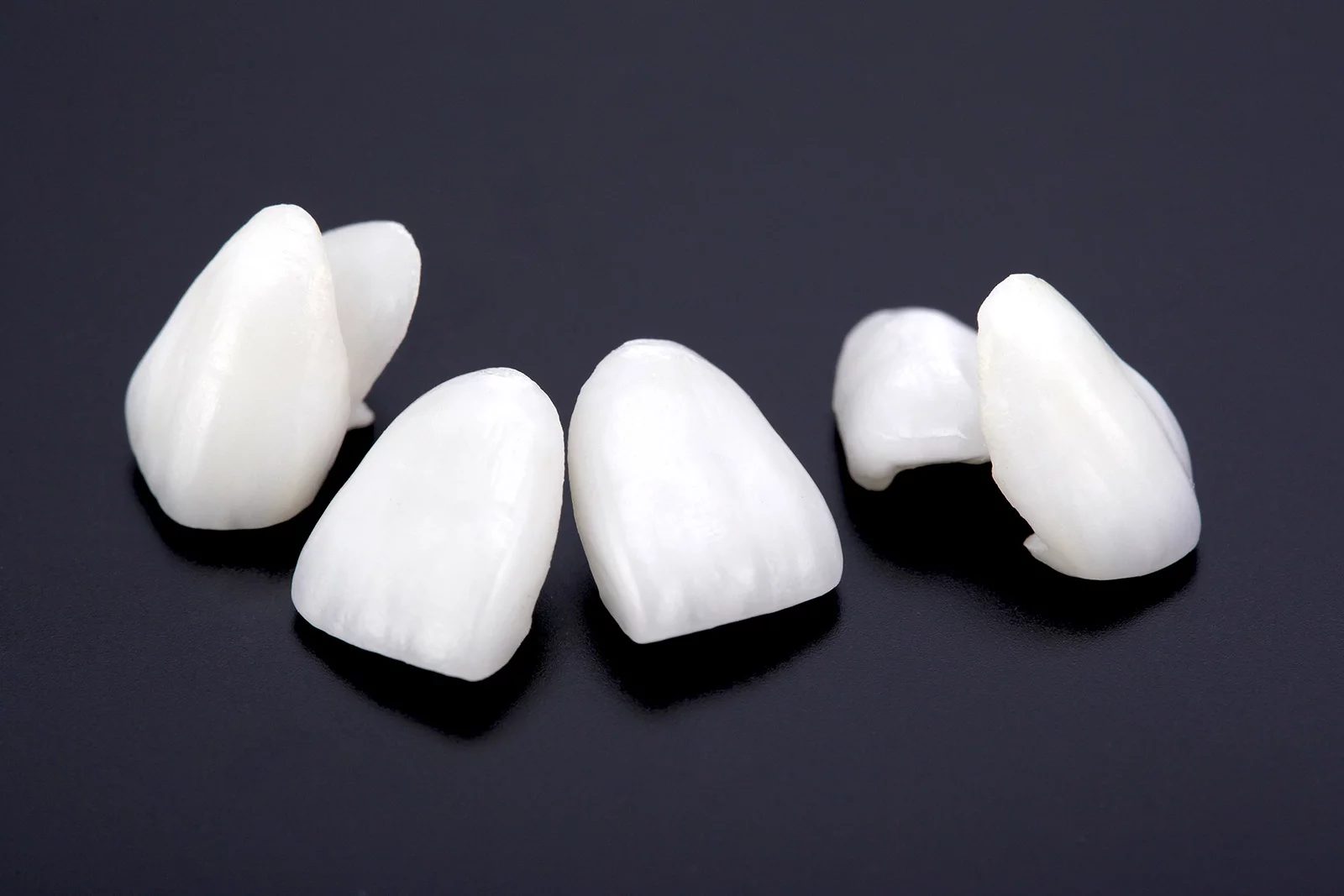
Types of white fillings and crowns
White materials covered by insurance include plastic (resin) fillings and, when certain conditions are met, white crowns. They have the advantage of looking white, but resin easily absorbs stains and moisture and may discolor or wear down over time. It is also not very strong, so it can chip easily.
As self-paid options, you can choose ceramics or zirconia. Ceramics have a color and translucency close to natural teeth, resist discoloration and do not stain easily. Zirconia is very strong and is easy to use for back teeth and for people with a strong bite. Neither uses metal, so there is no concern about metal allergy or darkened gums, and because gaps are less likely to form between the restoration and the tooth, they are said to make it easier to keep the risk of secondary caries down.
As a rough guide, one way to choose is insured materials if you expect to replace them within a short time, and self-paid materials if you want to use them for a long time.
Steps for replacing silver fillings with white ones
First, we examine your mouth and use X-rays and other methods to check whether there is decay under the silver filling. Next, we explain which materials suit you and the differences in appearance, strength and cost, and decide after hearing your wishes. We remove the silver filling, remove any decay, take an impression, and then make and fit the new filling or crown.
When a silver filling is removed, decay may be found underneath, and the treatment may be more extensive than expected. Also, ceramics may require removing slightly more of the tooth and can chip under strong force, so it is important to choose after understanding the advantages and disadvantages.
Summary
Silver fillings have the advantages of being strong and covered by insurance, but they also carry risks such as being noticeable, metal allergy, secondary caries and darkened gums. It is important to choose fillings and crowns knowing these risks. Whether you are about to have tooth decay treated or would like to make your current silver fillings white, please feel free to consult us.
ESCA Dental & Orthodontic Clinic is in the ESCA underground shopping mall, a 1-minute walk from the Shinkansen exit of JR Nagoya Station. Appointments by phone (+81-52-452-1255), online booking (Japanese) or LINE.
Main risks and side effects
- Ceramics may chip or crack under strong force
- More of the tooth may need to be removed than with other materials
- After treatment, the tooth may be sensitive to cold for a while. Decay (secondary caries) can also form through gaps around fillings or crowns
Fillings and crowns made of ceramics, gold and similar materials are self-paid (not covered by insurance). Please see our fee table for standard costs.
Frequently asked questions
Q. Should I have my silver fillings removed right away?
There is no need to rush to remove silver fillings that are working without problems. Consider replacing them if you are concerned about their appearance, if there are gaps or decay, or if you are worried about metal allergy.
Q. If I switch to white teeth, will I not get decay?
Ceramics and similar materials are said to be less likely to form gaps, but that does not mean decay cannot occur. It is important to keep brushing every day and have regular check-ups.
Q. Can I find out whether I have a metal allergy?
You can be tested with a patch test at a dermatology clinic or similar facility. If you have symptoms of concern, please consult us.
Related pages
Medical review
This article was reviewed by Katsuaki Takeuchi, DDS (Director; Board-certified oral surgeon, Japanese Society of Oral and Maxillofacial Surgeons), ESCA Dental & Orthodontic Clinic. It provides general information; please consult a dentist about your own condition.
Appointments and questions
Mon–Fri 10:00–13:00 / 14:30–19:30 · Sat & Sun 10:00–13:00 / 14:00–18:00 (open every other Sunday) · Closed on national holidays. Our staff mainly speak Japanese.