
How Long Should You Brush? Why 3 Minutes and What Matters More
Published: 2024-07-18 · Updated: 2026-11-22 · Medically reviewed by Katsuaki Takeuchi, DDS (Director; Board-certified oral surgeon, Japanese Society of Oral and Maxillofacial Surgeons)
What you will learn
- Why about 3 minutes is the usual guide for brushing time
- Tips for brushing "evenly and carefully," which matters more than time
- How to brush after meals and before bed, and tips for busy days
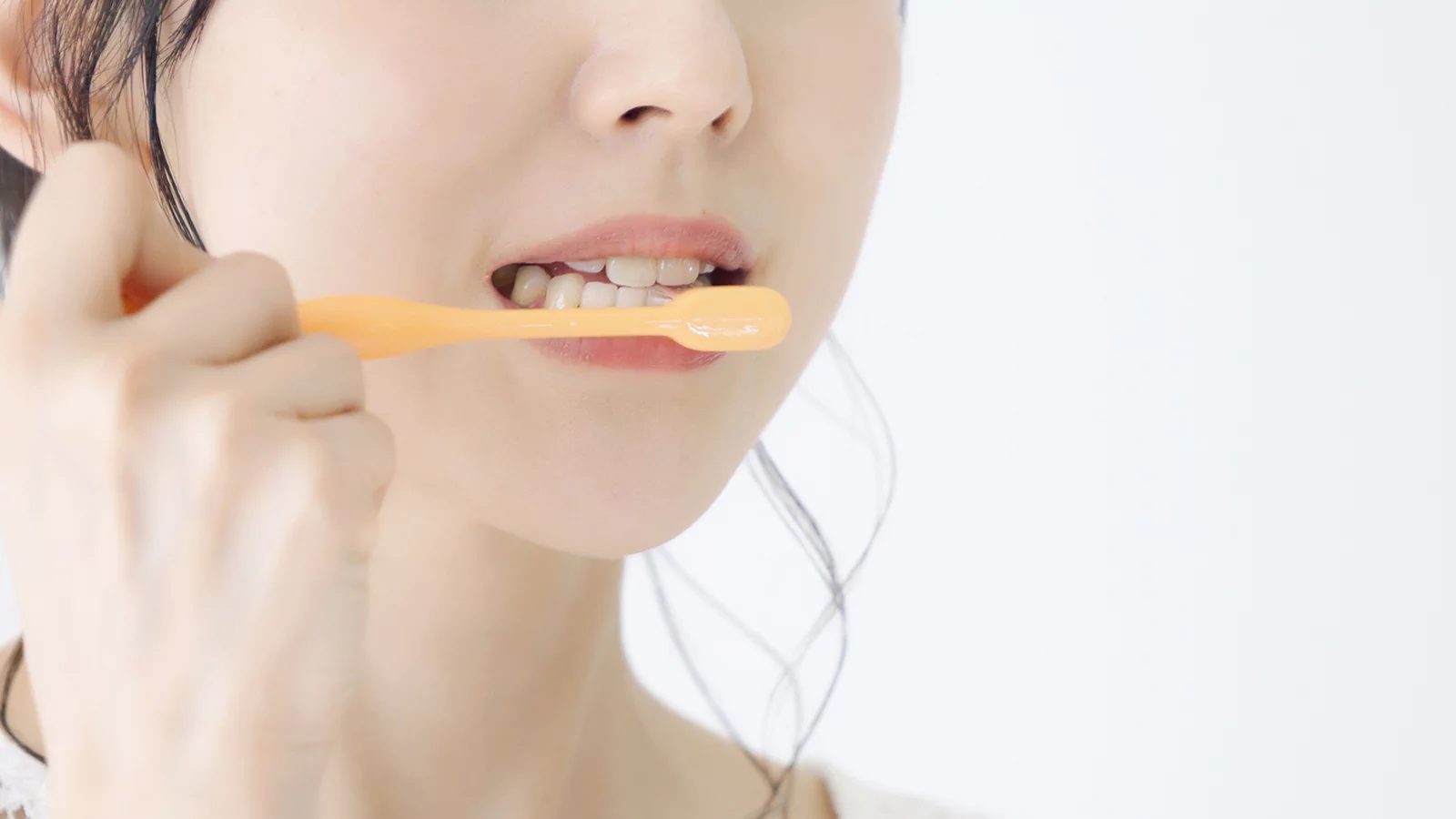
We are often asked, "How many minutes should I brush my teeth?" Because it is something you do every day, many people may wonder whether their current brushing is good enough.
In fact, there is no exact right answer, but there is a guide. In this article, we explain how long to spend brushing and what matters more than time.
About 3 minutes is the guide for brushing
A national survey in Japan reportedly found that many people spend "1 to less than 3 minutes" per brushing. In general, about 3 minutes per brushing is said to be a guide. Adults have 28 teeth (32 including wisdom teeth), and cleaning the outer, inner and biting surfaces of each one inevitably takes about 3 minutes.
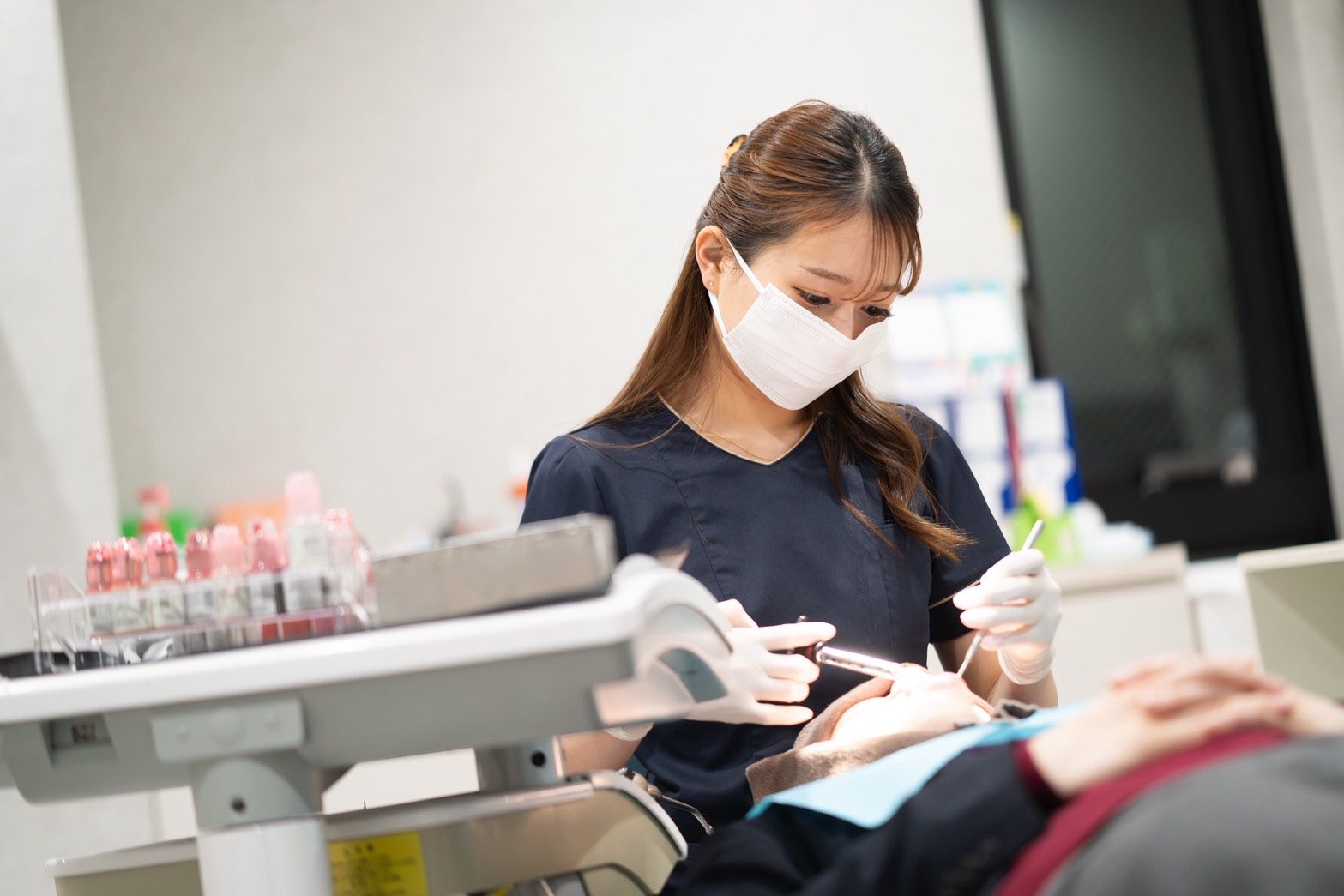
When a dental hygienist at a clinic carefully brushes each tooth, it can take about 10 minutes. If your usual brushing is over in about 1 minute, you may be leaving plaque behind.
What matters is how much debris you remove, not the time
That said, brushing longer is not necessarily better. Even if you brush for 5 minutes, scrubbing the same spot over and over leaves debris elsewhere. Brushing hard for a long time can also wear down the teeth or cause the gums to recede.
The purpose of brushing is to remove food debris and plaque, which causes tooth decay and gum disease. Plaque is sticky and does not come off by rinsing; it needs to be scrubbed off with a toothbrush. Rather than focusing on the length of time, pay attention to whether you are brushing "in a balanced way, covering every area."
Tips for brushing evenly
Using light pressure, move the toothbrush in small strokes and brush one or two teeth at a time. About 10 to 20 small back-and-forth strokes per spot is a guide. Deciding on a brushing order reduces missed spots. For example, we recommend brushing in one continuous path, such as "start on the outer side of the upper right back teeth, go to the left back, then come back along the inner side."
The following areas are especially prone to leftover plaque, so brush them carefully and consciously.
- The grooves on the biting surfaces of the back teeth
- Between the teeth
- Where the teeth meet the gums
- The inner side of the front teeth
- Teeth of different heights and overlapping teeth
Brushing after meals and before bed
When you eat, cavity-causing bacteria feed on the sugar in food debris and multiply, sticking to the teeth as plaque. The bacteria in plaque produce acid that dissolves the teeth. Brushing after meals removes the plaque that causes decay and the food debris that feeds it. Ideally, brush three times a day: after breakfast, after lunch, and after dinner (or before bed).
The most important brushing of the day is before bed. During sleep, saliva decreases, the mouth dries easily, and bacteria multiply more easily. Going to sleep with a dirty mouth raises the risk of tooth decay and gum disease. Before bed, brush especially carefully, together with floss or interdental brushes.
When you are too busy to take the time
If it is hard to take a long time after every meal, give priority to spending time on careful brushing before bed. At lunchtime, brush even for a short time, or if that is difficult, simply rinsing your mouth with water makes a difference. If timing 3 minutes is hard, one idea is to use your smartphone timer or play one of your favorite songs.
Using fluoride toothpaste helps make plaque easier to remove and strengthens the teeth. Rinsing only once or twice with a small amount of water after brushing helps the fluoride stay in your mouth.
Summary
With about 3 minutes as a guide, it is important to focus on brushing "every corner carefully" rather than on the length of time. Because tooth alignment and gum condition differ from person to person, brushing your own way can easily leave plaque behind. At your regular check-ups, have a dental hygienist check how you brush and find a method that suits you.
ESCA Dental & Orthodontic Clinic is in the ESCA underground shopping mall, a 1-minute walk from the Shinkansen exit of JR Nagoya Station. Appointments by phone (+81-52-452-1255), online booking (Japanese) or LINE.
Frequently asked questions
Q. Should I brush for 3 minutes with an electric toothbrush too?
An electric toothbrush removes debris more easily in less time than brushing by hand, but it still takes about 2 minutes to reach every tooth. Be conscious of placing it on each tooth one at a time.
Q. I can only brush once a day.
If you brush only once, brush carefully before bed. We recommend also using floss or interdental brushes.
Q. Is brushing longer always better?
Brushing every area evenly matters more than the length of time. Brushing hard for a long time can damage the teeth and gums.
Related pages
Medical review
This article was reviewed by Katsuaki Takeuchi, DDS (Director; Board-certified oral surgeon, Japanese Society of Oral and Maxillofacial Surgeons), ESCA Dental & Orthodontic Clinic. It provides general information; please consult a dentist about your own condition.
Appointments and questions
Mon–Fri 10:00–13:00 / 14:30–19:30 · Sat & Sun 10:00–13:00 / 14:00–18:00 (open every other Sunday) · Closed on national holidays. Our staff mainly speak Japanese.