
5 Common Toothbrushing Mistakes and How to Brush Correctly
Published: 2026-05-22 · Updated: 2026-11-22 · Medically reviewed by Katsuaki Takeuchi, DDS (Director; Board-certified oral surgeon, Japanese Society of Oral and Maxillofacial Surgeons)
What you will learn
- Five common toothbrushing mistakes
- How each one affects your teeth and gums
- Tips for brushing correctly, starting today
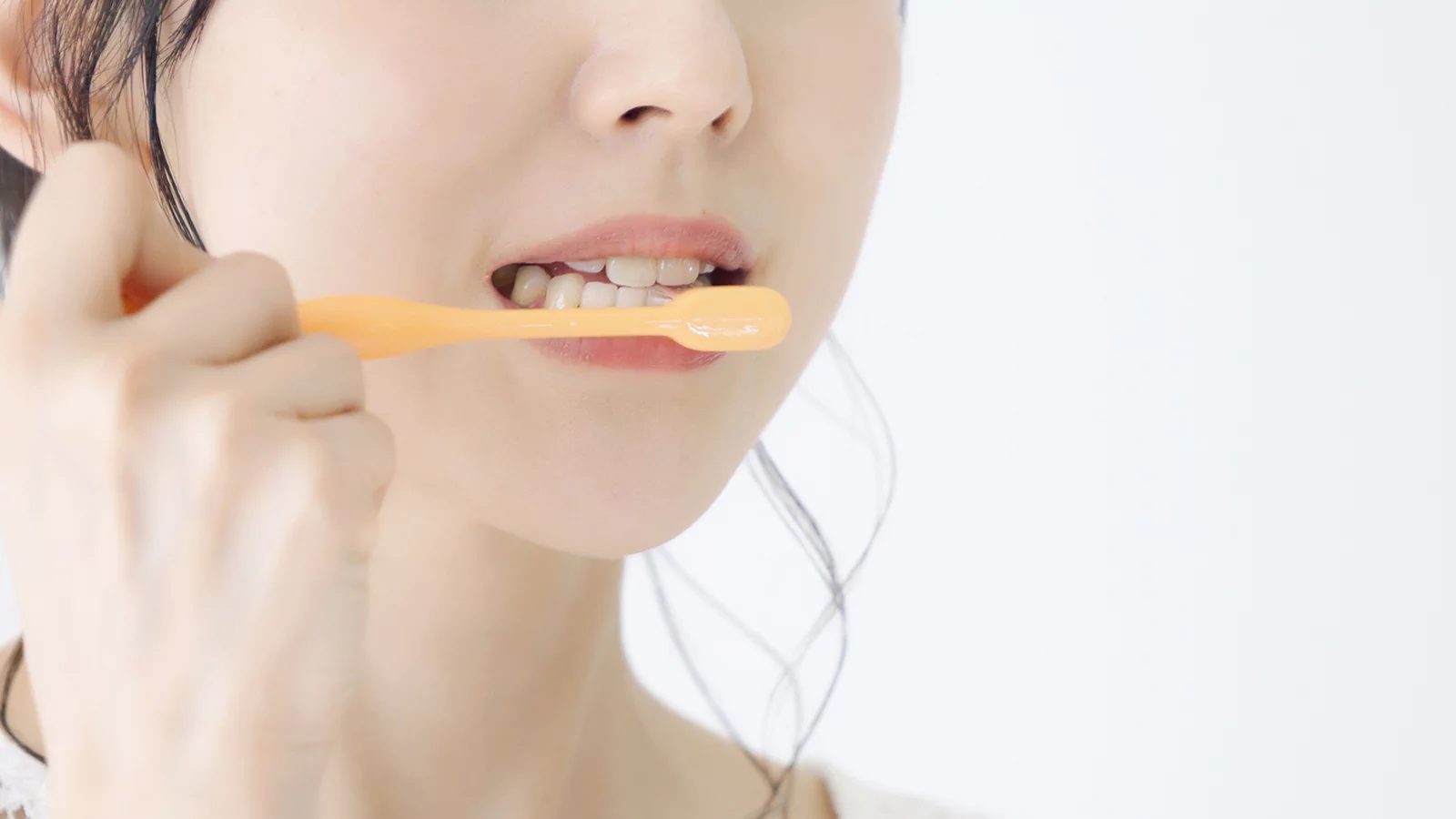
You brush every day without fail, yet you keep getting cavities or gum problems. If that sounds like you, your brushing habits may be part of the reason.
In this article we introduce five common toothbrushing mistakes and the correct way to brush, starting today.
Mistake 1: Scrubbing hard
If you press too hard because you want to brush thoroughly, you can damage your teeth and gums. If you keep brushing with strong force and large side-to-side strokes, the following problems become more likely.
- Receding gums
- Wear at the base of the teeth, making them sensitive to cold (dentin hypersensitivity)
- Fine scratches on the tooth surface that stain more easily
- Toothbrush bristles that splay out quickly and clean less well
The answer is "gently, with small strokes". Hold the toothbrush lightly like a pen, place the bristle tips on the teeth and move them in small strokes.
Mistake 2: Brushing right after eating something acidic
Right after you have had something acidic, such as fizzy drinks, alcohol, citrus fruit or dishes made with vinegar, the tooth surface is temporarily softened. Brushing hard at this time makes the surface more likely to wear away.
After something acidic, we recommend rinsing your mouth with water first and waiting about 30 minutes before brushing. After an ordinary meal, it is fine to brush soon.
Mistake 3: Using a toothbrush for too long
A toothbrush with splayed bristles is much less effective at removing plaque. Even if the bristles have not splayed, they gradually lose their springiness. As a guide, replace your toothbrush once a month. Even if you think it is still usable, go ahead and replace it.

Mistake 4: Not using floss
It is said that a toothbrush alone removes only about 60% of the plaque between the teeth. The spaces between teeth are where the causes of cavities, bad breath and gum disease tend to build up. Make it a habit to use floss or an interdental brush once a day, even if only before bed.
Mistake 5: Brushing while distracted and finishing without thinking
When you brush while looking at your smartphone or the TV, you may find yourself brushing the same area over and over, and miss other spots. If you do brush while doing something else, keep the following in mind.
- Decide on an order for brushing (for example: upper right outer side, then front teeth, then upper left outer side, then upper left inner side, and so on)
- Check in the mirror from time to time that the bristles are reaching the teeth
- Take at least 2 to 3 minutes
- Finish by cleaning between your teeth with floss
Tips for brushing correctly, starting today
- Place the bristle tips at about a 45-degree angle where the teeth meet the gums
- Move the brush in small strokes 10 to 20 times, one or two teeth at a time
- Do not forget the grooves on the chewing surfaces of the back teeth and the inner sides of the teeth
- Use a fluoride toothpaste and rinse just once with a small amount of water
- Take extra care at night
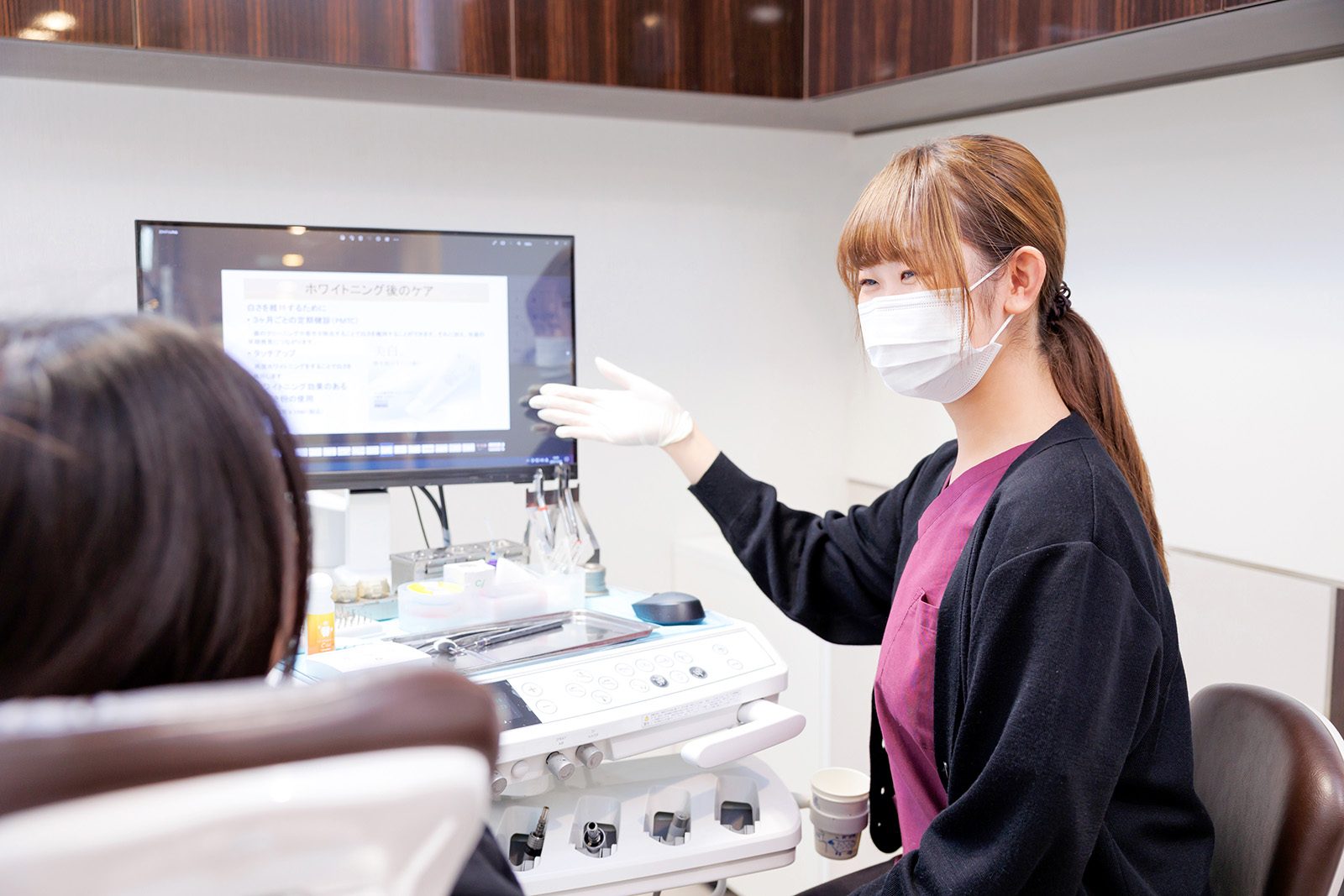
Have your habits checked at a dental clinic
Brushing habits are hard to notice on your own. At the clinic, we use a plaque-disclosing solution and intraoral photos to find the places you tend to miss, and suggest a brushing method and tools that suit you.
Signs that it is time to review how you brush
- Your toothbrush bristles splay out within 1 to 2 weeks
- The base of your teeth is worn into a wedge shape
- Cold things make your teeth sensitive
- You feel your gums have started to recede
- The same spot bleeds every time you brush
If your bristles splay quickly or the base of your teeth is worn, you may be brushing too hard. Bleeding may be a sign that plaque is left in that spot and the gums are inflamed. Either way, please ask us at your checkup.
Summary: changing small habits can reduce the strain on your teeth
Even daily brushing can strain your teeth and gums because of small habits. If you feel you brush properly but still have many problems, try reviewing how you brush. Please feel free to ask us at your checkup.
ESCA Dental & Orthodontic Clinic is in the ESCA underground shopping mall, a 1-minute walk from the Shinkansen exit of JR Nagoya Station. Appointments by phone (+81-52-452-1255), online booking (Japanese) or LINE.
Frequently asked questions
Q. How many times a day should I brush?
We recommend brushing at least twice a day, taking particular care before bed. More important than the number of times is whether you are removing the plaque properly.
Q. Does a firm toothbrush clean better?
A firm toothbrush removes plaque easily, but it is also more likely to damage the gums and tooth surface. For most people we recommend "medium", and "soft" for people with delicate gums or who brush hard.
Q. Should I avoid brushing right after eating?
After an ordinary meal, it is fine to brush soon. Only right after something acidic, such as fizzy drinks or citrus fruit, rinse with water and wait a little before brushing.
Related pages
Medical review
This article was reviewed by Katsuaki Takeuchi, DDS (Director; Board-certified oral surgeon, Japanese Society of Oral and Maxillofacial Surgeons), ESCA Dental & Orthodontic Clinic. It provides general information; please consult a dentist about your own condition.
Appointments and questions
Mon–Fri 10:00–13:00 / 14:30–19:30 · Sat & Sun 10:00–13:00 / 14:00–18:00 (open every other Sunday) · Closed on national holidays. Our staff mainly speak Japanese.