
What Is Floor Floss? Fluffy Fibers That Clean Between Your Teeth
Published: 2026-07-13 · Updated: 2026-11-22 · Medically reviewed by Katsuaki Takeuchi, DDS (Director; Board-certified oral surgeon, Japanese Society of Oral and Maxillofacial Surgeons)
What you will learn
- Why plaque tends to stay between teeth with a toothbrush alone
- Features of Floor Floss and the benefits of flossing
- How to floss, with tips for beginners
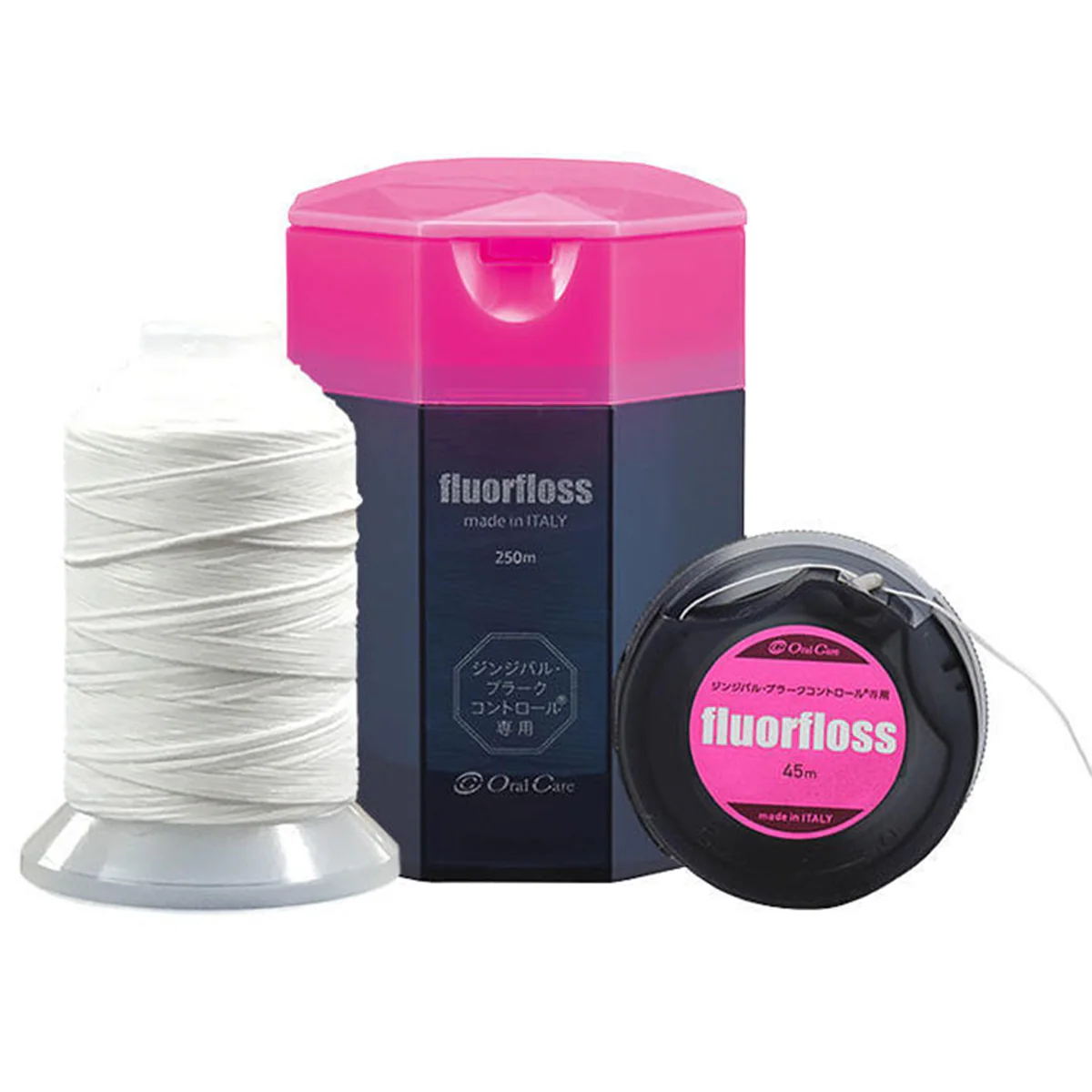
Even if you brush every day, a toothbrush alone is said to leave about 40% of the plaque between your teeth. Plaque left between teeth is a major cause of tooth decay and gum disease.
This article introduces Floor Floss, a floss that is easy to use for cleaning between teeth, and tips for flossing.
Spaces between teeth are where decay and gum disease start easily
Toothbrush bristles have trouble reaching between teeth, so plaque tends to remain there. Tooth decay often starts between teeth and is hard to see from outside, so by the time you notice it, it may already be large.
Gum disease, meanwhile, has almost no symptoms in its early stages and progresses without you noticing. As it advances, it causes swollen or bleeding gums and bad breath, and can eventually dissolve the bone that supports the teeth, which can cause tooth loss.
Features of Floor Floss
- Made of many fine fibers that easily catch plaque between teeth
- Soft material that is gentle on the gums and easy to use for first-time flossers
- When moistened with saliva, the fibers fluff up, making it easier to remove plaque from tooth surfaces and along the gumline
There are many kinds of floss, and the right one depends on your mouth, for example if your teeth are tightly packed or you have many fillings. We will recommend one that suits your mouth.
Benefits of flossing
- Prevents decay between teeth
- Prevents gum disease
- Prevents bad breath
- Gum inflammation may settle and bleeding may decrease
- Helps you notice small cavities or fillings that catch
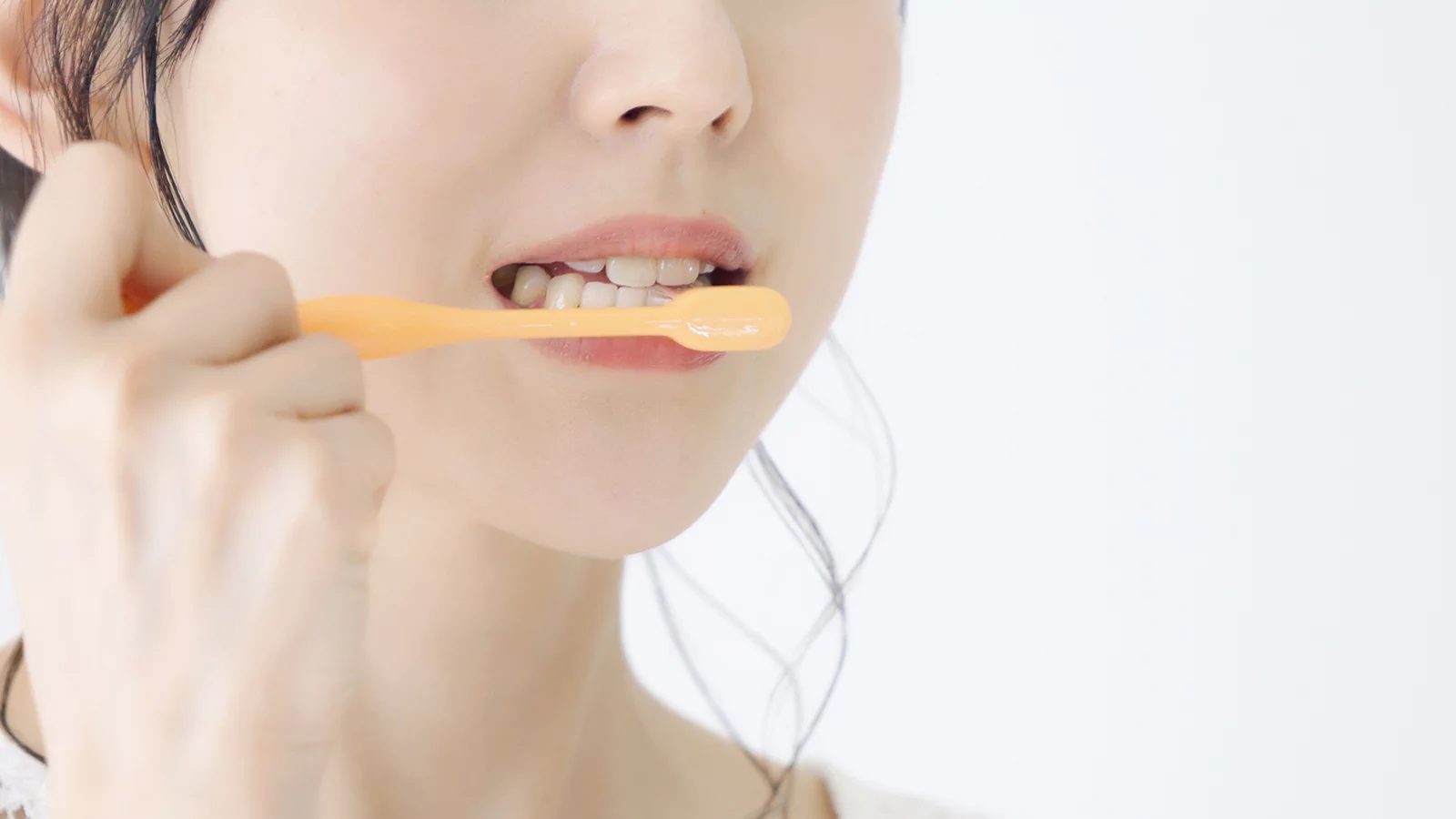
How to floss: a guide for beginners
- Cut about 40 cm of floss, wind it around both middle fingers, and leave 1-2 cm between your fingers
- Ease it slowly between the teeth with a gentle back-and-forth sawing motion (forcing it in can injure the gums)
- Curve it into a C shape against one tooth surface and rub upward from slightly below the gumline a few times
- Do the same against the neighboring tooth surface
- Move to a fresh section of floss as you go and clean between all your teeth
We recommend flossing once a day when you brush before bed. If you are not used to it yet, a floss holder with a handle is easier to use.
If your gums bleed when you floss
Bleeding when flossing is often a sign of gum inflammation. If you keep flossing gently and removing plaque, bleeding often decreases within 1-2 weeks. If bleeding continues, there may be tartar, so have it checked at a dental clinic.

Care to combine with flossing
After removing plaque between teeth with floss, brushing with fluoride toothpaste helps fluoride reach the spaces between teeth too. It is also a good idea to combine tools for each area: interdental brushes for wider gaps, and single-tuft brushes for crowded teeth.
Floss is meant to be used once and thrown away. Reusing the same section can spread plaque and bacteria to other areas.
Floss for children too
The spaces between baby molars are prone to decay. Once the back teeth have come in, parents can clean between them with a floss holder during finishing brushing.
Summary: brushing plus floss cleans between your teeth too
Adding floss to your daily brushing lets you clean areas a toothbrush cannot reach, helping prevent tooth decay and gum disease. If you are worried about using it properly, our staff will show you how. Please feel free to ask.
ESCA Dental & Orthodontic Clinic is in the ESCA underground shopping mall, a 1-minute walk from the Shinkansen exit of JR Nagoya Station. Appointments by phone (+81-52-452-1255), online booking (Japanese) or LINE.
Frequently asked questions
Q. Should I use floss or an interdental brush?
Floss is suited to tight spaces between teeth, while interdental brushes are suited to wider gaps or areas where the gums have receded. We recommend using them according to your mouth.
Q. My floss catches or shreds.
There may be a rough edge on a filling or a cavity. If it keeps happening, have it checked at a dental clinic.
Q. Should I floss every day?
We recommend once a day before bed. Flossing daily makes it harder for plaque to build up between teeth.
Related pages
Medical review
This article was reviewed by Katsuaki Takeuchi, DDS (Director; Board-certified oral surgeon, Japanese Society of Oral and Maxillofacial Surgeons), ESCA Dental & Orthodontic Clinic. It provides general information; please consult a dentist about your own condition.
Appointments and questions
Mon–Fri 10:00–13:00 / 14:30–19:30 · Sat & Sun 10:00–13:00 / 14:00–18:00 (open every other Sunday) · Closed on national holidays. Our staff mainly speak Japanese.