
Expansion Plates in Child Orthodontics: How They Work and How to Use
Published: 2024-12-12 · Updated: 2026-11-22 · Medically reviewed by Katsuaki Takeuchi, DDS (Director; Board-certified oral surgeon, Japanese Society of Oral and Maxillofacial Surgeons)
What you will learn
- How an expansion plate works, and when to start
- How to turn the screw and wear it, and how to avoid breaking it
- Advantages and points to note, and how Phase 1 and Phase 2 treatment relate
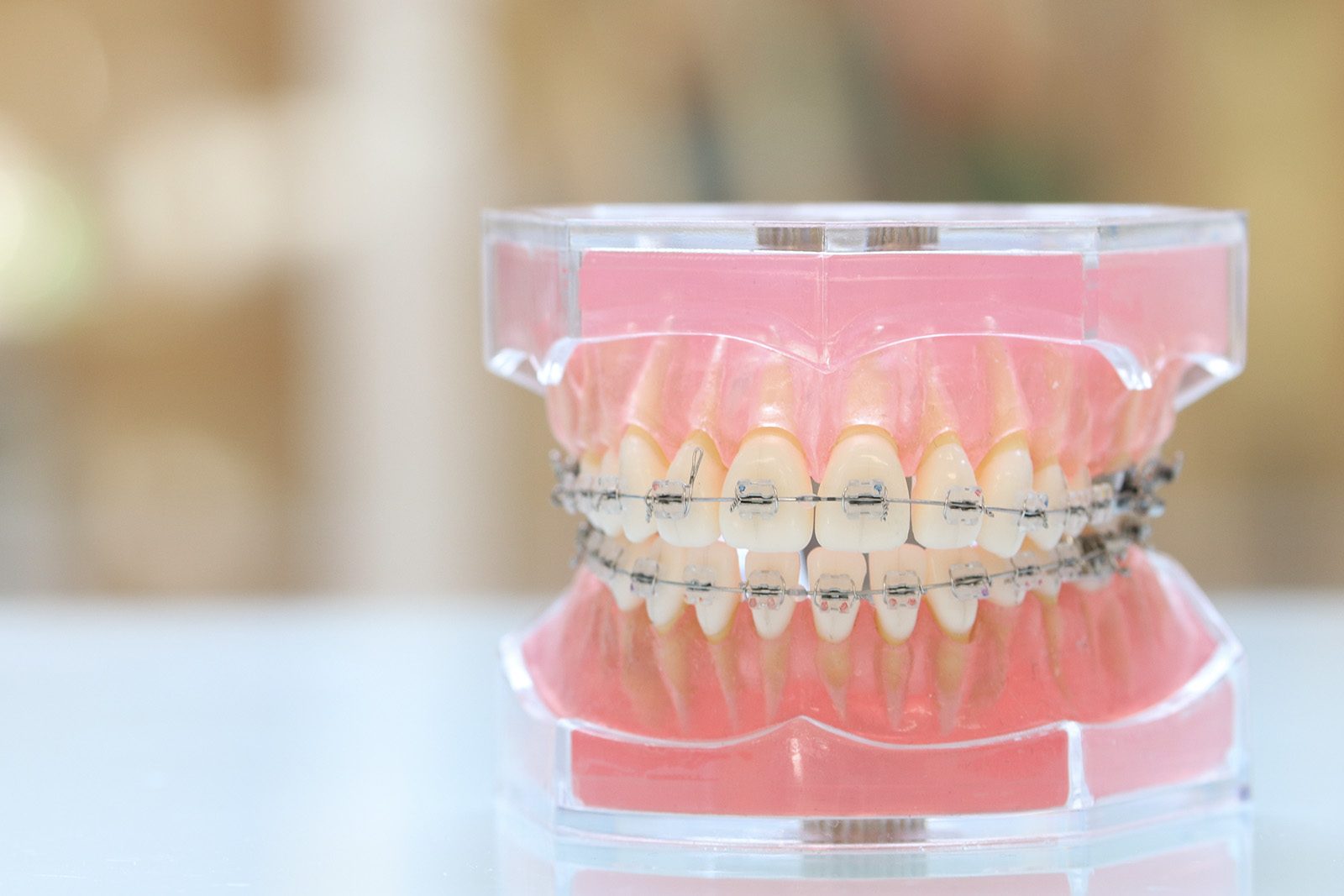
"The baby teeth were lined up without gaps, but now that the adult teeth are coming in, they are getting crooked." We hear this concern very often. Permanent teeth are larger than baby teeth, so if the jaw is not wide enough, there is not enough room for the teeth to line up and they come in overlapping.
In children's orthodontics, an appliance called an expansion plate is sometimes used to create this room. In this article, we explain how an expansion plate works, how to use it, and its advantages and points to note.
What is an expansion plate?
An expansion plate is a removable appliance designed to widen the dental arch sideways or move teeth slightly. It is made of a plastic plate shaped to fit the gums and wires that hook onto the teeth, and in the center of the appliance there is a screw called an expansion screw.
By turning this screw little by little to widen the appliance, the teeth and the bone that supports them (alveolar bone) are pushed outward, creating room for the permanent teeth to line up.
When to start
Expansion plates are mainly used for children in the early years of primary school, during the "mixed dentition" stage when baby teeth and permanent teeth are mixed. Around age 6, when the upper and lower front teeth are being replaced and crowding starts to appear, is one guide for a consultation. Children who have no gaps between their baby teeth are said to be more likely to have crowded permanent teeth.
Because this treatment makes use of jaw growth, less widening is possible once growth has progressed. If you are concerned, consulting us early makes it easier to decide when to start.
How to use an expansion plate
- Turning the screw: turn the expansion screw in the center in the direction of the arrow with a special key. The dentist decides how many turns and how often (once a week, for example, is a guide)
- Wearing time: wear it as much as possible except when eating and brushing. The longer it is worn, the more effect can be expected
- Putting it in: make sure it is firmly in place before closing the mouth. Biting down when it is not seated properly can cause it to crack or deform
Right after the screw is turned, it may feel a little tight, but most children get used to it within a few days. Deciding on a set day for turning the screw, such as "every [day of the week]," and having parents manage it, for example by marking a calendar, makes it less likely to be forgotten. If the screw has been turned too much or a turn has been forgotten, do not adjust it yourself; please consult the clinic.

Advantages and points to note
The advantage of an expansion plate is that it can make use of jaw growth to create room for the permanent teeth to line up. As a result, it can be expected to reduce the chance of needing orthodontic treatment with extractions in the future (however, this varies from child to child, and even when started in childhood, orthodontic treatment with extractions may be needed). Because it prepares the space where the teeth come in, relapse is also said to be less likely than with orthodontics in adulthood. In addition, regular visits make it easier to keep up checks for tooth decay and prevention, not just alignment.
On the other hand, treatment takes years, and during that time your child may go through life changes such as starting or moving up to a new school. Because it is removable, the effect is less likely to appear if the wearing time is not kept, so the cooperation of both the child and the family is essential. Because it is made of plastic and wire, it breaks more easily in children who grind their teeth or have a strong bite, or who have a habit of moving the appliance with their tongue. Small breaks can sometimes be repaired, so please contact us early.
Phase 1 and Phase 2 treatment
Children's orthodontics is divided into "Phase 1 treatment," which guides jaw growth, and "Phase 2 treatment," which finely aligns the teeth after all the permanent teeth have come in. Expansion plates are mainly used in Phase 1 treatment.
In some cases, Phase 1 treatment alone is enough to align the teeth and bite, but depending on the condition, Phase 2 treatment with braces or aligners may follow after the jaw has been widened with an expansion plate. Another advantage of starting in childhood is that having Phase 1 treatment widens the options if Phase 2 treatment becomes necessary.
Summary
An expansion plate is a removable appliance that gradually widens a child's jaw to create room for the permanent teeth to line up. Turn the screw on the set days, wear it at all times except when eating and brushing, and make sure it is firmly in place before closing the mouth: these three points are the keys to getting results. The right method for each child's alignment differs, so if you have any concerns, please come with your child for an orthodontic consultation.
ESCA Dental & Orthodontic Clinic is in the ESCA underground shopping mall, a 1-minute walk from the Shinkansen exit of JR Nagoya Station. Appointments by phone (+81-52-452-1255), online booking (Japanese) or LINE.
Main risks and side effects
- Right after the screw is turned, there may be a squeezing pain or discomfort in the teeth
- If the wearing time is too short, the effect is less likely to appear, and Phase 2 treatment or orthodontics with extractions may be needed later
- If brushing is not thorough, tooth decay or gingivitis may develop. After treatment, the teeth may move back
Orthodontic treatment is self-paid (not covered by insurance). Costs vary depending on the appliance and treatment period, so we explain them after a detailed examination (see our fee table for a guide).
Frequently asked questions
Q. How many hours a day should the expansion plate be worn?
The basic rule is to wear it as much as possible except when eating and brushing. The dentist will tell you the specific time according to your child's condition.
Q. What should we do if we forget to turn the screw?
Turn it by the set amount when you remember. Avoid making several turns at once, and if you are unsure, please consult the clinic.
Q. Will treatment finish with the expansion plate alone?
Phase 1 treatment alone is sometimes enough, but depending on the condition, Phase 2 treatment may be needed after all the permanent teeth have come in. We explain the outlook after an examination.
Medical review
This article was reviewed by Katsuaki Takeuchi, DDS (Director; Board-certified oral surgeon, Japanese Society of Oral and Maxillofacial Surgeons), ESCA Dental & Orthodontic Clinic. It provides general information; please consult a dentist about your own condition.
Appointments and questions
Mon–Fri 10:00–13:00 / 14:30–19:30 · Sat & Sun 10:00–13:00 / 14:00–18:00 (open every other Sunday) · Closed on national holidays. Our staff mainly speak Japanese.