
Oral Appliances for Sleep Apnea: How They Work, Insurance and Cautions
Published: 2025-01-28 · Updated: 2026-11-22 · Medically reviewed by Katsuaki Takeuchi, DDS (Director; Board-certified oral surgeon, Japanese Society of Oral and Maxillofacial Surgeons)
What you will learn
- Symptoms of sleep apnea and its effects on the body
- How the mouthpiece made at a dental clinic (oral appliance) works
- Steps for having one made under insurance (medical diagnosis and referral letter), cautions and side effects
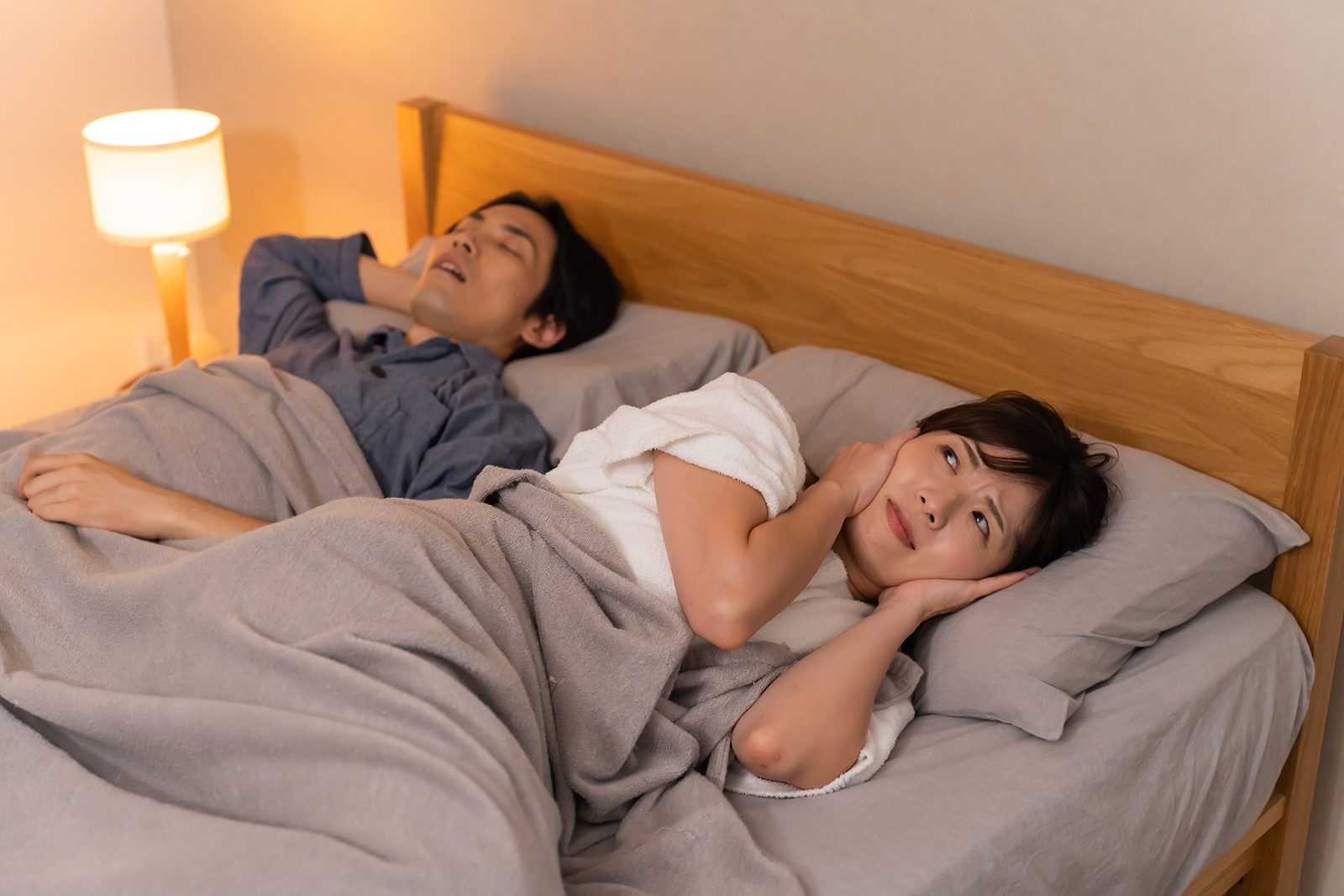
"My family says I snore loudly and stop breathing while I sleep." "I should have slept well, but I feel very sleepy during the day." If you have symptoms like these, you may have sleep apnea syndrome (SAS).
There are several treatments for sleep apnea, and one of them uses a mouthpiece made at a dental clinic. In this article, we explain the symptoms of sleep apnea, how the mouthpiece works, the steps to having one made, and points to note.
What is sleep apnea syndrome?
Sleep apnea syndrome is a condition in which the airway in the throat (upper airway) narrows or becomes blocked during sleep, repeatedly causing breathing to stop or become weak. In most cases, it happens because the base of the tongue and the throat muscles relax during sleep and block the airway (obstructive sleep apnea). Factors said to make it more likely include obesity, a small jaw or a lower jaw set back, large tonsils, a blocked nose, and alcohol or sleeping pills.
Each time breathing stops, the body runs short of oxygen, and you repeatedly half-wake as you struggle to breathe, so you cannot sleep soundly.
Main symptoms
- Loud snoring, or snoring that stops partway
- Stopping breathing or gasping during sleep
- Strong sleepiness during the day and poor concentration
- Headache and dry throat on waking
- Getting up to use the toilet many times during the night
If sleep apnea is left untreated, it is said to raise the risk of high blood pressure, heart disease, stroke and diabetes. Daytime sleepiness can also lead to falling asleep at the wheel or accidents at work, so early diagnosis and treatment are important.
How the mouthpiece made at a dental clinic (oral appliance) works
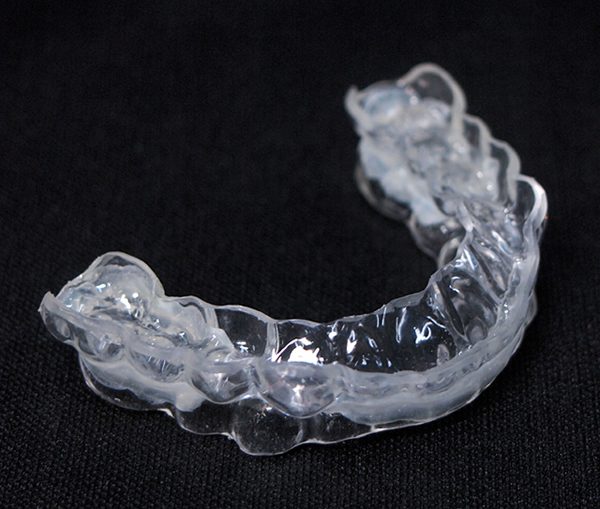
The mouthpiece for sleep apnea made at a dental clinic is also called an oral appliance (OA) or sleep splint. It fits over the upper and lower teeth and holds the lower jaw in a slightly forward position. When the lower jaw moves forward, the base of the tongue moves forward with it, widening the airway in the throat. As a result, breathing during sleep becomes easier, and apnea and snoring can be expected to decrease.
The mouthpiece can be put in and taken out by yourself at bedtime, and it does not place a burden on the body like surgery does. It is also easy to carry, so you can use it while traveling or on business trips.
Differences from other treatments
Besides the mouthpiece, sleep apnea can be treated with CPAP, in which air is sent through a mask over the nose during sleep to keep the airway from closing. A physician decides which treatment suits you based on how severe the apnea is. The mouthpiece is mainly used for people with mild to moderate apnea and for people who cannot tolerate CPAP. For people with severe apnea, CPAP is generally recommended. Reviewing lifestyle habits (losing weight, cutting down on alcohol, sleeping on your side and so on) is also important.
The steps to having a mouthpiece made
To have a sleep apnea mouthpiece made under Japanese public health insurance, you first need to have a sleep breathing test at a medical institution, such as an internal medicine clinic, an ear, nose and throat clinic or a sleep clinic, and be diagnosed with sleep apnea. The medical institution then issues a referral letter (medical information document) addressed to a dental clinic.
At our clinic, if you bring a referral letter, we examine your mouth, take impressions of your teeth and make the mouthpiece. When it is ready, we check how it feels and the position of the lower jaw and adjust it. After you start using it, you may be asked to have a test at the medical institution to check its effect. If you are concerned about snoring but have not yet been tested, please first consult a medical institution.
Who the mouthpiece may not suit, and points to note
Because the mouthpiece fits over the teeth and supports the lower jaw, it may not suit people with few remaining teeth or many loose teeth. People whose nose is blocked and who cannot breathe through the nose may not get enough effect from the mouthpiece alone. People with pain in the jaw joints may find their symptoms get worse, so please let us know in advance.
When you first start using it, you may feel tiredness in the jaw, a feeling that your teeth are slightly raised, or more saliva, but these usually settle as you get used to it. If symptoms of concern continue, we can adjust it, so please consult us. Rinse the mouthpiece with water every morning to keep it clean.
Summary
Sleep apnea is a condition in which breathing stops or weakens during sleep, and it can lead to daytime sleepiness and a higher risk of lifestyle-related diseases. The mouthpiece made at a dental clinic is a treatment that moves the lower jaw forward to widen the airway and can be expected to reduce apnea and snoring. If you have been diagnosed at a medical institution and bring a referral letter, we can make a mouthpiece at our clinic. Please feel free to consult us.
ESCA Dental & Orthodontic Clinic is in the ESCA underground shopping mall, a 1-minute walk from the Shinkansen exit of JR Nagoya Station. Appointments by phone (+81-52-452-1255), online booking (Japanese) or LINE.
Main risks and side effects
- When you first start using it, you may feel tiredness or pain in the jaw, or a feeling that your teeth are slightly raised
- With long-term use, the bite may change slightly
- You may feel increased saliva or a dry mouth
Frequently asked questions
Q. Can I have a mouthpiece made just for snoring?
To have one made under Japanese public health insurance, you need to be diagnosed with sleep apnea at a medical institution and receive a referral letter. We recommend first having a test at a medical institution.
Q. How is it different from mouthpieces sold in stores?
A mouthpiece made at a dental clinic is made from impressions of each person's teeth while checking the forward position of the lower jaw. It can be adjusted with the burden on the teeth and jaw in mind.
Q. How long can a mouthpiece be used?
It depends on how it is used and the condition of the teeth, but it may wear down or stop fitting. We check it regularly along with the condition of your mouth and adjust or remake it as needed.
Related pages
Medical review
This article was reviewed by Katsuaki Takeuchi, DDS (Director; Board-certified oral surgeon, Japanese Society of Oral and Maxillofacial Surgeons), ESCA Dental & Orthodontic Clinic. It provides general information; please consult a dentist about your own condition.
Appointments and questions
Mon–Fri 10:00–13:00 / 14:30–19:30 · Sat & Sun 10:00–13:00 / 14:00–18:00 (open every other Sunday) · Closed on national holidays. Our staff mainly speak Japanese.