
Why Do My Teeth Feel Loose or High? Gum Disease, Clenching, Fatigue
Published: 2025-02-13 · Updated: 2026-11-22 · Medically reviewed by Katsuaki Takeuchi, DDS (Director; Board-certified oral surgeon, Japanese Society of Oral and Maxillofacial Surgeons)
What you will learn
- Why teeth can feel as if they are floating (the periodontal ligament)
- Main causes (gum disease, clenching, fatigue, hormones, after treatment and more)
- What you can do yourself and when to see a dentist

Have you ever felt that your teeth seem to be floating, or that a tooth feels a little high when you bite? This feeling is different from clear pain; often it is just a vague discomfort, and it may go away before you notice.
However, it can sometimes be a sign that a disease such as gum disease is progressing. In this article, we explain why this feeling occurs, its main causes, what you can do yourself, and when to see a dentist.
Why do teeth feel like they are floating? The role of the periodontal ligament
Teeth are set in the jawbone (alveolar bone), and are connected to the bone by a thin tissue called the periodontal ligament. The periodontal ligament works as a cushion that softens the impact of biting, and as a sensor that tells the brain how hard or soft the food is.
The "floating" feeling is thought to occur when this ligament is damaged by inflammation or strong force, so that blood flow worsens or it swells and thickens. When the ligament thickens even slightly, the tooth is pushed up a little, so it feels high or loose when you bite.
Main causes of teeth feeling like they are floating
Gingivitis and gum disease
When gum disease bacteria multiply in the gap between teeth and gums, the gums become inflamed (gingivitis). As it progresses, the bone supporting the teeth breaks down (periodontitis). When the gums swell, pus collects or the supporting bone decreases, teeth may feel as if they are floating. Gum disease symptoms can also flare up when you are tired.
Clenching and grinding
If strong force keeps acting on the teeth and bone from grinding during sleep or unconscious clenching during the day, the periodontal ligament is placed under heavy strain, and teeth may feel as if they are floating. If your jaw feels tired when you wake up or your teeth are worn down, clenching may be involved.
Fatigue, stress and poor health
When fatigue and stress build up, the flow of blood and lymph worsens, and headaches, stiff shoulders and tiredness become more likely. When you catch a cold or your body is weakened and your resistance and immunity drop, bacteria in the mouth that are normally kept in balance become more active, the gums become inflamed, and teeth may feel as if they are floating.
Changes in hormone balance
In women, teeth may feel as if they are floating at times when hormone balance tends to change. Before and after menstruation, before and after pregnancy and childbirth, and during menopause, the gums tend to swell more easily and unusual sensations can appear in various parts of the body.
After root canal treatment, or inflammation at the root tip
When decay reaches the nerve and the nerve is removed, the stimulation can cause blood and lymph to gather in the periodontal ligament, thickening it and making the tooth feel as if it is floating. In this case it is not caused by bacteria and is usually temporary, settling in most cases within 2 to 3 days, or a week at most. On the other hand, if pus has collected at the root tip of a previously treated tooth (apical periodontitis), the tooth may also feel as if it is floating or hurt when you bite, and treatment is needed.
Sinusitis (upper back teeth)
The roots of the upper back teeth are very close to the air space beside the nose (the maxillary sinus). When sinusitis occurs, for example after a cold or hay fever, the upper back teeth may feel as if they are floating or have a dull, heavy pain. If you have a blocked or runny nose, you may need to see an ear, nose and throat doctor.
What you can do yourself
First, review your daily brushing. The basis of preventing and improving gum disease is to thoroughly remove plaque, the sticky mass of bacteria, and keep it from building up. Brush carefully along the border between teeth and gums, and also use floss or interdental brushes.
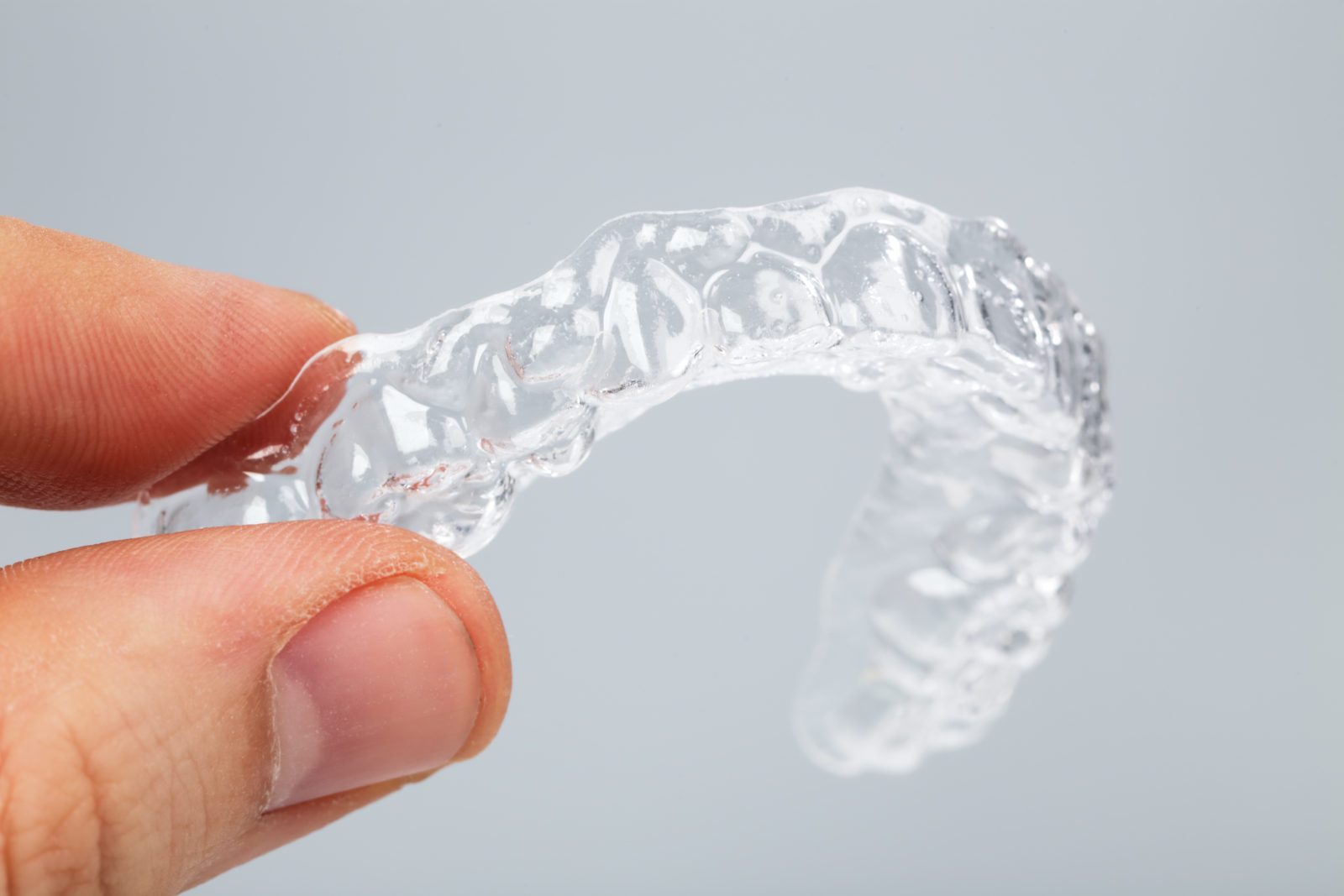
Fatigue and stress can be hard to notice yourself. If you feel a change in your health, try to rest your body by sleeping well, taking breaks and doing light exercise. Checking from time to time whether your upper and lower teeth are touching during the day also helps with clenching. If you grind or clench strongly, a night guard made at a dental clinic can help relieve the force on your teeth.
When to see a dentist
See a dentist soon if the floating feeling does not settle within a few days, gets gradually stronger, hurts when you bite, your gums are swollen or there is pus, or a tooth feels wobbly. It is especially important to check whether gum disease or root-tip disease is progressing in teeth that have had nerve treatment before, or if you have not had a dental cleaning for a while. At a dental clinic, the cause is examined with a periodontal pocket check and X-rays, and we suggest care suited to the cause.
Summary
The feeling that teeth are floating is thought to occur when the periodontal ligament that supports them is damaged by gum inflammation, clenching force, fatigue, hormonal changes or the stimulation of treatment. It may be temporary, but it can also be a sign of disease. If it does not settle after reviewing your brushing and resting, please feel free to consult us.
ESCA Dental & Orthodontic Clinic is in the ESCA underground shopping mall, a 1-minute walk from the Shinkansen exit of JR Nagoya Station. Appointments by phone (+81-52-452-1255), online booking (Japanese) or LINE.
Main risks and side effects
- After nerve removal or root canal treatment, the tooth may feel as if it is floating or hurt when you bite for a few days
- When you start using a mouthguard (night guard), you may feel discomfort or that saliva increases
Frequently asked questions
Q. Will the floating feeling go away if I leave it?
If it is caused by fatigue or temporary inflammation, it may settle within a few days. If it does not settle after several days, or there is pain or swelling, it may be gum disease or a root problem, so please see a dentist.
Q. My tooth feels like it is floating after the nerve was removed. Is that all right?
It often happens temporarily because of the stimulation of treatment, and in most cases settles within 2 to 3 days, or a week at most. If it hurts badly or starts to swell, please contact us soon.
Q. My upper back tooth feels like it is floating and my nose is blocked.
Sinusitis may be involved. We check for cavities or root problems, and may recommend seeing an ear, nose and throat doctor if needed.
Related pages
Medical review
This article was reviewed by Katsuaki Takeuchi, DDS (Director; Board-certified oral surgeon, Japanese Society of Oral and Maxillofacial Surgeons), ESCA Dental & Orthodontic Clinic. It provides general information; please consult a dentist about your own condition.
Appointments and questions
Mon–Fri 10:00–13:00 / 14:30–19:30 · Sat & Sun 10:00–13:00 / 14:00–18:00 (open every other Sunday) · Closed on national holidays. Our staff mainly speak Japanese.