
Types and Causes of Teeth Grinding and Clenching, and What to Do
Published: 2026-02-18 · Updated: 2026-11-22 · Medically reviewed by Katsuaki Takeuchi, DDS (Director; Board-certified oral surgeon, Japanese Society of Oral and Maxillofacial Surgeons)
What you will learn
- The three types of grinding and clenching
- Effects on the teeth, jaw and gums
- Main causes, self-care, and treatment at the dental clinic
Has a family member told you that you grind your teeth? Does your jaw feel tired when you wake up? Have you found a chipped tooth without knowing how it happened?
Grinding and clenching are called bruxism. They mostly happen unconsciously, so they are hard to notice yourself. In this article, we explain the types and causes of grinding and clenching, their effects on the teeth and jaw, and what you can do.
Normally, the upper and lower teeth do not touch
When the jaw is relaxed, there is normally a gap of about 2–3 mm between the upper and lower teeth (freeway space). The upper and lower teeth are said to touch for only about 20 minutes a day in total, such as when eating or talking.
However, in people who grind or clench, the muscles around the mouth are always tense, this gap disappears, and strong force is constantly applied to the teeth.
Three types of grinding and clenching
Grinding
This type rubs the upper and lower teeth from side to side while biting hard. It is what is usually called teeth grinding, and because it makes a noise, people often notice it when a family member points it out. It can wear down teeth, make fillings come out, or crack teeth. Because the teeth are rocked sideways, it also strains the bone that supports them.
Clenching
This type bites the upper and lower teeth together tightly. It occurs not only during sleep but also during the day when concentrating or exerting force. Because it makes no noise, it is hard to notice. It can cause pain in the chewing muscles (masseter and temporalis) and bony bumps on the jaw (torus).
Tapping
This type clicks the upper and lower teeth together in small, quick movements. It is said to put relatively less strain on the teeth and jaw than the other two, but if it continues, it can affect the bite.
Effects on the teeth, jaw and gums
- Teeth chip, crack or wear down (causing sensitivity or changes in appearance)
- Tooth roots crack (teeth with the nerve removed crack especially easily and may need extraction)
- Gum disease gets worse more easily
- Fillings and crowns come off more easily
- Pain in the jaw joints or muscles, or difficulty opening the mouth (temporomandibular disorder)
- It can lead to stiff shoulders and headaches
Main causes of grinding and clenching
- Stress: grinding during sleep is thought to be related to stress
- Sleep: grinding is said to occur more easily when sleep is light
- Bite and teeth alignment: it may occur more easily when only some teeth hit hard
- Posture: looking down, or a pillow that is too high, makes it easier to clench the back teeth
- Concentration: you may clench unconsciously when concentrating on work, study or sports
- Too much alcohol, smoking or caffeine
Self-care you can do
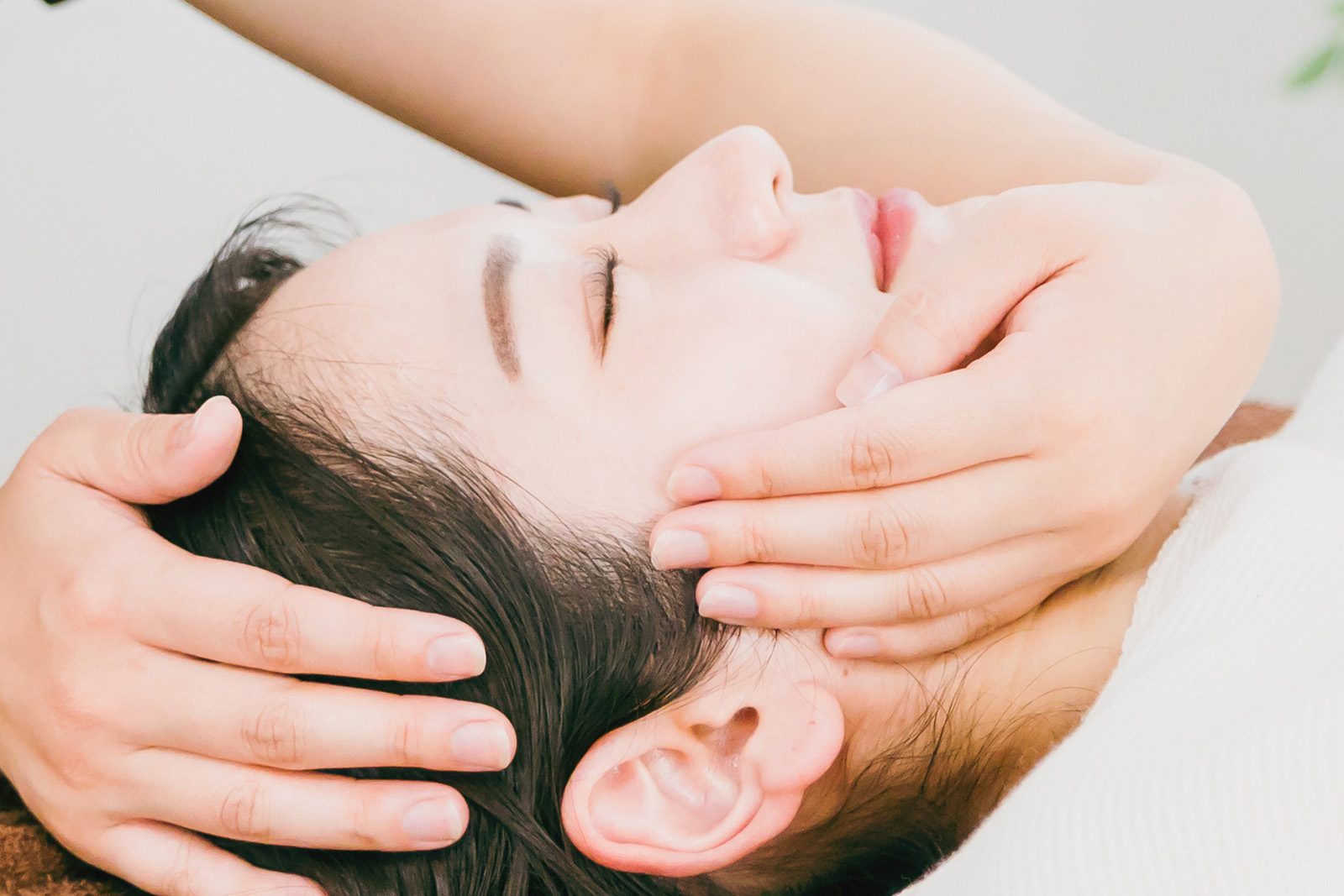
For daytime clenching, noticing it is the first step. Put a note saying "teeth apart" around your computer or smartphone, and when you notice, separate your upper and lower teeth and relax your shoulders. There are also things you can do in daily life, such as taking breaks to stretch when concentrating on work, and avoiding your smartphone before bed so you can relax. Gently massaging the muscles around the jaw is also good.
Treatment at the dental clinic
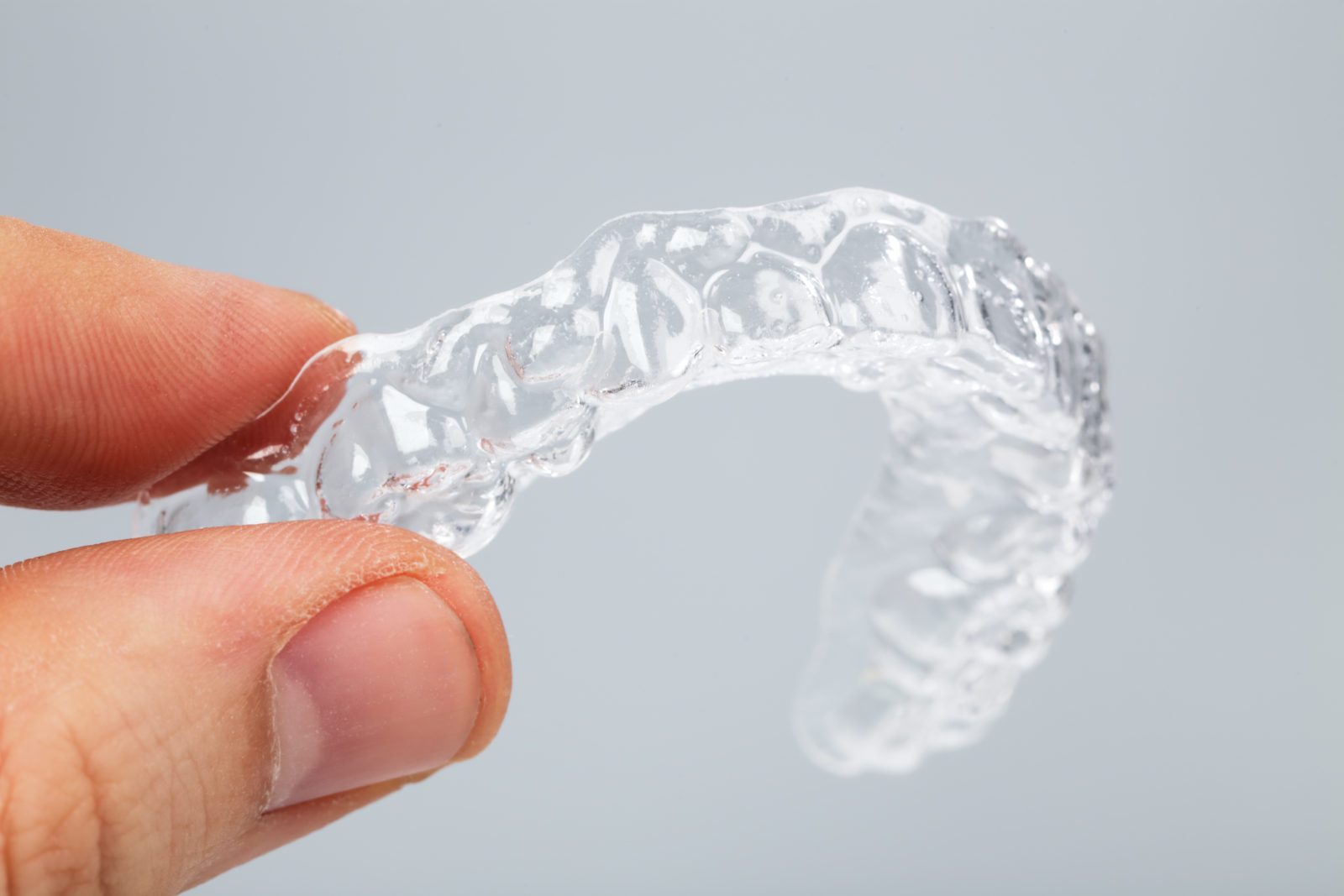
- Mouthpiece (night guard): worn while sleeping to soften the force on the teeth and jaw (can be made under Japanese public health insurance)
- Bite adjustment: adjusts the bite when some teeth hit too hard
- Orthodontic treatment: if teeth alignment is the cause, we consider correcting the bite with orthodontics
- Treatment for temporomandibular disorder: when there is jaw pain or difficulty opening the mouth
A night guard does not stop grinding itself; it is a device to protect the teeth and jaw. It may feel strange at first, but most people gradually get used to it.
Summary
Grinding and clenching are not just habits; they can put a heavy strain on the teeth, jaw and gums. If you have found chipped teeth or lost fillings without knowing why, please consult us. We will check your mouth and suggest measures suited to the cause.
ESCA Dental & Orthodontic Clinic is in the ESCA underground shopping mall, a 1-minute walk from the Shinkansen exit of JR Nagoya Station. Appointments by phone (+81-52-452-1255), online booking (Japanese) or LINE.
Main risks and side effects
- When you first start wearing a night guard, it may feel strange, or your jaw may feel tired in the morning
- Bite adjustment may involve shaving a little off the teeth, and the shaved part does not grow back
- Orthodontic treatment carries risks such as pain as the teeth move, root resorption and relapse, and is self-paid (not covered by insurance)
Frequently asked questions
Q. Can teeth grinding be cured?
Several causes such as stress and sleep are involved, so it can be hard to stop it completely. We protect the teeth with a night guard while taking measures suited to the cause.
Q. Can a night guard be made under insurance?
A night guard made as treatment for grinding and clenching can be made under Japanese public health insurance.
Q. Is teeth grinding in children a problem?
Grinding in children is often seen during jaw growth and while baby teeth are being replaced, and in most cases it stops naturally. If you are concerned, for example about heavy tooth wear, please consult us.
Related pages
Medical review
This article was reviewed by Katsuaki Takeuchi, DDS (Director; Board-certified oral surgeon, Japanese Society of Oral and Maxillofacial Surgeons), ESCA Dental & Orthodontic Clinic. It provides general information; please consult a dentist about your own condition.
Appointments and questions
Mon–Fri 10:00–13:00 / 14:30–19:30 · Sat & Sun 10:00–13:00 / 14:00–18:00 (open every other Sunday) · Closed on national holidays. Our staff mainly speak Japanese.