
5 Hard-to-Brush Spots and How to Clean Them: Back Teeth and Gaps
Published: 2025-03-12 · Updated: 2026-11-22 · Medically reviewed by Katsuaki Takeuchi, DDS (Director; Board-certified oral surgeon, Japanese Society of Oral and Maxillofacial Surgeons)
What you will learn
- Five places that are often missed when brushing
- How to angle and move your toothbrush for each place
- How to use extra tools (floss, interdental brushes, single-tuft brushes)
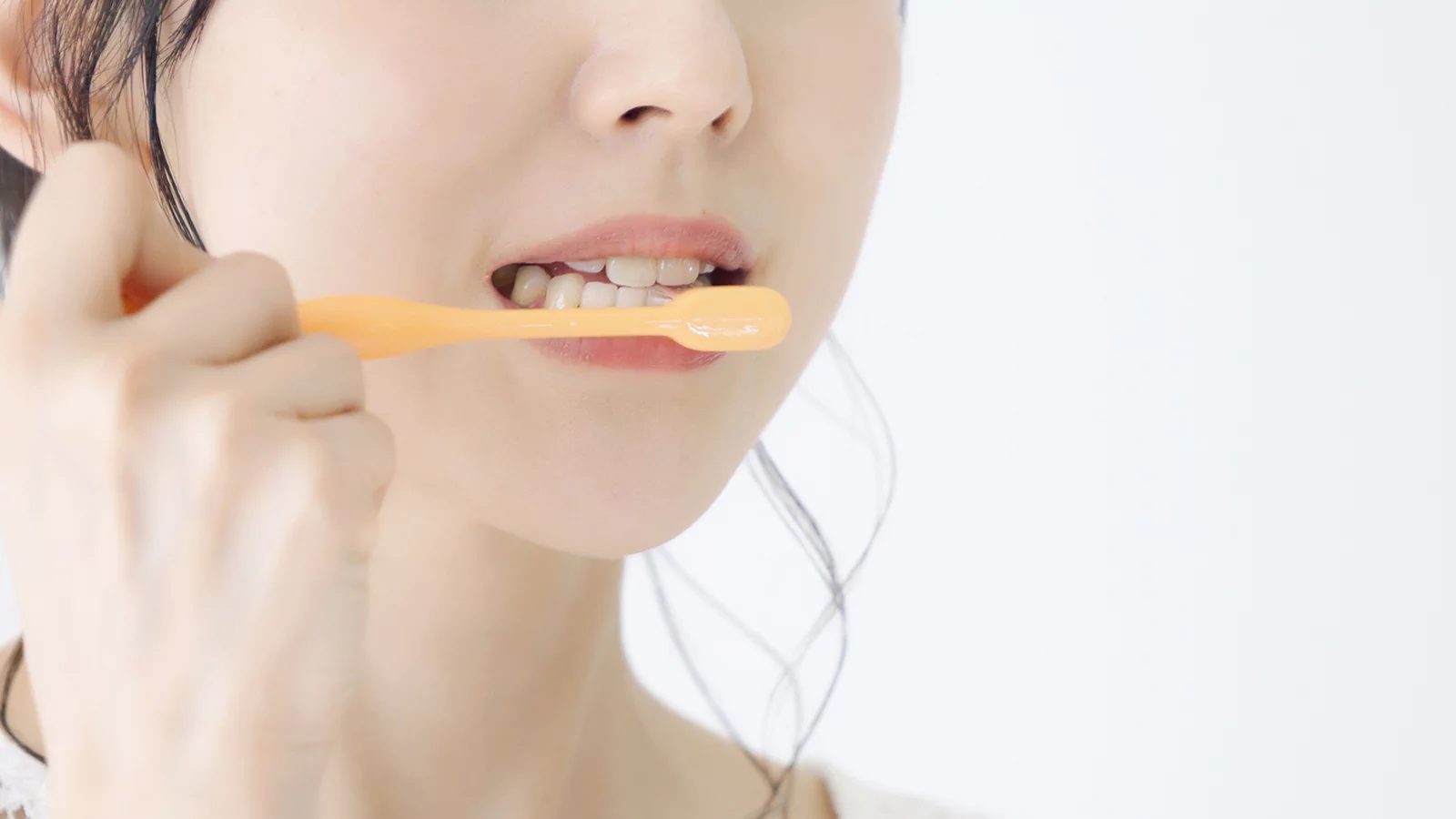
Brushing is an essential habit for keeping your mouth healthy. However, not every tooth is equally easy to brush. Depending on how your teeth are lined up, their shape and the size of your mouth, there are places the toothbrush has trouble reaching, where plaque is often left behind.
If you brush every day but keep getting cavities or swollen gums, plaque may be remaining in these hard-to-brush places. In this article, we introduce these places and tips for caring for each one.
Five places that are hard to brush
- The inner (tongue) side of the back teeth, and behind the very last tooth
- Places where teeth overlap or are uneven
- The backs of the front teeth
- The border between teeth and gums
- Between the teeth
In these places, the bristles have trouble reaching and plaque tends to remain, so they are also where cavities and gum disease tend to start. Let's look at how to brush each one.
How to brush each place
1. The inner side of the back teeth and the very last tooth
On the inner side of the back teeth, the tongue gets in the way and the toothbrush has trouble reaching. Insert the brush at an angle, place the bristles at about 45 degrees to the border between teeth and gums, and move it in small strokes. Opening your mouth too wide stretches the cheeks and makes it harder to reach the back, so closing it slightly makes brushing easier. For the back of the very last tooth, the tip of the toothbrush or a single-tuft brush reaches more easily.
2. Places where teeth overlap
Where teeth overlap or are uneven, the bristles of an ordinary toothbrush have trouble getting in. Holding the brush vertically and brushing one tooth at a time helps it reach. Using a single-tuft brush, which has a small bundle of bristles, together with floss or interdental brushes makes it easier to remove plaque from the gaps between teeth.
3. The backs of the front teeth
The backs of the front teeth form a gentle hollow, and the bristles do not touch it if you hold the brush horizontally. Hold the brush vertically and use the heel (the bristles nearest the handle) to brush each tooth up and down. Brushing while looking in a mirror makes it easier to see where the brush is touching. Tartar builds up easily on the backs of the lower front teeth, so brush there especially carefully.
4. The border between teeth and gums
Plaque at the border between teeth and gums causes gum disease. Place the bristles gently at the border and move them in small strokes with light pressure to remove the plaque along the gumline. Scrubbing hard can damage the gums or make them recede, so it is important not to press too hard. Brushing gently also massages the gums.
5. Between the teeth
A toothbrush alone cannot fully remove plaque between the teeth. Use dental floss where the gaps are narrow, and interdental brushes where the gaps are wider or the gums have receded. If you find spool-type floss difficult, floss with a handle (a floss pick) makes care easy.
How to find missed spots
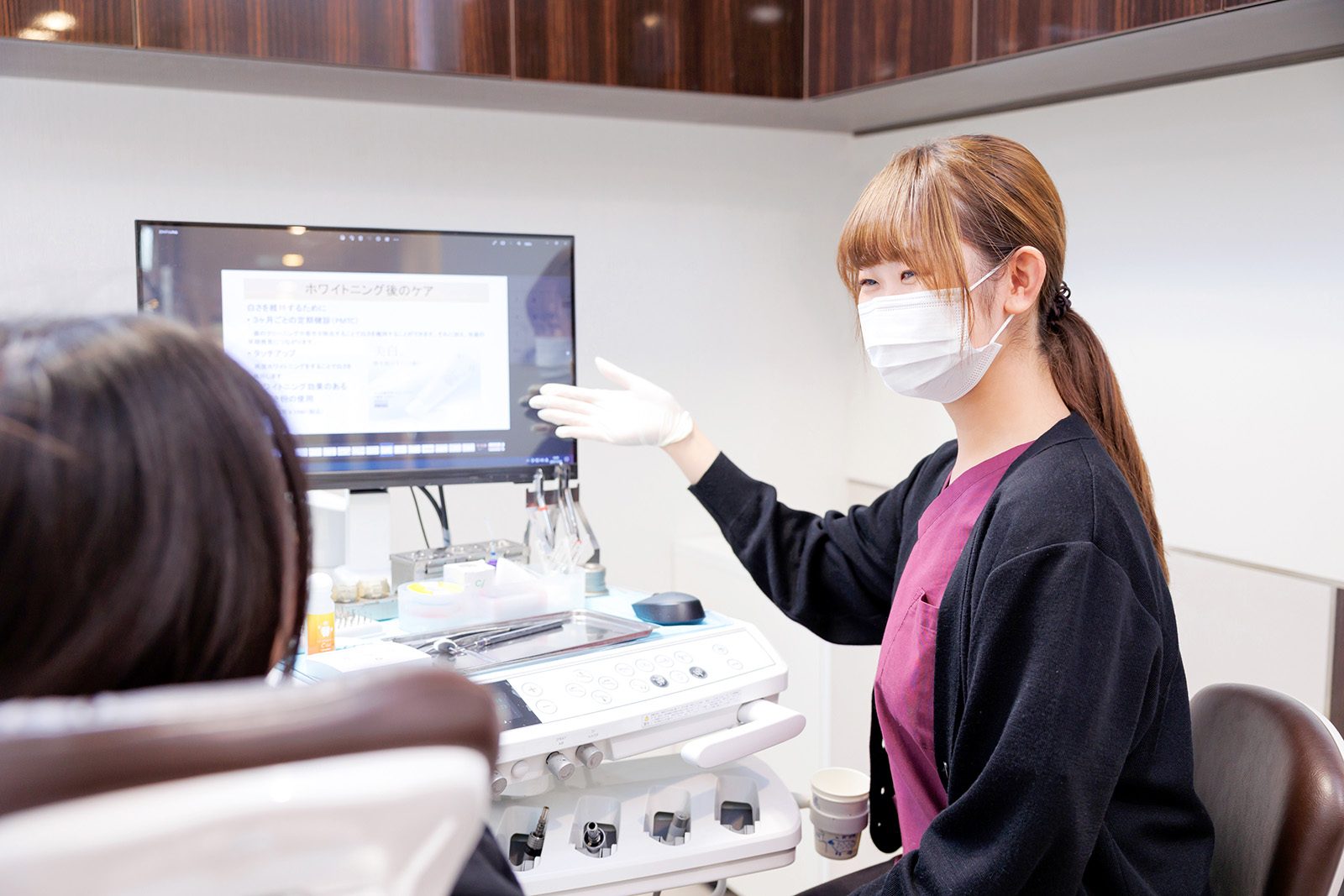
It is hard to know where you are missing plaque. After brushing, feel the tooth surfaces with your tongue; any rough or slimy area is a sign of a missed spot. Plaque-disclosing liquid, available in stores, shows plaque in color and helps you learn your brushing habits. Deciding on a brushing order also reduces the chance of brushing the same places over and over and forgetting others.
If you have orthodontic appliances or treated teeth
Around appliances that straighten teeth, and at the edges of fillings and crowns from cavity treatment, plaque also tends to remain. Around appliances, a single-tuft brush or a brush designed for appliances makes brushing easier. Take careful care together with professional cleanings at the dental clinic.
Summary
The inner side of the back teeth, overlapping teeth, the backs of the front teeth, the border between teeth and gums, and between the teeth are places that are often missed. It is important to adjust how you angle your toothbrush and to combine it with extra tools such as floss and interdental brushes. At our clinic, we suggest tools and techniques suited to each patient, so please feel free to ask.
ESCA Dental & Orthodontic Clinic is in the ESCA underground shopping mall, a 1-minute walk from the Shinkansen exit of JR Nagoya Station. Appointments by phone (+81-52-452-1255), online booking (Japanese) or LINE.
Frequently asked questions
Q. Should I use floss or interdental brushes?
Floss suits narrow gaps, and interdental brushes suit wider gaps or areas where the gums have receded. We recommend having a dental clinic check which size suits you.
Q. When do I use a single-tuft brush?
Use it in places an ordinary toothbrush has trouble reaching, such as behind the very last tooth, where teeth overlap, and around orthodontic appliances.
Q. Is there a way to check missed spots myself?
You can feel for rough areas with your tongue or use plaque-disclosing liquid. Having a dental hygienist check at regular check-ups is also effective.
Related pages
Medical review
This article was reviewed by Katsuaki Takeuchi, DDS (Director; Board-certified oral surgeon, Japanese Society of Oral and Maxillofacial Surgeons), ESCA Dental & Orthodontic Clinic. It provides general information; please consult a dentist about your own condition.
Appointments and questions
Mon–Fri 10:00–13:00 / 14:30–19:30 · Sat & Sun 10:00–13:00 / 14:00–18:00 (open every other Sunday) · Closed on national holidays. Our staff mainly speak Japanese.