
What Is a Single-Tuft Brush? Cleaning Hard-to-Reach Spots
Published: 2026-05-01 · Updated: 2026-11-22 · Medically reviewed by Katsuaki Takeuchi, DDS (Director; Board-certified oral surgeon, Japanese Society of Oral and Maxillofacial Surgeons)
What you will learn
- What a single-tuft brush is
- Where a single-tuft brush helps
- Tips for using one, and how to choose
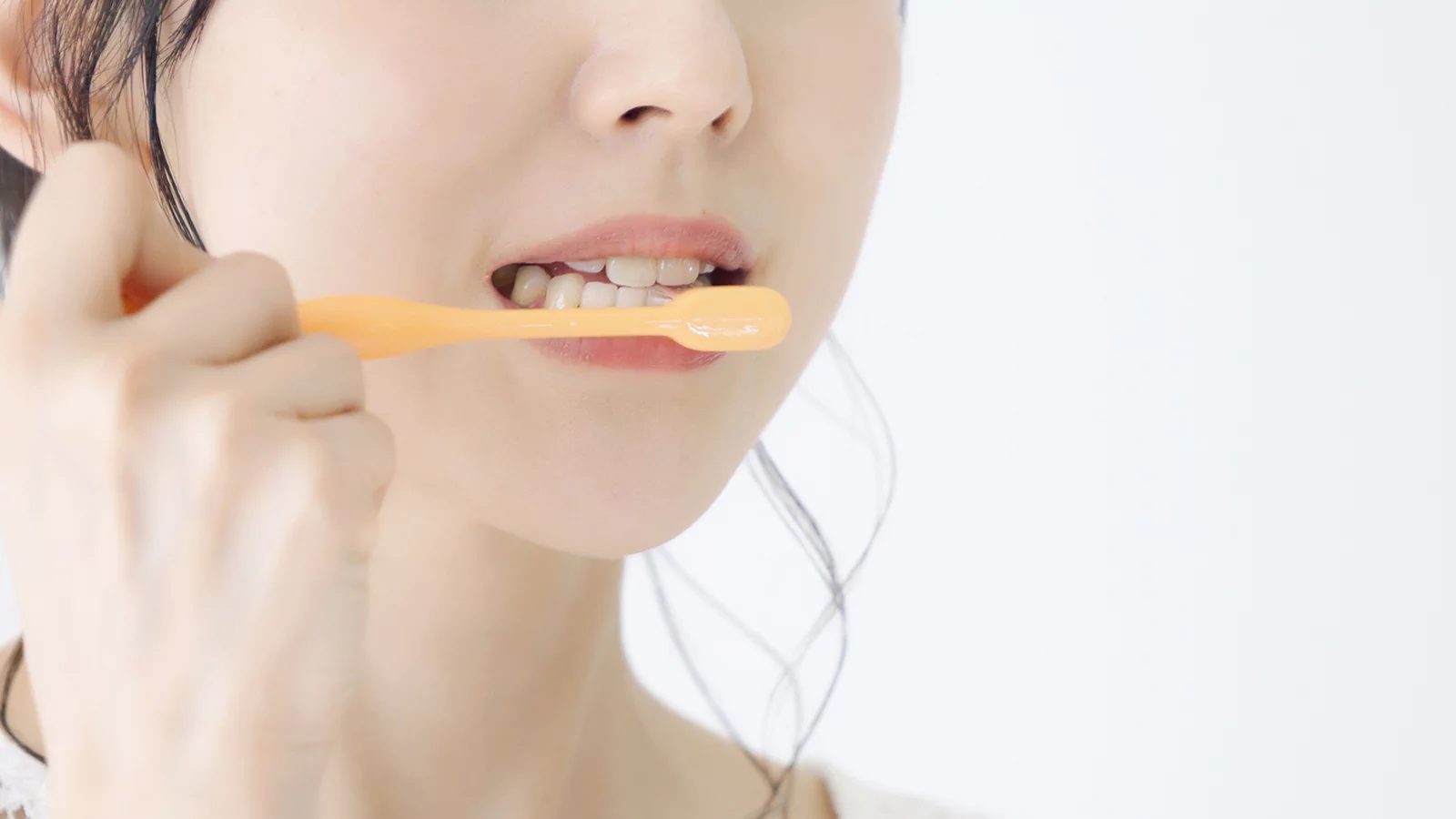
Even if you brush carefully every day, there are places an ordinary toothbrush has trouble reaching. A single-tuft brush (tuft brush) helps clean those places.
In this article, we introduce the features of single-tuft brushes and tips for using them.
What is a single-tuft brush?
A single-tuft brush is a toothbrush with a small head that has only one bundle of bristles (tuft). Because the bristles are gathered into a narrow point, it is easy to aim precisely at a target spot and clean small areas carefully. It is not a replacement for an ordinary toothbrush, but a supplementary tool for finishing after brushing.
Where a single-tuft brush helps
- Places where teeth overlap or are uneven
- The very back of the back teeth (behind the last tooth)
- Where the teeth meet the gums
- Teeth that are still coming in (back teeth around age 6, wisdom teeth and so on)
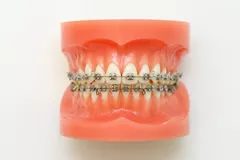
- Around brackets attached to the teeth, and under wires
- The edges of bridges and crowns
- Places where the gums have receded and the base of the tooth is exposed
These places are where plaque is easily left behind, and tooth decay and gum inflammation occur easily. In particular, back teeth that are still coming in are lower than the others and hard to reach with an ordinary toothbrush, so they are prone to decay.
Tips for using it
- Hold it lightly like a pen
- While looking in the mirror, place the bristle tips firmly on the spot you want to clean
- Do not move it in large strokes; move the tips in small circles on the spot
- Where the teeth meet the gums, run the tips along the border as if tracing it
- Do not press too hard (squashed bristles remove debris less well)
We recommend using it after brushing with an ordinary toothbrush. Try adding it especially to your evening brushing.
How to choose a single-tuft brush
Bristle tips come pointed or flat, and firmness comes in soft, medium and so on. If your gums swell easily, a soft one is easier to use; if you know exactly where you want to remove debris, a pointed one is easier. Handle angles also vary, so the key is to choose one that is easy to place on the back teeth.
Combining it with other tools
A single-tuft brush alone cannot fully remove debris between the teeth. Use dental floss for narrow gaps and interdental brushes for wide gaps. Combining a toothbrush, single-tuft brush and floss (or interdental brushes) greatly reduces missed spots.
For finishing brushing for children, too
The permanent back teeth that come in around age 6 (six-year molars) take a long time to come in fully and are lower than the others, so they are prone to decay. When parents do finishing brushing, cleaning the grooves and surroundings of the back teeth with a single-tuft brush can reduce missed spots.
Especially recommended for
- People with overlapping teeth and spots that are hard to brush
- People whose wisdom teeth are coming in
- People with appliances attached to their teeth
- People with crowns or bridges
- People whose gums have started to recede
- Parents who do finishing brushing for their children
A single-tuft brush may take a little time to get used to, but with daily use you will be able to use it quickly. If you know where you tend to miss spots, we also recommend starting with just that one area.
Summary: finish hard-to-reach spots with a single-tuft brush
A single-tuft brush is a handy tool for cleaning places an ordinary toothbrush has trouble reaching. To raise the quality of your self-care, we suggest ways to use it that suit your mouth. If you would like to try one or are not sure how to use it, please feel free to ask our staff.
ESCA Dental & Orthodontic Clinic is in the ESCA underground shopping mall, a 1-minute walk from the Shinkansen exit of JR Nagoya Station. Appointments by phone (+81-52-452-1255), online booking (Japanese) or LINE.
Frequently asked questions
Q. Can I brush with only a single-tuft brush?
A single-tuft brush is a tool for small areas, so brushing your whole mouth with it would take too long. Use it to finish after brushing with an ordinary toothbrush.
Q. When should I replace it?
Replace it when the bristles start to splay. As with an ordinary toothbrush, about a month is a guide.
Q. Where can I buy one?
They are available at drugstores and the like, but if you are not sure which firmness or shape to choose, please consult a dental clinic.
Related pages
Medical review
This article was reviewed by Katsuaki Takeuchi, DDS (Director; Board-certified oral surgeon, Japanese Society of Oral and Maxillofacial Surgeons), ESCA Dental & Orthodontic Clinic. It provides general information; please consult a dentist about your own condition.
Appointments and questions
Mon–Fri 10:00–13:00 / 14:30–19:30 · Sat & Sun 10:00–13:00 / 14:00–18:00 (open every other Sunday) · Closed on national holidays. Our staff mainly speak Japanese.