
Caring for Your Teeth with Braces: Brushing Tips and Tools
Published: 2026-06-03 · Updated: 2026-11-22 · Medically reviewed by Katsuaki Takeuchi, DDS (Director; Board-certified oral surgeon, Japanese Society of Oral and Maxillofacial Surgeons)
What you will learn
- Where plaque tends to build up during treatment with braces
- Tips for brushing above and below the brackets separately
- How to use single-tuft brushes, interdental brushes and orthodontic floss
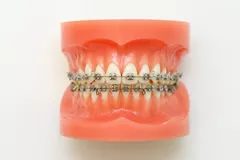
During orthodontic treatment with brackets (small attachments bonded to the surface of the teeth) and wires, food and plaque easily build up around the appliances, raising the risk of cavities and gingivitis.
Orthodontic treatment is a chance to improve your alignment and bite, so let us protect the health of your mouth at the same time. In this article, we explain how to care for your teeth during treatment with braces.
Why does plaque build up so easily?
Brackets and wires create many bumps and corners that toothbrush bristles have trouble reaching, so plaque is easily left behind. Pay particular attention to the following areas.
- Around the brackets (above and below)
- Under the wire
- Where the teeth meet the gums
- The chewing surfaces of back teeth and behind the very last tooth
If plaque is left in place, the tooth surface around the brackets can turn cloudy white (an early cavity), which may stand out after the braces are removed.
Brushing tips
1. Brush while looking in a mirror
With braces on, it is easy to miss spots. Brush while checking in a mirror.
2. Brush above and below the brackets separately
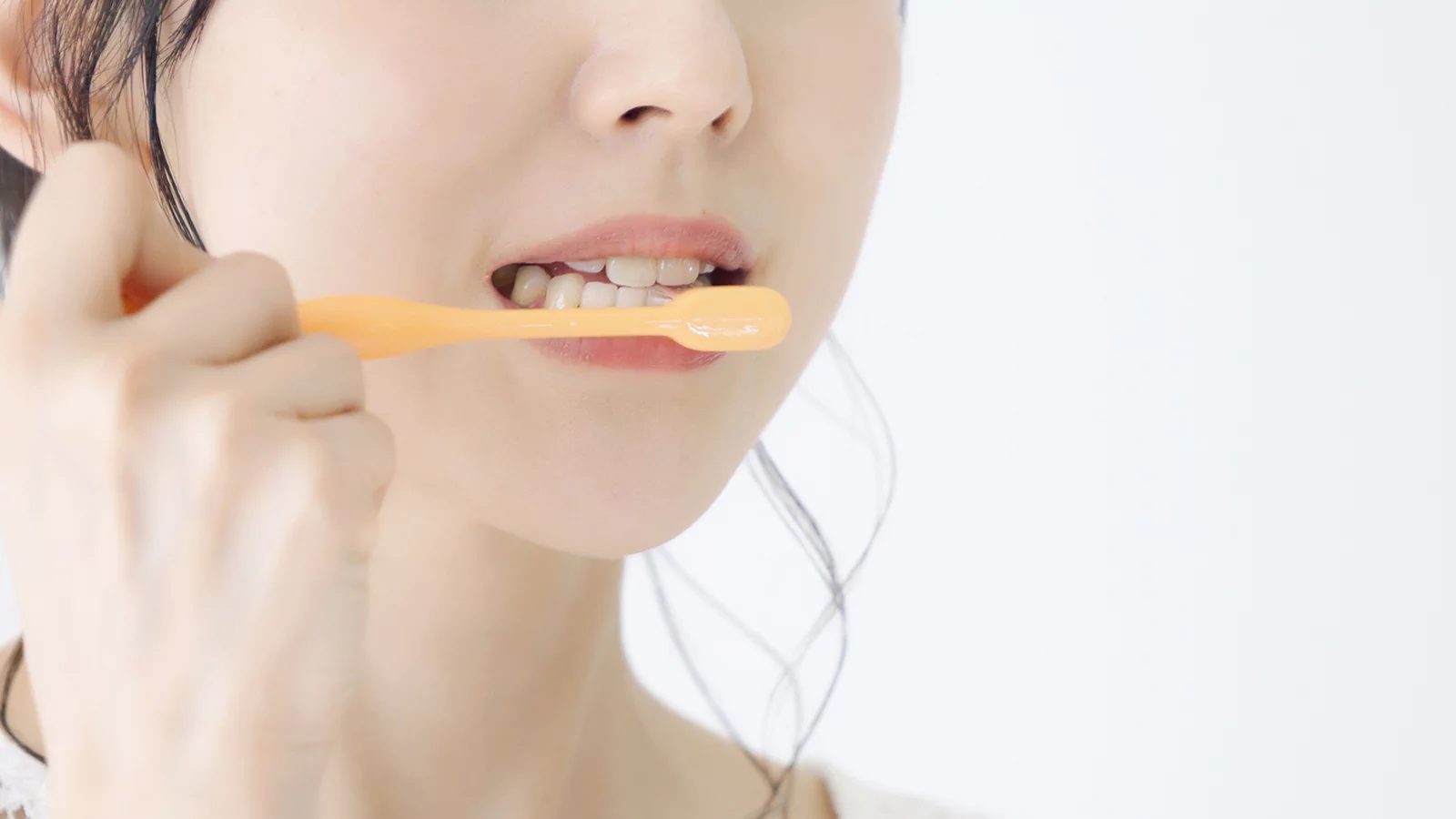
Tilt the toothbrush at about 45 degrees, place the bristle tips on the area above the bracket and then below it, and brush with small movements. Do not forget the line where the teeth meet the gums. Just running the brush over the wire is not enough to remove the plaque around the appliances.
3. Carefully, one tooth at a time
Rather than brushing everything at once, focusing on one tooth at a time makes it easier to remove plaque. As a guide, take longer than usual, about 5 minutes. If you use an electric toothbrush, also make sure to place the bristles above and below the brackets.
Tools to use alongside your toothbrush
Single-tuft brush
A small brush with a single tuft of bristles. It is suited to cleaning around brackets, under the wire and hard-to-reach areas of the back teeth. Hold it lightly like a pen, place the tip at the edge of the appliance, and move it in small circles.
Interdental brush
Useful for cleaning under the wire and in gaps between teeth. Forcing it in can injure the gums, so ask us at the clinic to help you choose the right size.
Orthodontic floss
Floss with a stiff end that is easy to thread under the wire. Use it to remove plaque between teeth.
Use a fluoride toothpaste, and after brushing, rinse just once with a small amount of water to get more of its cavity-preventing effect.
Things to be careful about when eating
- Avoid sticky foods such as caramels, chewing gum and rice cakes (mochi)
- Do not bite hard foods (such as rice crackers or ice) firmly with your front teeth (the appliance may come off)
- Avoid snacking on sweets or sipping sweet drinks throughout the day
- Brush as soon as possible after eating (if you cannot, rinse well with water)
How to check for missed spots
A disclosing solution that stains plaque red shows missed spots at a glance. It is available at drugstores, and our dental hygienists can also check with you at your adjustment visits. Knowing where you tend to miss helps you brush those areas with more care.
During orthodontic treatment, having a professional cleaning at the clinic about once every 3 months also removes stubborn plaque around the appliances.
Summary: careful daily care helps your orthodontic treatment go smoothly
During treatment with braces, more careful self-care than usual is important. Brushing thoroughly every day helps prevent cavities and gingivitis and keeps your orthodontic treatment on track. If you have any trouble with brushing, feel free to ask at your adjustment visit. We also cover how to care for your teeth when you are out in another article.
ESCA Dental & Orthodontic Clinic is in the ESCA underground shopping mall, a 1-minute walk from the Shinkansen exit of JR Nagoya Station. Appointments by phone (+81-52-452-1255), online booking (Japanese) or LINE.
Main risks and side effects
- During orthodontic treatment, you may feel pain or discomfort as the teeth move
- Insufficient brushing increases the risk of cavities and gum disease
- The roots of the teeth may shorten (root resorption) or the gums may recede. After treatment, the teeth may shift back if you do not use a retainer
Orthodontic treatment is self-paid (not covered by insurance). Fees vary depending on the appliance and treatment period, so we explain them after a detailed examination (please see our fee table for standard fees).
Frequently asked questions
Q. My gums are swollen and bleeding during orthodontic treatment.
This is often gingivitis caused by plaque around the appliances. Gently and carefully brush where the teeth meet the gums with a soft toothbrush. If it continues, ask us at your adjustment visit.
Q. What if an appliance comes off or a wire pokes me?
Do not try to fix it yourself; please contact the clinic. If a wire is poking your cheek and hurts, covering it with orthodontic wax may help.
Q. Can I use an electric toothbrush?
Yes. Avoid pressing it too hard against the appliances, and move it so the bristles touch one tooth at a time. For areas such as under the wire, combine it with a single-tuft brush or interdental brush.
Related pages
Medical review
This article was reviewed by Katsuaki Takeuchi, DDS (Director; Board-certified oral surgeon, Japanese Society of Oral and Maxillofacial Surgeons), ESCA Dental & Orthodontic Clinic. It provides general information; please consult a dentist about your own condition.
Appointments and questions
Mon–Fri 10:00–13:00 / 14:30–19:30 · Sat & Sun 10:00–13:00 / 14:00–18:00 (open every other Sunday) · Closed on national holidays. Our staff mainly speak Japanese.