
Wire Braces: Pros, Cons and Types of Brackets Explained
Published: 2024-10-22 · Updated: 2026-11-22 · Medically reviewed by Katsuaki Takeuchi, DDS (Director; Board-certified oral surgeon, Japanese Society of Oral and Maxillofacial Surgeons)
What you will learn
- How wire braces work, and their advantages and drawbacks
- Types of brackets such as metal and ceramic, and how they differ in appearance
- How they compare with clear aligners, and who they suit
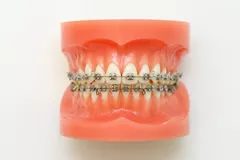
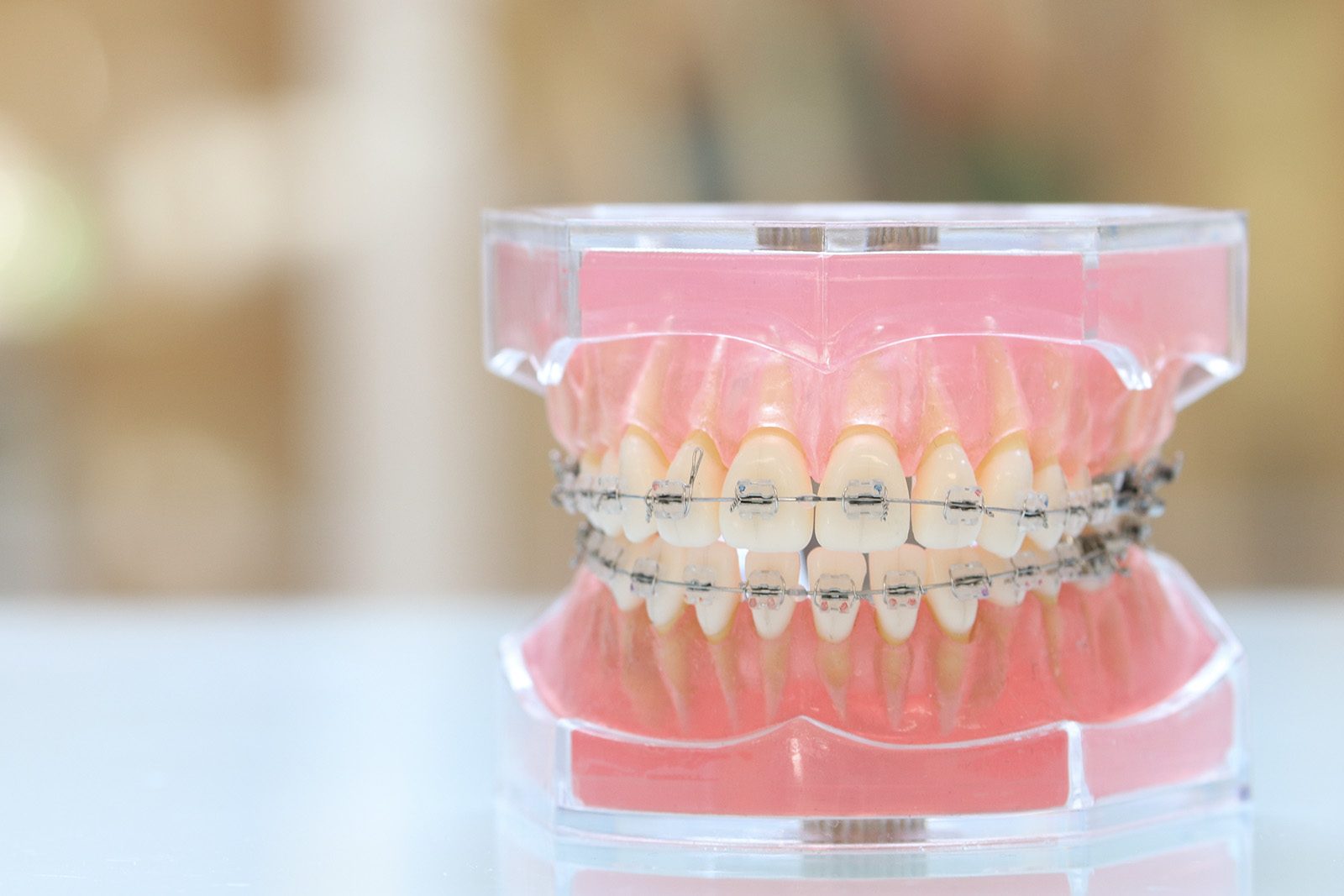
There are many types of orthodontic appliances, but the one used for the longest time is wire braces (bracket braces), in which brackets are bonded to the front of the teeth and a wire is passed through them to move the teeth. Clear aligners have become more common recently, but wire braces have many advantages of their own.
In this article, we explain the advantages and drawbacks of front-side wire braces, the types of brackets, and how they compare with clear aligners.
How wire braces work
A small part called a bracket is bonded to each tooth, and a shape-memory wire is passed through the brackets. The force of the wire trying to return to its original shape moves the teeth little by little. You visit about once a month, and the wire is adjusted by changing it from thinner to thicker wires or bending it. Elastics may also be used to align the upper and lower bite.
Advantages of wire braces
Suitable for a wide range of tooth alignments
Wire braces make it easy to apply many kinds of movement: moving teeth forward and back, side to side and up and down, correcting rotation and changing the direction of the roots. A feature is that they can handle cases that are difficult with clear aligners, such as severe crowding, orthodontics with extraction, and alignments that need major changes to the bite.
Easy to fine-tune the finish
Because the dentist can adjust the wire to fine-tune the position and angle of each tooth, it is easy to finish the treatment carefully, down to the bite. Another good point is that if tooth movement drifts from the plan during treatment, it is easy to adjust on the spot.
No need to manage wearing time yourself
Because the appliance is fixed to the teeth, you do not have to manage how many hours a day you wear it, as you do with clear aligners. There is no worry about forgetting to wear it, so it suits people who find self-management difficult, and children.
Drawbacks of wire braces
Because the appliance is on the front of the teeth, the main concern is that it is more noticeable than other appliances. Other points to know are that the appliance can rub the cheeks and lips and cause mouth sores, and that the teeth tend to feel a pressing pain for a few days after each adjustment.
Also, food easily gets caught around the appliance, and because it cannot be removed, brushing takes extra effort. Missed plaque raises the risk of cavities and gum disease, so care using single-tuft brushes, interdental brushes and orthodontic floss is important. Hard or sticky foods can also make brackets come off.
Types of brackets
- Metal brackets: strong and transmit force well. Silver-colored and more noticeable
- Ceramic or plastic brackets: blend in with the tooth color and are less noticeable. Even less noticeable when combined with a white wire
- Clip-type brackets that hold the wire with a clip: said to collect less plaque than types that hold it with elastic ties
If you want the appliance to be completely invisible from the front, you can choose wire braces fitted on the back of the teeth, but they cost more than front-side braces and are more likely to affect speech. Clear aligners are less noticeable and removable, but you need to manage wearing time, and there are some tooth movements they handle less well. It is important to choose according to your teeth and lifestyle.
Summary
Wire braces suit a wide range of tooth alignments and make it easy to finish carefully, down to the bite. Drawbacks such as visibility and the effort of brushing can be reduced with white brackets and careful self-care. At the consultation, let's look at your teeth and think together about which appliance suits you.
ESCA Dental & Orthodontic Clinic is in the ESCA underground shopping mall, a 1-minute walk from the Shinkansen exit of JR Nagoya Station. Appointments by phone (+81-52-452-1255), online booking (Japanese) or LINE.
Main risks and side effects
- During orthodontic treatment, you may feel pain or discomfort as teeth move
- If brushing is insufficient, the risk of cavities and gum disease increases
- Tooth roots may shorten (root resorption) or gums may recede. After treatment, teeth may move back if a retainer is not used
- The appliance may rub the cheeks or lips and cause mouth sores
Orthodontic treatment is self-paid (not covered by insurance). Costs vary with the appliance and treatment length, so we explain them after the detailed examination (see our fee table for standard costs).
Frequently asked questions
Q. Which finishes sooner, wire braces or clear aligners?
It depends on the teeth and how much they need to move. We cannot say in general which is faster, so after the examination we explain the approximate length for each option.
Q. Do white brackets stain?
Ceramic brackets are made of a material that resists color change. The elastic ties that hold the wire may stain, but they are replaced at each adjustment.
Q. Are there foods I should avoid during wire braces?
Sticky foods such as mochi (rice cakes), caramels and gum, and hard foods such as ice and hard rice crackers, can make the appliance come off, so take care.
Medical review
This article was reviewed by Katsuaki Takeuchi, DDS (Director; Board-certified oral surgeon, Japanese Society of Oral and Maxillofacial Surgeons), ESCA Dental & Orthodontic Clinic. It provides general information; please consult a dentist about your own condition.
Appointments and questions
Mon–Fri 10:00–13:00 / 14:30–19:30 · Sat & Sun 10:00–13:00 / 14:00–18:00 (open every other Sunday) · Closed on national holidays. Our staff mainly speak Japanese.