
What Is Tartar? Why It Forms, What It Does and How It Is Removed
Published: 2026-03-24 · Updated: 2026-11-22 · Medically reviewed by Katsuaki Takeuchi, DDS (Director; Board-certified oral surgeon, Japanese Society of Oral and Maxillofacial Surgeons)
What you will learn
- What tartar is and why it forms
- What happens if tartar is left
- How it is removed at a dental clinic, and care to prevent buildup
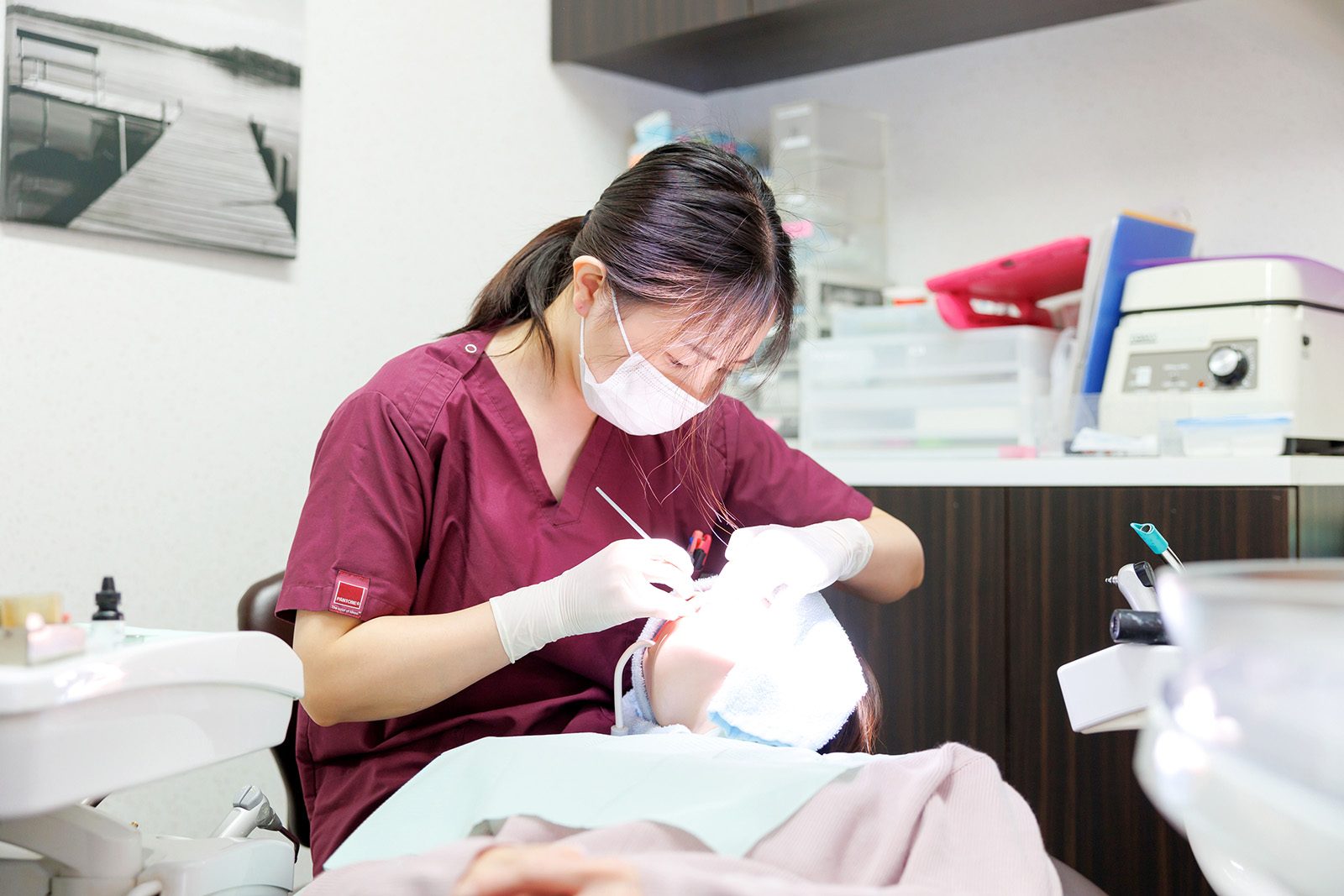
"I often hear about tartar, but I don't really know what it is..." Many people may feel this way.
Tartar is closely linked to cavities and gum disease. In this article, we explain what tartar is, what happens if it is left, and how to keep it from building up.
What is tartar?
Tartar is plaque left on the tooth surface that has been hardened into a stone-like deposit by calcium and other minerals in saliva. Plaque is not food debris but a mass of bacteria. Plaque is said to begin hardening in about 2 days, and once it becomes tartar, it cannot be removed with a toothbrush.
There are two types of tartar
- Tartar above the gumline (supragingival calculus): whitish or yellowish. Forms easily on the backs of the lower front teeth and the outer side of the upper back teeth
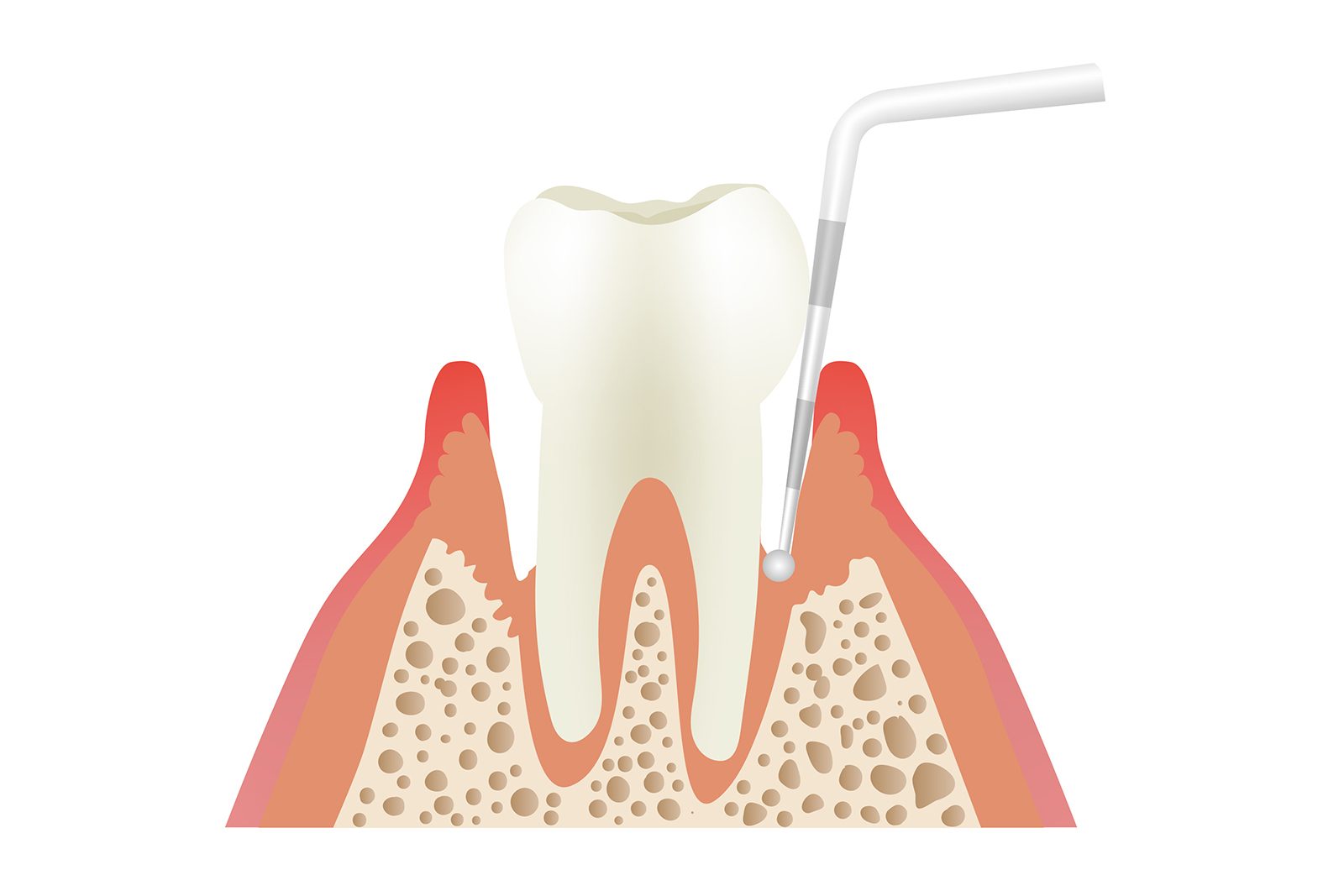
- Tartar below the gumline (subgingival calculus): darkish. Forms in the gap between tooth and gum (periodontal pocket) and cannot be seen yourself
What happens if tartar is left?
The problem is not so much the tartar itself, but that its rough surface creates an environment where bacteria attach and multiply easily.
- It causes bad breath
- The gums swell or bleed when brushing
- Gum disease progresses and the bone supporting the teeth gradually breaks down
- Eventually, teeth may become wobbly and fall out
Gum disease often progresses with almost no symptoms such as pain. It is not unusual for it to be advanced by the time you notice.
Who and where tartar forms easily
How easily tartar forms varies from person to person. It depends on the amount and composition of saliva, tooth alignment, brushing habits and more. Places near where saliva comes out (the backs of the lower front teeth and the outer side of the upper back teeth) are especially prone to tartar.
Places where teeth overlap, the edges of bridges and crowns, and around orthodontic appliances also tend to keep plaque and form tartar. In people who smoke, tartar tends to become stained and gum disease tends to progress more easily.
Tartar and gum disease
Tartar below the gumline becomes a home for bacteria in the periodontal pocket and prolongs gum inflammation. As the inflammation continues, the pocket deepens, and more tartar and bacteria collect, creating a vicious cycle.
Gum disease treatment begins by removing tartar and plaque to calm the gum inflammation. Removing tartar is the basis of both treating and preventing gum disease.
For people who say "But I brush properly..."
It is said that however carefully you brush, it is difficult to remove all plaque. Between the teeth and at the border between teeth and gums in particular, plaque is easily missed. Plaque gradually collects there and eventually turns into tartar.
How tartar is removed at a dental clinic
Tartar is removed at a dental clinic with special instruments (ultrasonic instruments and hand instruments). Tartar above the gumline can often be removed in one visit, but tartar under the gums, or large amounts, is removed over several visits. After removal, the tooth surfaces are polished to make it harder for plaque to stick.

Two things to keep tartar from building up
- Daily self-care: brush the border between teeth and gums gently / use floss or interdental brushes / brush carefully before bed
- Regular professional cleaning: about once every 3 to 6 months as a guide, depending on the condition of your mouth
A dental clinic is not a place to go once something hurts, but a place to visit to prevent problems. There is no need to push yourself too hard. Let's take care of your teeth together, within what you can manage.
Summary
Tartar is hardened plaque and cannot be removed with a toothbrush. If left, it causes bad breath and gum disease. Keep tartar from building up with daily care and regular professional cleaning. If you have not been to a dental clinic for a while, start with a check-up and cleaning.
ESCA Dental & Orthodontic Clinic is in the ESCA underground shopping mall, a 1-minute walk from the Shinkansen exit of JR Nagoya Station. Appointments by phone (+81-52-452-1255), online booking (Japanese) or LINE.
Main risks and side effects
- After tartar removal, the teeth may be sensitive for a while
- As gum swelling goes down, the gaps between teeth may seem more noticeable
- If gum inflammation is strong, bleeding may occur during or after the procedure
Frequently asked questions
Q. Does tartar removal hurt?
In most cases there is no major pain. Where gum inflammation is strong, or when removing tartar under the gums, you may feel sensitivity or pain, so local anesthesia is used if needed.
Q. Is tartar removal covered by insurance?
Tartar removal performed as part of gum disease examination and treatment is covered by Japanese public health insurance.
Q. How often should I have tartar removed?
About once every 3 to 6 months is a guide. For people who build up tartar easily or are being treated for gum disease, we may recommend a shorter interval.
Related pages
Medical review
This article was reviewed by Katsuaki Takeuchi, DDS (Director; Board-certified oral surgeon, Japanese Society of Oral and Maxillofacial Surgeons), ESCA Dental & Orthodontic Clinic. It provides general information; please consult a dentist about your own condition.
Appointments and questions
Mon–Fri 10:00–13:00 / 14:30–19:30 · Sat & Sun 10:00–13:00 / 14:00–18:00 (open every other Sunday) · Closed on national holidays. Our staff mainly speak Japanese.