
How to Choose and Use Interdental Brushes: Size, Shape, Material
Published: 2026-04-14 · Updated: 2026-11-22 · Medically reviewed by Katsuaki Takeuchi, DDS (Director; Board-certified oral surgeon, Japanese Society of Oral and Maxillofacial Surgeons)
What you will learn
- Why interdental brushes are needed
- How to choose size, shape and material
- How to use them correctly, and what bleeding means
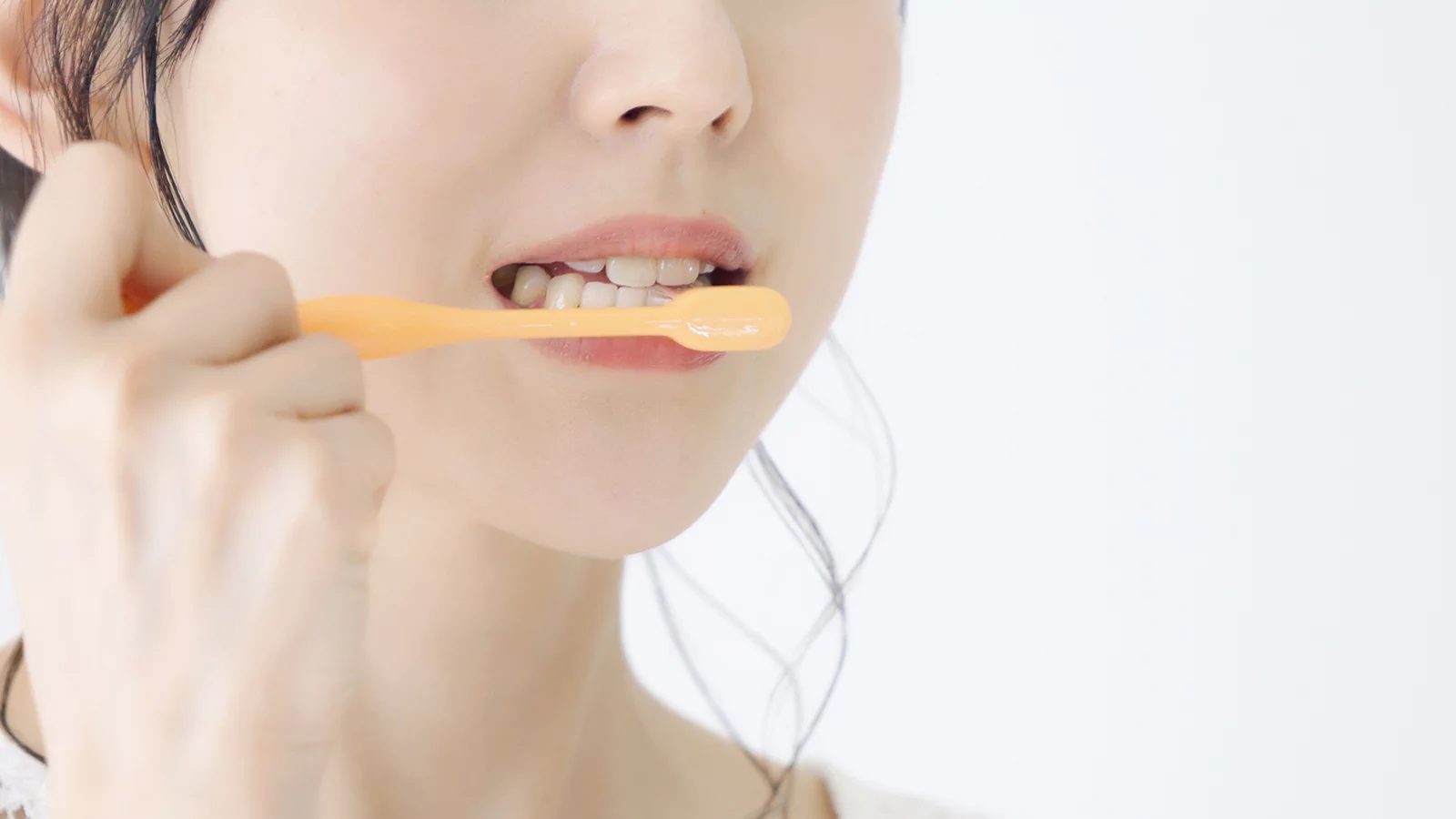
You brush thoroughly every day, but keep getting tooth decay or swollen gums. When that happens, care between the teeth is worth reviewing.
A toothbrush alone cannot fully remove debris between the teeth. That is where interdental brushes help. In this article, we introduce how to choose and use interdental brushes from a dental hygienist's point of view.
Why are interdental brushes needed?
When brushing with a toothbrush alone, it is said that only about half the plaque between the teeth is removed. The spaces between teeth are where decay and gum disease easily start. Adding interdental brushes or floss to your daily care greatly reduces missed spots.
- People with gaps between their teeth
- People whose gums have started to recede
- People with bridges or crowns
- People with orthodontic appliances
- People who have been told they have gum disease
Interdental brushes are especially helpful for these people.
How to choose an interdental brush
1. Size (the most important point)
Interdental brushes come in sizes such as SSSS, SSS, SS, S, M and L. Too small for the gap and debris is hard to remove; too large and it damages the gums.
The ideal is a size that has slight resistance but slides in without forcing. Gap sizes differ by location, so you may use different sizes for front and back teeth.
If you are new to them, having the size checked at a dental clinic is the surest way. At our clinic, we also suggest sizes to suit your mouth.
2. Shape (I-shaped and L-shaped)
- I-shaped: straight. Easy to use on front teeth
- L-shaped: bent at the tip. Easy to use on back teeth
Back teeth are hard to see and hard to reach, so many people find the L-shaped type easier to handle.
3. Material (rubber type and wire type)
- Rubber type: soft and less likely to damage the gums. For beginners
- Wire type: removes even fine debris easily
We also recommend getting used to them with the rubber type first, then switching to the wire type if there are no problems.

How to use an interdental brush correctly
- Insert it slowly while looking in the mirror
- Do not force it in; adjust the angle so it does not hit the gums
- Move it back and forth 2–3 times along the gap between the teeth
- Change the angle slightly so it also touches the surface of the neighboring tooth
- After use, rinse it well under running water and let it dry
Using too much force can damage the gums. For places that are hard to get into, switch to one size smaller or use floss. When the bristles splay or the wire bends, it is time to replace it.
Is bleeding OK?
Many people feel uneasy if they bleed when they start using interdental brushes. In most cases, the cause is gum inflammation (the start of gum disease). With continued correct care, the inflammation usually settles and the bleeding gradually decreases.
However, if the bleeding continues for a long time, there is strong pain, or the gums are swollen, gum disease may have progressed. Have it checked at a dental clinic soon.
How often and when to use them
Using an interdental brush once a day is a guide. Before bed is especially recommended. Saliva decreases during sleep and bacteria multiply easily, so it is important to remove debris between the teeth before bed.
Choosing between interdental brushes and dental floss
- Interdental brushes: for wider gaps (where gums have receded, under bridges and so on)
- Dental floss: for narrow gaps (between the teeth of younger people with healthy gums and so on)
The mouth has a mix of wide and narrow gaps. Ideally, combine interdental brushes and floss according to the location.

Summary: care between the teeth protects your future teeth
Interdental brushes are a daily care tool that helps prevent tooth decay and gum disease. What matters is choosing a size that suits your mouth and using it correctly. If you are not sure which size is right or cannot get it in well, please feel free to ask at your regular checkup.
ESCA Dental & Orthodontic Clinic is in the ESCA underground shopping mall, a 1-minute walk from the Shinkansen exit of JR Nagoya Station. Appointments by phone (+81-52-452-1255), online booking (Japanese) or LINE.
Main risks and side effects
- Forcing in an interdental brush that is too large can damage the gums or make them recede
- When you first start, the gums may bleed due to inflammation. If it continues for a long time, gum disease may have progressed, so please see a dentist
Frequently asked questions
Q. Will interdental brushes widen the gaps between my teeth?
If you use the right size correctly, there is little concern that the gaps will widen. As gum swelling goes down, the gaps may seem more noticeable. Avoid forcing in a size that is too large.
Q. How many times can I use an interdental brush?
If you wash and dry it after use, it can be used repeatedly. Replace it when the bristles splay or the wire bends. About a week is a guide.
Q. Should I use interdental brushes or floss?
It depends on the size of the gaps. Interdental brushes suit wide gaps, and floss suits narrow ones. We will make suggestions to suit your mouth.
Related pages
Medical review
This article was reviewed by Katsuaki Takeuchi, DDS (Director; Board-certified oral surgeon, Japanese Society of Oral and Maxillofacial Surgeons), ESCA Dental & Orthodontic Clinic. It provides general information; please consult a dentist about your own condition.
Appointments and questions
Mon–Fri 10:00–13:00 / 14:30–19:30 · Sat & Sun 10:00–13:00 / 14:00–18:00 (open every other Sunday) · Closed on national holidays. Our staff mainly speak Japanese.