
Secondary Decay: Cavities Under Fillings and How to Prevent Them
Published: 2025-05-08 · Updated: 2026-11-22 · Medically reviewed by Katsuaki Takeuchi, DDS (Director; Board-certified oral surgeon, Japanese Society of Oral and Maxillofacial Surgeons)
What you will learn
- Causes of secondary decay (cavities under fillings)
- Why it rarely causes symptoms and is often found on X-rays
- Brushing, check-ups and choice of materials to keep it from recurring
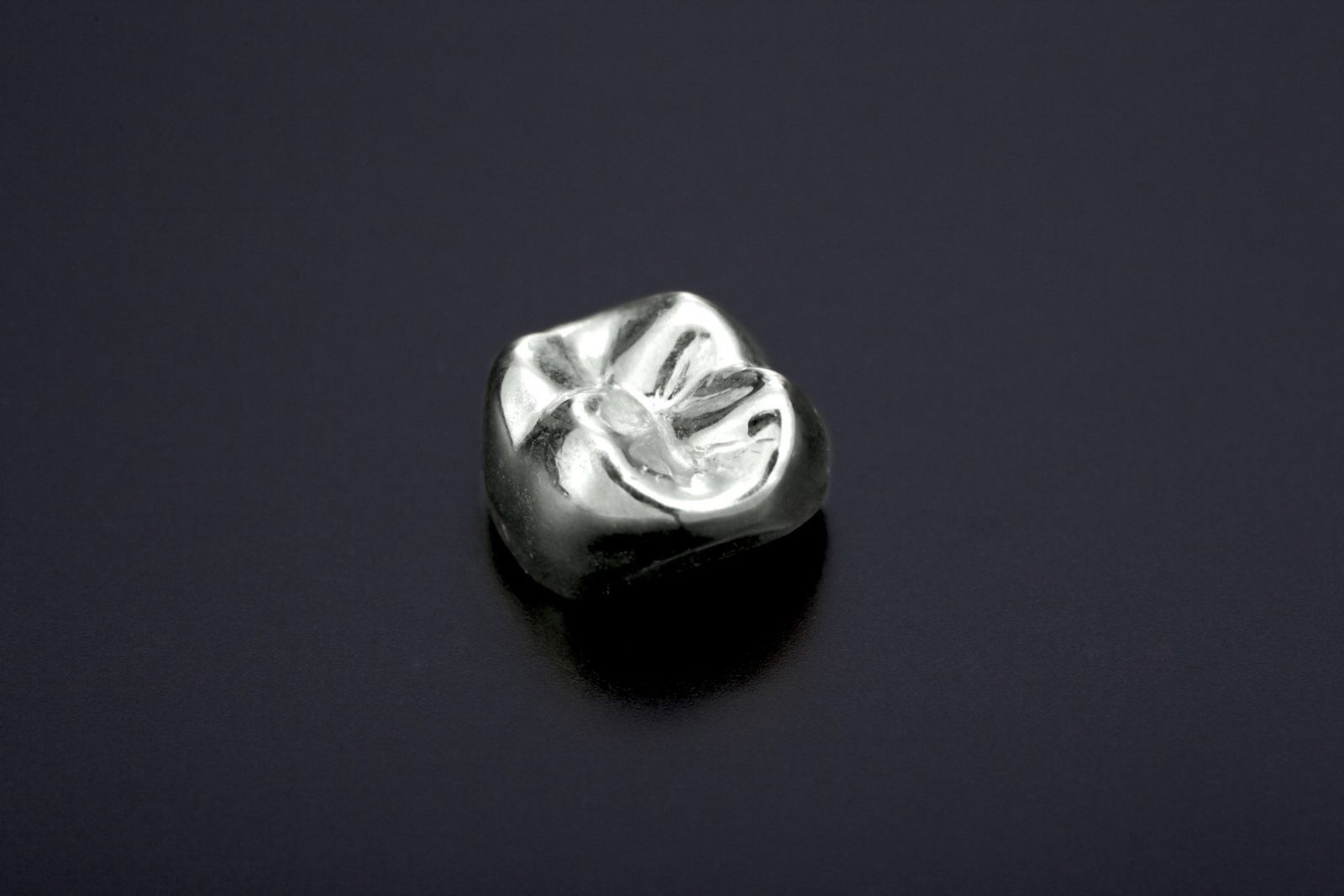
Have you ever had a tooth that was treated for a cavity start hurting again, or been told there is decay under a filling?
This is called secondary decay (secondary caries). To avoid repeating cavity treatment as much as possible, it helps to know why secondary decay occurs and how to prevent it.
What is secondary decay?
Secondary decay is when cavity-causing bacteria get into the gap between a tooth and a filling or crown placed during cavity treatment, and the tooth develops decay again.
In cavity treatment, the decayed part is removed and the shape is restored with resin (white plastic) or a filling called an inlay. The filling itself does not decay, but the border between the filling and the tooth, and your own tooth under the filling, can.
Causes of secondary decay
Wear of fillings and bonding cement
Fillings and crowns receive biting force at every meal and are exposed to hot and cold foods. Over long use, the filling itself and the cement that bonds it to the tooth gradually deteriorate, and invisible gaps or steps can form. Plaque collects there and cavity-causing bacteria get in.
Unchanged brushing habits
A tooth that decayed because brushing did not reach it well will tend to keep plaque in the same place unless your brushing changes. The border between filling and tooth easily forms a step where plaque collects. Don't assume a treated tooth is safe; treated teeth in particular need careful care.
Bite and grinding
Strong grinding or clenching places heavy force on fillings, which can create gaps or cause chipping. If you are concerned about grinding during sleep, a mouthguard can help protect your teeth.
Secondary decay is hard to notice
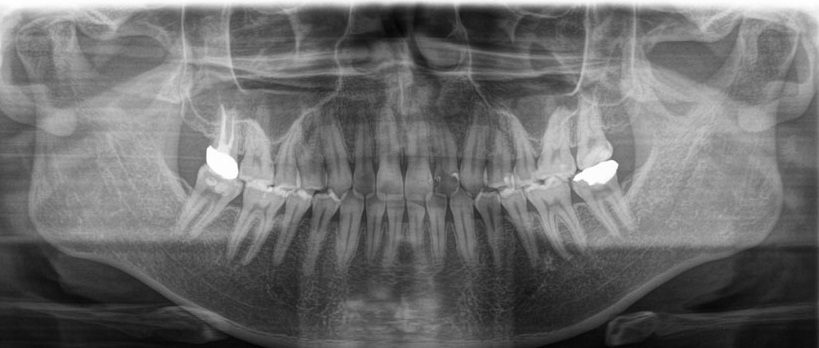
Because secondary decay progresses under fillings, it is hard to see from outside and may already be large by the time you notice. Teeth whose nerve has been removed cannot feel pain, so detection tends to be even later.
Decay under a filling may only be found by taking an X-ray. It is important to take new X-rays as needed at regular check-ups. If you notice signs such as darkening around a filling, sensitivity to cold, floss catching or fraying, a loose filling, or food getting caught more easily, please consult us early.
Preventing secondary decay
First, careful daily brushing. Place the bristles firmly on the border between filling and tooth and move them in small strokes. If there is a filling between teeth, floss or interdental brushes are essential. Fluoride toothpaste is also recommended.
Next, regular check-ups. Have a professional cleaning at a dental clinic every 3 to 6 months, and have your fillings and any new decay checked. Finding decay while it is small means less of the tooth needs to be drilled.
Then, the choice of filling material. Ceramic has a smooth surface that resists plaque and fits the tooth closely, so it is said to be less prone to gaps. It costs more than the metal or resin covered by Japanese public health insurance (it is self-paid), but it is one option for people who want to reduce repeated replacements. Which material suits you depends on your teeth and bite, so choose after hearing the advantages and drawbacks.
Summary
Secondary decay occurs through gaps around fillings and from unchanged brushing habits. To avoid repeated treatment that ends in nerve removal or tooth loss, keep up daily care and regular check-ups. At our clinic, you can come just for a cavity check or a professional cleaning. Please feel free to consult us.
ESCA Dental & Orthodontic Clinic is in the ESCA underground shopping mall, a 1-minute walk from the Shinkansen exit of JR Nagoya Station. Appointments by phone (+81-52-452-1255), online booking (Japanese) or LINE.
Main risks and side effects
- After treatment, the tooth may be sensitive to cold for a while
- Over time, fillings and crowns may develop gaps, chip or come off, and may need replacing
- If decay is deep, nerve treatment may be needed
- Ceramic may chip or crack under strong force
Fillings and crowns made of ceramic, gold and similar materials are self-paid (not covered by insurance). Please see our fee table for standard costs.
Frequently asked questions
Q. Can a tooth with a filling still get a cavity?
The filling itself does not decay, but the border between the filling and the tooth, and the tooth underneath, can. Treated teeth in particular need careful care.
Q. Can I notice secondary decay myself?
Because it progresses under the filling, it is often hard to notice. It may be found on X-rays, so have it checked at regular check-ups.
Q. If I choose ceramic, will I avoid secondary decay?
Ceramic is said to be less prone to gaps and plaque, but it does not mean decay cannot occur. Daily brushing and regular check-ups remain essential.
Related pages
Medical review
This article was reviewed by Katsuaki Takeuchi, DDS (Director; Board-certified oral surgeon, Japanese Society of Oral and Maxillofacial Surgeons), ESCA Dental & Orthodontic Clinic. It provides general information; please consult a dentist about your own condition.
Appointments and questions
Mon–Fri 10:00–13:00 / 14:30–19:30 · Sat & Sun 10:00–13:00 / 14:00–18:00 (open every other Sunday) · Closed on national holidays. Our staff mainly speak Japanese.