
What Is IPR in Orthodontics? Amount, Discomfort, Pros and Cons
Published: 2025-06-12 · Updated: 2026-11-22 · Medically reviewed by Katsuaki Takeuchi, DDS (Director; Board-certified oral surgeon, Japanese Society of Oral and Maxillofacial Surgeons)
What you will learn
- What IPR is, and why teeth are reshaped in orthodontics
- A guide to how much is removed, how it is done and whether it hurts
- Advantages and drawbacks of IPR, such as improving black triangles
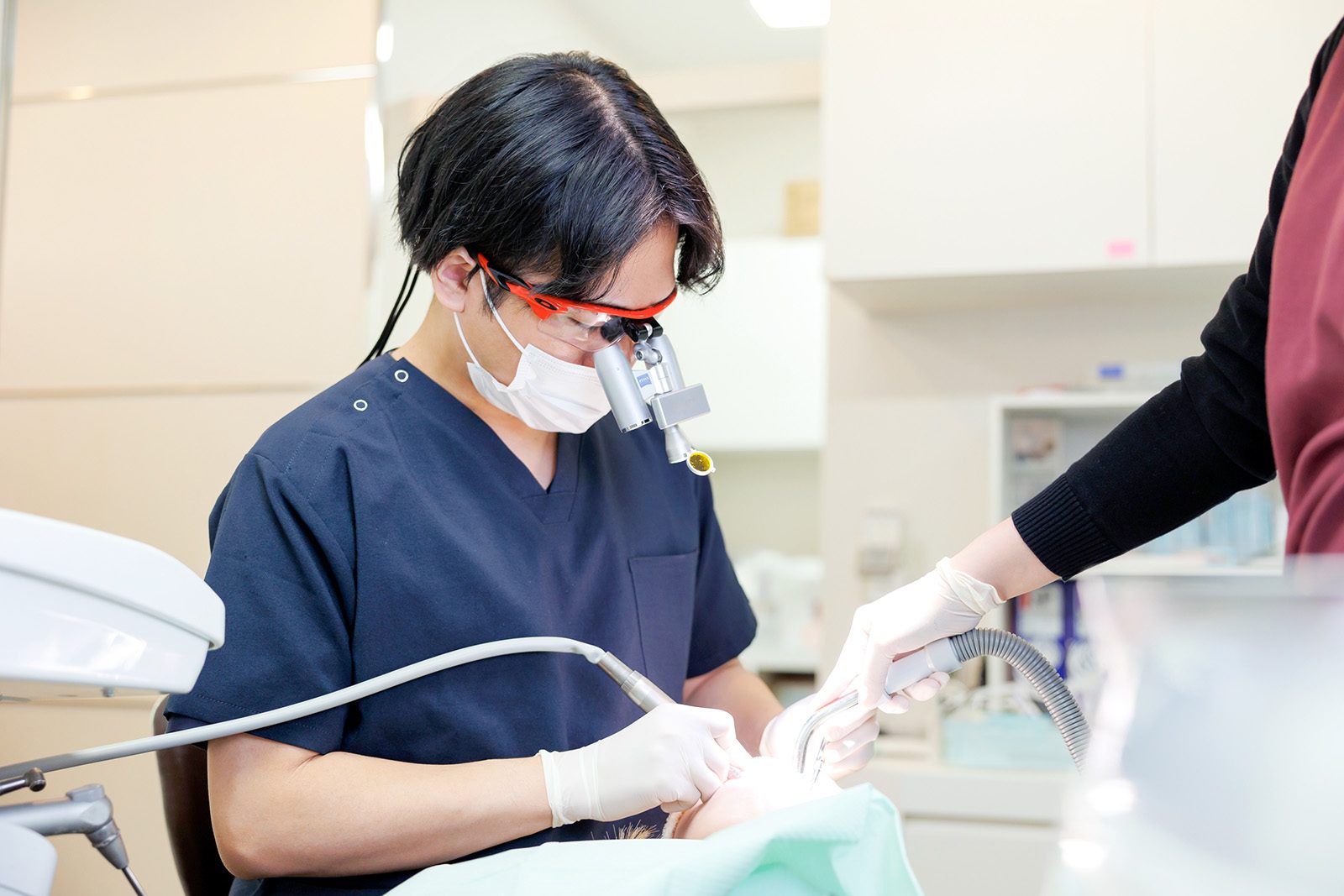
A common question at orthodontic consultations is "Will teeth be extracted?" People with severe crowding or a small jaw may need extractions because there is not enough space to line up the teeth, but not everyone needs extractions.
When there is not quite enough space, but not so little that extraction is needed, a method called IPR may be used. You may be surprised to hear that teeth are reshaped, but it is not deep drilling like cavity treatment. In this article, we explain how IPR works and its advantages and drawbacks.
What is IPR?
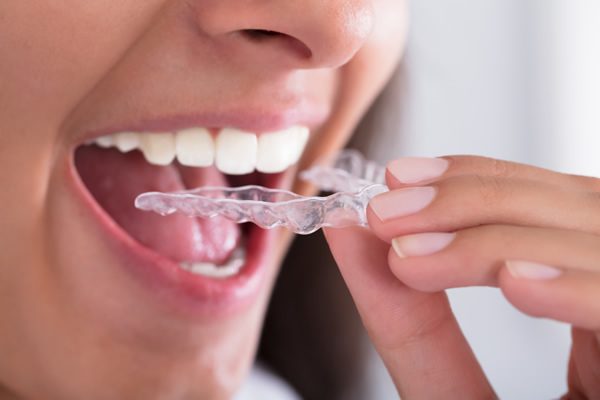
IPR stands for interproximal reduction, a procedure that removes a tiny amount from the surfaces where neighboring teeth touch to create space. It is also called disking, stripping or slicing. It is often used with clear aligners, and it is also common with wire braces.
How much is removed?
Only the enamel covering the tooth surface is reshaped. It is removed little by little in units of 0.1 mm, with about 0.2 to 0.5 mm per contact as a guide. The enamel of the front teeth is said to be about 1 mm thick on the surfaces between teeth, and IPR stays within that range. The space created at each contact is small, but by removing a little at several contacts, space can be made to line up the teeth.
How is it done? Does it hurt?
A file-like instrument or a very thin strip of abrasive (strips) is inserted between the teeth and slid to reshape them. Only enamel, far from the nerve, is removed, so in most cases no anesthesia is needed. When an instrument is used, you may feel strong vibration. If the gums are inflamed, they tend to bleed during the procedure, so it is also important to get the gums healthy before orthodontics.
Other purposes of IPR
Reducing black triangles
The gum between teeth usually forms a neat triangle, but in people who had severe crowding or whose gums have receded, a dark triangular gap (black triangle) may appear at the base of the teeth after they are aligned. Reshaping the teeth with IPR to close the gap can make it less noticeable in some cases.
Balancing tooth sizes
When the widths of left and right teeth differ, or the sizes of upper and lower teeth are out of balance, IPR may be used to reduce the width slightly and create a well-coordinated alignment.
Advantages and drawbacks of IPR
- Advantage: space can sometimes be created without extraction
- Advantage: black triangles can be reduced and tooth sizes balanced
- Drawback: even a tiny amount of healthy tooth is removed
- Drawback: the space it can create is limited, and extraction is needed for severe crowding
The reshaped surfaces are smoothed, and fluoride is applied if needed. Some people feel temporary sensitivity to cold after the procedure, but it usually settles. The reshaped surfaces are between the teeth, where a toothbrush has trouble reaching, so continuing to use floss helps prevent cavities. Depending on tooth size, enamel thickness and gum condition, IPR may not be suitable.
Summary
IPR creates space to line up the teeth by removing a tiny amount of enamel between them. It has advantages such as sometimes avoiding extraction and reducing black triangles, but the space it can create is limited. We explain whether IPR suits you based on examination results, so please feel free to consult us.
ESCA Dental & Orthodontic Clinic is in the ESCA underground shopping mall, a 1-minute walk from the Shinkansen exit of JR Nagoya Station. Appointments by phone (+81-52-452-1255), online booking (Japanese) or LINE.
Main risks and side effects
- During orthodontic treatment, you may feel pain or discomfort as teeth move
- If brushing is insufficient, the risk of cavities and gum disease increases
- Tooth roots may shorten (root resorption) or gums may recede. After treatment, teeth may move back if a retainer is not used
- After IPR, teeth may be temporarily sensitive to cold. The reshaped surfaces need careful care to prevent cavities
Orthodontic treatment is self-paid (not covered by insurance). Costs vary with the appliance and treatment length, so we explain them after the detailed examination (see our fee table for standard costs).
Frequently asked questions
Q. Does IPR weaken teeth?
Only a tiny amount within the enamel is removed. The reshaped surfaces are smoothed and cared for with fluoride and similar. It is important to keep up careful brushing and flossing.
Q. Is anesthesia used for IPR?
Only enamel, far from the nerve, is removed, so in most cases no anesthesia is needed.
Q. Will IPR let me avoid extraction?
If only a little space is lacking, extraction may be avoided. If a lot of space is lacking, extraction may be needed.
Medical review
This article was reviewed by Katsuaki Takeuchi, DDS (Director; Board-certified oral surgeon, Japanese Society of Oral and Maxillofacial Surgeons), ESCA Dental & Orthodontic Clinic. It provides general information; please consult a dentist about your own condition.
Appointments and questions
Mon–Fri 10:00–13:00 / 14:30–19:30 · Sat & Sun 10:00–13:00 / 14:00–18:00 (open every other Sunday) · Closed on national holidays. Our staff mainly speak Japanese.