
Gingivitis vs. Periodontitis: Symptoms, Causes and Prevention
Published: 2025-08-22 · Updated: 2026-11-22 · Medically reviewed by Katsuaki Takeuchi, DDS (Director; Board-certified oral surgeon, Japanese Society of Oral and Maxillofacial Surgeons)
What you will learn
- The difference between gingivitis and periodontitis (how far the inflammation has spread)
- How to tell healthy gums from gums with gingivitis
- Daily care and regular check-ups to treat it while it is still gingivitis
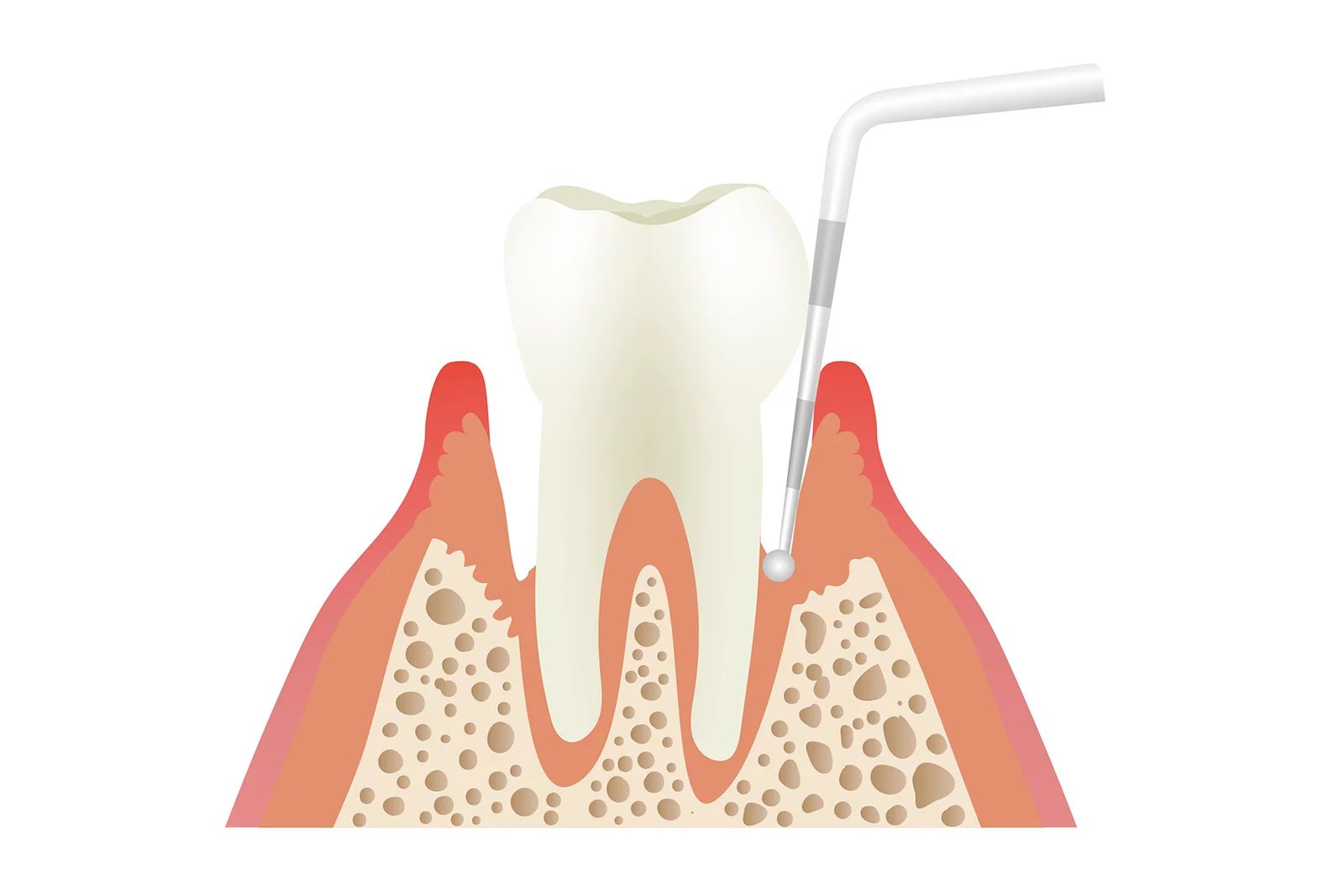
You have probably heard the words gingivitis and periodontitis, but do you know the difference? Both are forms of gum disease, but they differ in how far the inflammation has spread.
At the gingivitis stage, daily care and professional cleaning at a dental clinic can be expected to return the gums to health. In this article, we explain the difference between gingivitis and periodontitis, how to tell them apart, their causes and how to prevent them.
What is gingivitis? Inflammation only in the gums
Gingivitis is a condition in which only the gums (gingiva) are inflamed. The inflammation has not yet spread to the bone supporting the teeth or the tissue connecting tooth and bone (periodontal ligament), and the bone has not broken down.
Inflamed gums turn red and swollen, and the gum between teeth bulges into a rounded shape. Another feature is that the fine, orange-peel-like dimpling seen on the surface of healthy gums (stippling) disappears, giving a smooth, shiny look. The gums may bleed when brushing, but it hardly hurts, so this stage is easily overlooked.
How to tell healthy gums from gums with gingivitis
- Healthy gums: pale pink, firm and resilient, do not bleed when brushing
- Gums with gingivitis: reddish, swollen and puffy, bleed when brushing
Look at your gums in a mirror and check whether the gum between teeth is a firm triangle or a rounded bulge. If your gums bleed every time you brush, it may be a sign of gingivitis.
What is periodontitis? Inflammation that has spread to the bone
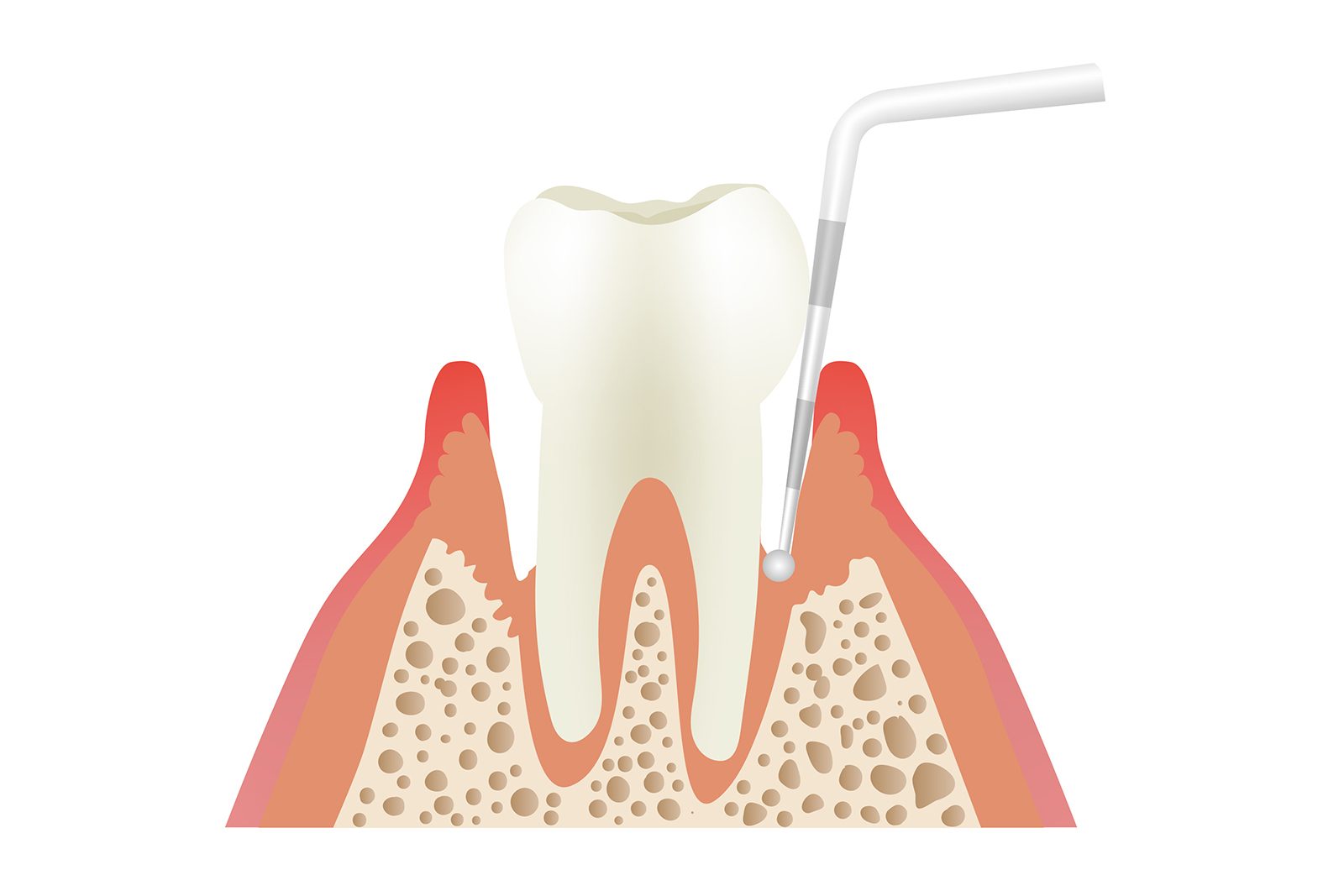
If gingivitis is left untreated, the inflammation spreads deeper into the gums and destroys the periodontal ligament and the bone supporting the teeth (alveolar bone). This is periodontitis. The gap between tooth and gum (periodontal pocket) deepens, plaque and tartar collect there, and the inflammation progresses further in a vicious cycle.
As periodontitis progresses, bad breath becomes stronger, pus may come from the gums, and teeth may become wobbly and shift. Bone that has broken down does not, as a rule, return, so it is important to notice early and stop the progression.
Causes of gingivitis and how it progresses to periodontitis
The main cause of gingivitis is plaque. Plaque is a mass of bacteria, and when it collects at the border between teeth and gums, substances released by the bacteria inflame the gums. The body gathers white blood cells and other defenses to fight the bacteria, but if plaque remains, the inflammation continues and gradually spreads deeper.
The following can also make gum inflammation more likely and harder to heal.
- Grinding and clenching
- Ill-fitting crowns or fillings
- Eating habits, such as how you have sweets
- Smoking
- Stress and lack of sleep
- Illnesses such as diabetes and osteoporosis, and hormonal changes
- Medicines taken over a long period
How diseases of the mouth affect the whole body
Gum disease bacteria and substances produced during inflammation can be carried throughout the body in the bloodstream. For this reason, gum disease has been linked with aspiration pneumonia, diseases of the heart and blood vessels (endocarditis and arterial disease), diabetes, rheumatoid arthritis, and premature birth and low birth weight. Conversely, lifestyle factors such as smoking, obesity, lack of exercise, heavy drinking and high blood pressure also worsen gum disease. The health of the mouth and the health of the whole body affect each other.
Care to treat it while it is still gingivitis
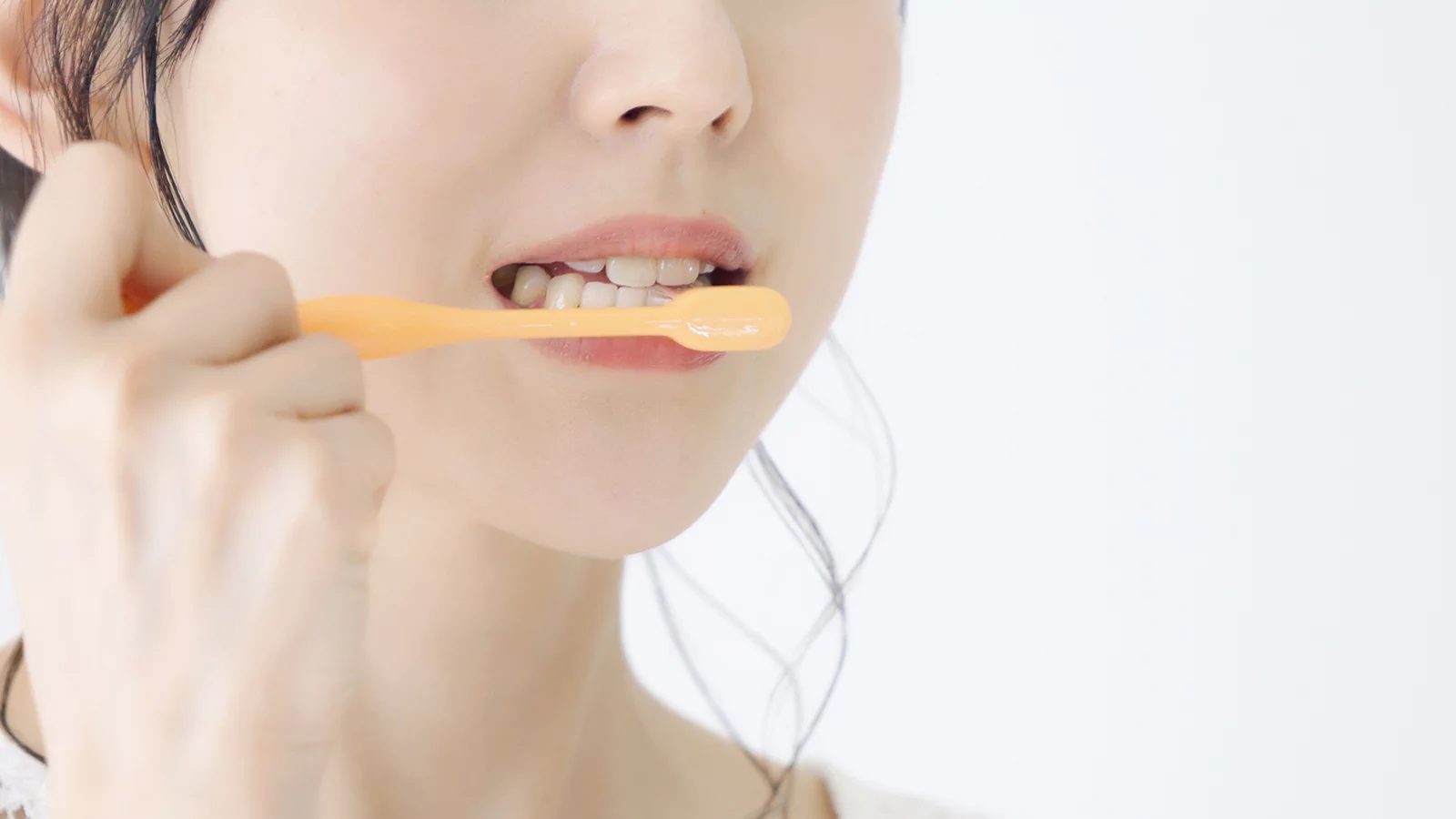
Gingivitis can be expected to improve by removing plaque properly. Place the toothbrush lightly on the border between teeth and gums and brush with small strokes. A toothbrush alone leaves plaque between teeth, so using floss or interdental brushes is also important.
Also have regular check-ups at a dental clinic. Having tartar that brushing cannot remove taken off, and learning a brushing method that suits you, makes it easier to prevent gingivitis from progressing to periodontitis. Reviewing your lifestyle also helps protect gum health.
Summary
Gingivitis is inflammation only in the gums, while periodontitis is inflammation that has spread to the bone supporting the teeth. If you notice and care for it at the gingivitis stage, the gums can be expected to return to health. If your gums bleed when brushing or you have not been to a dental clinic for a while, please come for a check-up.
ESCA Dental & Orthodontic Clinic is in the ESCA underground shopping mall, a 1-minute walk from the Shinkansen exit of JR Nagoya Station. Appointments by phone (+81-52-452-1255), online booking (Japanese) or LINE.
Frequently asked questions
Q. Can I treat gingivitis myself?
At the gingivitis stage, removing plaque with careful brushing can be expected to improve it. However, tartar cannot be removed by brushing, so please also have a professional cleaning at a dental clinic.
Q. Once I have periodontitis, can it no longer be treated?
Bone that has broken down does not, as a rule, return, but treatment and daily care can be expected to control the inflammation and stop its progression. It is important to start treatment early.
Q. How can I tell whether I have gingivitis or periodontitis?
They are hard to distinguish by appearance alone, so a dental clinic measures the depth of the periodontal pockets and checks the bone with X-rays.
Related pages
Medical review
This article was reviewed by Katsuaki Takeuchi, DDS (Director; Board-certified oral surgeon, Japanese Society of Oral and Maxillofacial Surgeons), ESCA Dental & Orthodontic Clinic. It provides general information; please consult a dentist about your own condition.
Appointments and questions
Mon–Fri 10:00–13:00 / 14:30–19:30 · Sat & Sun 10:00–13:00 / 14:00–18:00 (open every other Sunday) · Closed on national holidays. Our staff mainly speak Japanese.