
Gum Disease and General Health: Diabetes, Heart Disease and More
Published: 2025-09-25 · Updated: 2026-11-22 · Medically reviewed by Katsuaki Takeuchi, DDS (Director; Board-certified oral surgeon, Japanese Society of Oral and Maxillofacial Surgeons)
What you will learn
- How gum disease is involved in overall health
- Its links with diabetes, heart and brain blood vessel diseases, aspiration pneumonia and premature birth
- Habits to prevent gum disease and protect your health
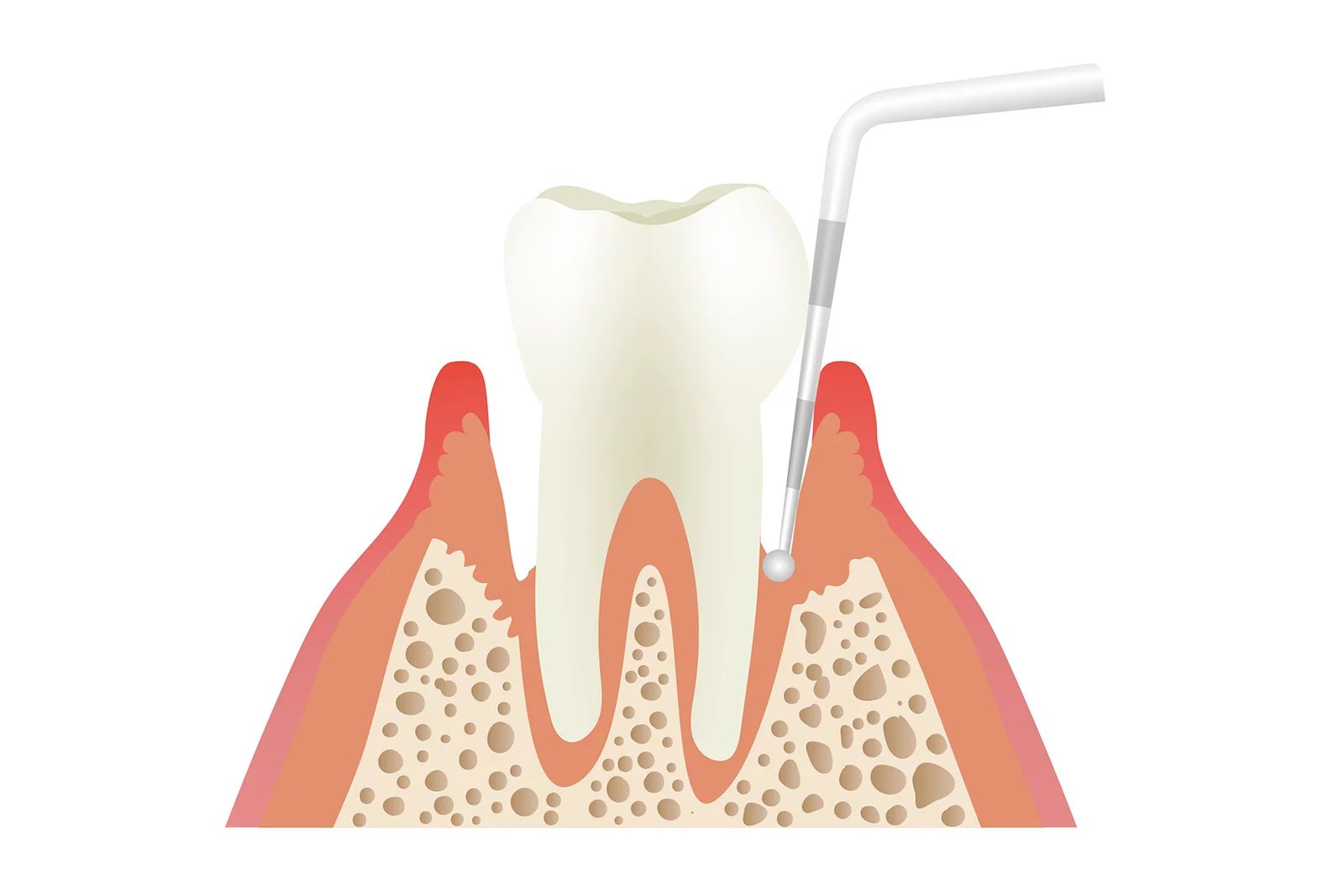
Gum disease (periodontal disease) is a condition in which the gums and the bone supporting the teeth (alveolar bone) become inflamed and gradually break down. In the early stages there are few symptoms, and it is often advanced by the time you notice, so in severe cases the teeth become wobbly and may fall out.
In recent years, it has also become clear that gum disease affects not only the mouth but the health of the whole body. In this article, we explain the links between gum disease and general health in plain terms.
What is gum disease? Main symptoms and causes
The main cause of gum disease is bacteria in plaque that collects between the teeth and gums. The bacteria inflame the gums, and if left, even the bone supporting the teeth gradually breaks down. Cavities can be treated by removing the decay and filling the tooth, but bone that has broken down from gum disease does not, as a rule, return.
Besides bacteria, when several factors overlap, such as lowered immunity, smoking, stress, grinding and illnesses like diabetes, gum disease progresses more easily.
- The gums are red and swollen
- The gums bleed when brushing
- You are concerned about bad breath
- The gum between teeth is soft and puffy
- Pus comes from the gums, or teeth feel wobbly
How gum disease affects the whole body
From gums inflamed by gum disease, gum disease bacteria and substances the body produces during inflammation (inflammatory substances) can enter the bloodstream. These are thought to travel around the body in the blood, causing inflammation in various places and worsening other diseases.
In other words, controlling gum inflammation not only protects the health of your mouth but also helps protect the health of your whole body.
Diseases closely linked with gum disease
Diabetes
Gum disease and diabetes are said to worsen each other. Substances produced by gum inflammation can weaken the action of insulin, which lowers blood sugar, and worsen blood sugar control. Conversely, when blood sugar stays high because of diabetes, the body's resistance falls and gum inflammation becomes harder to heal. There are also reports that treating gum disease improved blood sugar.
Heart attack and stroke
Gum disease bacteria and inflammatory substances that enter blood vessels are thought to inflame the vessel walls and be one cause of progressing arteriosclerosis (hardening and narrowing of the arteries). As arteriosclerosis progresses, blood clots form more easily, and the risk of heart attack and stroke is said to rise.
Aspiration pneumonia
Aspiration pneumonia is pneumonia caused when saliva or food containing bacteria from the mouth enters the lungs through the windpipe. Older people, whose swallowing tends to weaken, need to be especially careful. Keeping the mouth clean and reducing the number of bacteria are thought to help prevent pneumonia.
Premature birth and low birth weight
There are reports that when a pregnant woman has gum disease, inflammatory substances affect the processes involved in contraction of the uterus, raising the risk of premature birth and of a baby born small (low birth weight). During pregnancy, hormonal changes make the gums swell more easily, so it is reassuring to have a dental check-up at a time when you feel well.
In addition, research is also under way on the links between gum disease and conditions such as dementia (Alzheimer's type) and rheumatoid arthritis.
Gum disease and changes in appearance
When the gums recede or the bone supporting the teeth shrinks because of gum disease, teeth may look longer and gaps may appear between them. If teeth are lost, the foundation supporting the mouth weakens and the way the muscles around the mouth are used changes, which can make the mouth area look sunken. Healthy gums are also important for keeping the look of your mouth.

Preventing gum disease to extend your "healthy life expectancy"
The basis of preventing gum disease is not letting plaque build up, through daily self-care. Brush the border between teeth and gums carefully with a toothbrush, and clean between the teeth with floss or interdental brushes.
However, plaque deep in the periodontal pockets and hardened tartar cannot be fully removed by brushing alone. It is important to have regular check-ups at a dental clinic, about once every 3 months as a guide, and have tartar removed and your teeth professionally cleaned. Reviewing lifestyle habits, such as quitting smoking, sleeping well and eating a balanced diet, also helps protect gum health.

Summary
Gum disease is not just a disease of the mouth; it is thought to be linked with diseases throughout the body, such as diabetes, heart and brain blood vessel diseases, pneumonia and premature birth. Keeping your mouth clean also helps protect the health of your whole body. If you have symptoms that concern you, such as swollen or bleeding gums, or have not been to a dental clinic for a while, please feel free to come for a check-up.
ESCA Dental & Orthodontic Clinic is in the ESCA underground shopping mall, a 1-minute walk from the Shinkansen exit of JR Nagoya Station. Appointments by phone (+81-52-452-1255), online booking (Japanese) or LINE.
Frequently asked questions
Q. If I treat gum disease, will my diabetes improve too?
There are reports that blood sugar improved when gum inflammation settled with gum disease treatment. However, please continue diabetes treatment as directed by your physician.
Q. Can gum disease progress without pain?
Yes. Gum disease causes little pain in the early stages and often progresses without your noticing. Have your gums checked at regular check-ups.
Q. How often should I have check-ups?
About once every 3 to 6 months is a guide. For people with gum disease or who are prone to it, we often recommend about once every 3 months.
Related pages
Medical review
This article was reviewed by Katsuaki Takeuchi, DDS (Director; Board-certified oral surgeon, Japanese Society of Oral and Maxillofacial Surgeons), ESCA Dental & Orthodontic Clinic. It provides general information; please consult a dentist about your own condition.
Appointments and questions
Mon–Fri 10:00–13:00 / 14:30–19:30 · Sat & Sun 10:00–13:00 / 14:00–18:00 (open every other Sunday) · Closed on national holidays. Our staff mainly speak Japanese.