
Inferior Alveolar Nerve Injury: Numbness After Wisdom Tooth Removal
Published: 2025-09-19 · Updated: 2026-11-22 · Medically reviewed by Katsuaki Takeuchi, DDS (Director; Board-certified oral surgeon, Japanese Society of Oral and Maxillofacial Surgeons)
What you will learn
- Where the inferior alveolar nerve runs
- Treatments in which numbness can occur, and the main symptoms
- A guide to recovery time, and treatment and examinations for prevention
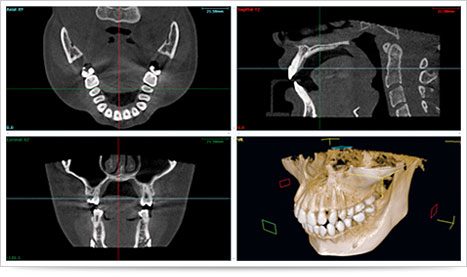
When having wisdom tooth extraction or implant treatment explained, you may have heard that "in rare cases, numbness of the lip or chin may occur." This is a nerve problem called inferior alveolar nerve injury (paralysis).
It is rare, but knowing what it is makes the treatment explanation easier to understand. In this article, we explain the symptoms and causes of inferior alveolar nerve injury, a guide to recovery, and examinations for prevention.
Where is the inferior alveolar nerve?
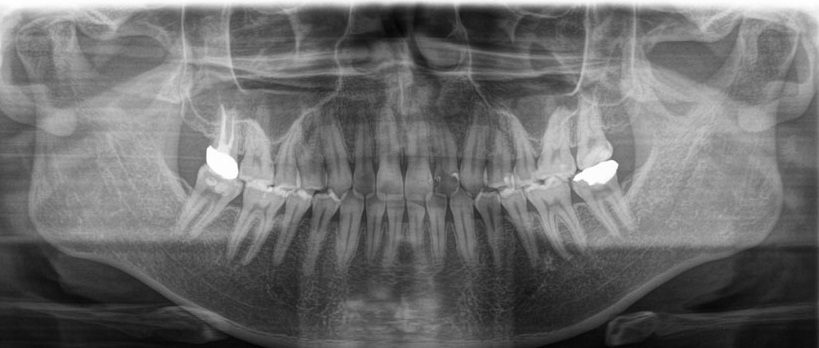
The inferior alveolar nerve is a large nerve that runs forward inside the lower jawbone, from around beneath the roots of the back teeth. Inside the lower jawbone is a canal (the mandibular canal) through which this nerve and blood vessels pass, and branches from it carry sensation from the lower teeth. Toward the front, it also exits the bone (as the mental nerve) and carries sensation from the lower lip and the skin of the chin.
This nerve carries sensation, so even if it is injured, the facial muscles do not stop moving. It mainly shows up as numbness or dulled sensation.
Main symptoms of inferior alveolar nerve injury
Inferior alveolar nerve injury is a condition in which this nerve is compressed or damaged for some reason, causing abnormal sensation. In most cases it appears on one side only.
- The lower lip or chin feels numb
- It feels as if the anesthetic has not worn off
- Sensation is dull when touched, or there is a tingling feeling
- You may not notice when a drink spills
- You tend to bite your lip when eating
After an extraction, it is normal for numbness to remain for a few hours until the anesthetic wears off. If numbness or dulled sensation continues after the anesthetic should have worn off, please contact the dental clinic early.
Why does it happen? Treatments that need care
When a procedure is done very close to the inferior alveolar nerve, the nerve may rarely be touched or compressed. Treatments needing particular care include the following.
Extraction of lower wisdom teeth
The root tips of lower wisdom teeth may lie very close to, or touch, the inferior alveolar nerve. The more deeply a wisdom tooth is buried sideways, the closer it tends to be to the nerve. Numbness may occur if the nerve is compressed during extraction or pressed by swelling afterward.
Implant surgery, root canal treatment and others
In surgery to place an implant in the lower back teeth, the depth and direction of drilling in the bone can bring it close to the nerve. Numbness may also rarely occur in root canal treatment if instruments or medicine reach beyond the root tip close to the nerve, or if inflammation at the root tip is severe.
Does numbness go away? A guide to recovery and treatment
If the injury is mild, for example the nerve was only compressed, it often recovers naturally over time. Many people improve gradually over several weeks to several months, but the speed of recovery varies, and in rare cases numbness may remain for a long time.
To support recovery, vitamins involved in nerve recovery (such as vitamin B12) or medicines that improve blood circulation may be used. We monitor progress while regularly checking the area and degree of numbness, and if it lasts a long time, we may refer you to a specialist medical institution (such as a university hospital oral surgery department or a pain clinic). Starting treatment early is said to help recovery, so if you notice numbness, please consult us early.
Examinations and explanations to prevent injury
To prevent inferior alveolar nerve injury, it is important to check the position of the tooth roots relative to the nerve carefully before treatment. At ESCA Dental & Orthodontic Clinic, in addition to X-rays, we take CT images as needed to check the distance to the nerve in three dimensions before planning treatment. If the tooth is very close to the nerve, we may consider removing only the crown of the tooth and leaving the root. Before treatment, we also explain the possible risks, so please ask us anything that concerns you.
Summary
Inferior alveolar nerve injury is a sensory problem involving the nerve of the lower jaw, which may rarely occur after wisdom tooth extraction, implant surgery and similar procedures. It usually recovers over time, but early action is important. If numbness continues after treatment, don't put up with it; please consult us.
ESCA Dental & Orthodontic Clinic is in the ESCA underground shopping mall, a 1-minute walk from the Shinkansen exit of JR Nagoya Station. Appointments by phone (+81-52-452-1255), online booking (Japanese) or LINE.
Main risks and side effects
- In extraction of lower wisdom teeth and implant surgery, the inferior alveolar nerve may rarely be injured, causing numbness of the lip, chin or gums. It usually recovers over time, but may rarely remain for a long time
- After extraction or implant surgery, pain, swelling, bleeding, bacterial infection and similar may occur
Frequently asked questions
Q. How likely is numbness to remain after extraction?
Numbness after extraction of a lower wisdom tooth is rare. However, the likelihood depends on the distance between the wisdom tooth and the nerve, so we check this with X-rays and CT before treatment and explain it to you.
Q. How long does numbness take to go away?
If the injury is mild, it often recovers gradually over several weeks to several months. The speed of recovery varies, and in rare cases it may remain for a long time.
Q. What should I do if I notice numbness?
If numbness continues after the anesthetic should have worn off, please contact the dental clinic early. It is important to start treatment, such as medicine, early.
Medical review
This article was reviewed by Katsuaki Takeuchi, DDS (Director; Board-certified oral surgeon, Japanese Society of Oral and Maxillofacial Surgeons), ESCA Dental & Orthodontic Clinic. It provides general information; please consult a dentist about your own condition.
Appointments and questions
Mon–Fri 10:00–13:00 / 14:30–19:30 · Sat & Sun 10:00–13:00 / 14:00–18:00 (open every other Sunday) · Closed on national holidays. Our staff mainly speak Japanese.