
Should Wisdom Teeth Be Removed? When to Extract and When to Keep
Published: 2025-08-25 · Updated: 2026-11-22 · Medically reviewed by Katsuaki Takeuchi, DDS (Director; Board-certified oral surgeon, Japanese Society of Oral and Maxillofacial Surgeons)
What you will learn
- When wisdom teeth should be removed and when they can be kept
- Examinations to decide on removal, and the steps of extraction
- A guide to pain and swelling after removal, and cautions during recovery
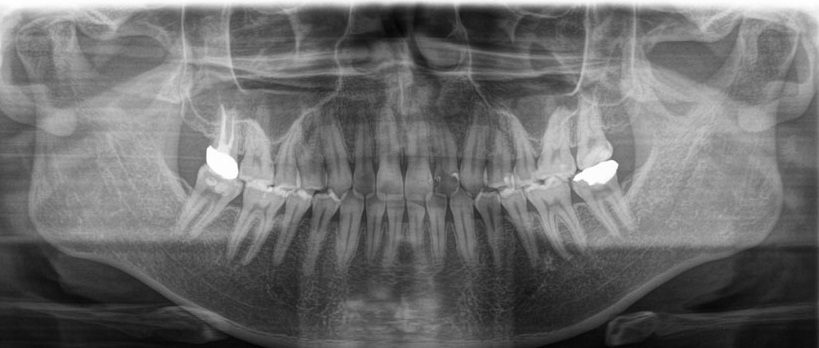
"Should I have my wisdom teeth removed?" This is one of the questions patients ask us most often. Depending on how they have grown in, there are cases where wisdom teeth are better removed and cases where they can be kept.
In this article, we explain what wisdom teeth are, how to decide whether to remove them, the steps of extraction, and how to take care after removal.
What are wisdom teeth?
Wisdom teeth are the permanent teeth that come in at the very back, eighth from the front. Their formal name is third molars. Most come in from the late teens to early twenties, but some people never get them.
The Japanese name, oyashirazu ("unknown to parents"), is said to come from the idea that they often appear after children have left home, so parents never see them come in. Modern people are said to have smaller jaws, so there is often not enough room for wisdom teeth, and they commonly stay buried in the bone, grow in sideways or at an angle, or only partly emerge.
When removal is advisable
If a wisdom tooth is harming, or is very likely to harm, other teeth or the gums, we often recommend extraction.
It has, or is prone to, cavities or gum disease
Because wisdom teeth are at the very back, the toothbrush has trouble reaching them and plaque is easily missed. When a wisdom tooth gets decay or gum disease, it can spread to the healthy tooth next to it (the second molar). Food also gets trapped easily, which can cause bad breath.
Repeated gum swelling and pain
Around a partly erupted wisdom tooth, plaque easily collects in the gap with the gum, and inflammation (pericoronitis) occurs easily. If swelling and pain keep recurring, or it becomes hard to open your mouth, it is often better to consider extraction.
It grows sideways or at an angle and pushes the neighboring tooth
A sideways wisdom tooth pushing the tooth in front can cause the root of that tooth to dissolve (root resorption) or the alignment of the teeth to be disturbed. Even if it is completely buried in the gum, care is needed if it is touching the tooth in front.
It affects the bite or orthodontic treatment
A wisdom tooth with no opposing tooth to bite against may over-erupt, injuring the gum on the opposite side or upsetting the balance of the bite. Depending on the orthodontic treatment plan, wisdom teeth may also be removed to create space for moving teeth or to help prevent relapse after treatment.
When removal is not necessary
- It has grown in straight and bites firmly with the opposing tooth
- There is no decay or gum disease and no inflammation of the surrounding gum
- It is easy to brush and kept clean
- It is completely buried in the bone and does not harm other teeth
In these cases, there is no need to force removal. If you lose other teeth in the future, it may be usable as an anchor for a bridge or for tooth transplantation. However, even if there is no problem now, the gums may recede or decay may develop with age, so it is important to keep an eye on it at regular check-ups.
Examinations to decide on removal, and the steps of extraction
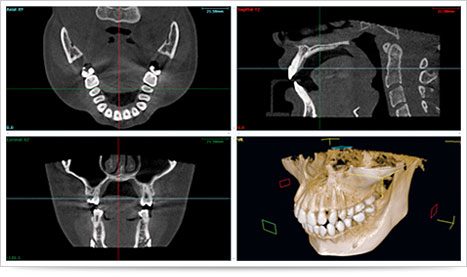
Whether to remove a wisdom tooth, and whether extraction will be difficult, is decided by checking its direction and root shape on X-rays. Lower wisdom teeth are often close to the large nerve running through the jawbone (inferior alveolar nerve), so if needed, we use CT to check their position relative to the nerve in three dimensions.
On the day of extraction, we start only after the local anesthetic has taken full effect. Upper wisdom teeth are often easier to remove because the bone is relatively soft. Lower wisdom teeth are in harder bone and anesthesia may take less well, so more anesthetic is used. If the tooth is buried in the gum, the gum may be opened or the tooth divided into smaller pieces before removal. The gum is stitched if needed, and you come back another day for disinfection and stitch removal.
Pain and swelling after removal, and how to take care
The anesthetic wears off a few hours after extraction. When pain starts, take the prescribed pain reliever as directed. Swelling is often strongest from the next day to the second or third day and settles in about a week to 10 days. Bruising may make the cheek look like a bruise, turning yellow before fading. The degree of pain and swelling varies with the condition of the tooth removed and with the individual.
- On the day of extraction, do not rinse vigorously (the blood clot may come out and slow healing)
- On the day of extraction and for a few days after, avoid alcohol, strenuous exercise and long baths
- Smoking slows wound healing, so avoid it as much as possible
- Take the prescribed antibiotics and pain relievers as directed
- Do not touch the extraction site with your tongue or fingers
If pain gets stronger after a few days, a dry socket, in which the bone of the extraction site is exposed, or a bacterial infection may have occurred. Don't put up with it; please contact us.
Summary
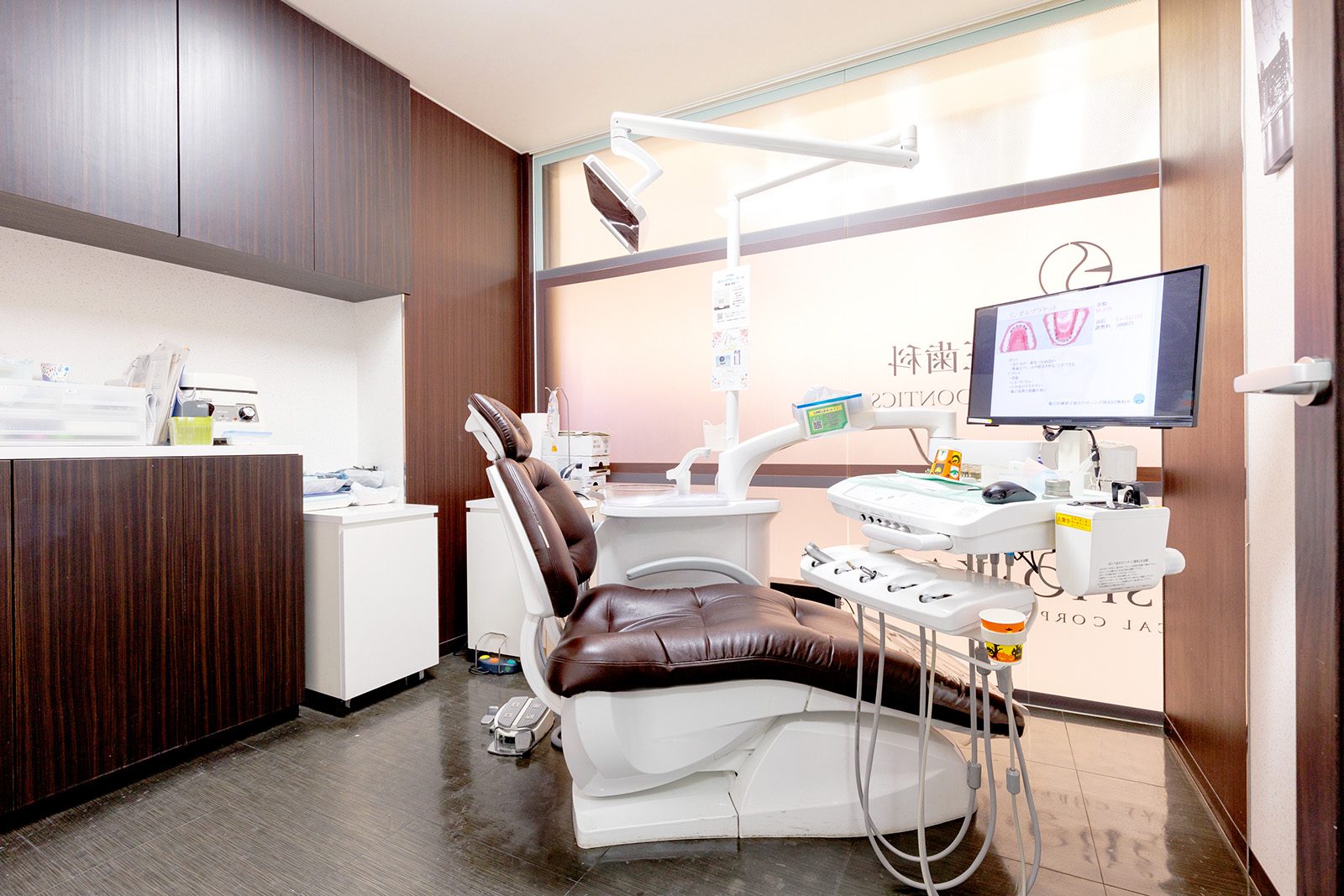
Depending on how they have grown in and the condition of the mouth, there are cases where wisdom teeth are better removed and cases where they can be kept. If you want to know the condition of your wisdom teeth, have them checked with an X-ray. At ESCA Dental & Orthodontic Clinic, based on examination results, we carefully explain to each patient whether extraction is needed, and if so, the steps and cautions. Even if you feel nervous, please feel free to consult us first.
ESCA Dental & Orthodontic Clinic is in the ESCA underground shopping mall, a 1-minute walk from the Shinkansen exit of JR Nagoya Station. Appointments by phone (+81-52-452-1255), online booking (Japanese) or LINE.
Main risks and side effects
- After extraction, pain, swelling, bleeding and bruising of the cheek may occur. A dry socket, in which the extraction site heals poorly, or bacterial infection may also occur
- In extraction of lower wisdom teeth, the nerve may rarely be injured, leaving numbness of the lip or chin. With upper wisdom teeth, an opening into the maxillary sinus (the air space beside the nose) may rarely occur
Frequently asked questions
Q. By what age should wisdom teeth be removed?
There is no set age, but younger people tend to have softer bone and faster wound healing. If you are unsure whether to have them removed, please consult us early.
Q. Do buried wisdom teeth need to be removed too?
If they do not harm other teeth, we may monitor them without removal. If they are pushing the tooth in front or inflammation keeps recurring, we may recommend extraction.
Q. Can wisdom teeth on both sides be removed at once?
It may be possible depending on the condition, but it would make chewing difficult on both sides afterward, so we often remove one side at a time. Please consult us to fit your work and schedule.
Related pages
Medical review
This article was reviewed by Katsuaki Takeuchi, DDS (Director; Board-certified oral surgeon, Japanese Society of Oral and Maxillofacial Surgeons), ESCA Dental & Orthodontic Clinic. It provides general information; please consult a dentist about your own condition.
Appointments and questions
Mon–Fri 10:00–13:00 / 14:30–19:30 · Sat & Sun 10:00–13:00 / 14:00–18:00 (open every other Sunday) · Closed on national holidays. Our staff mainly speak Japanese.